



December 3, 2025 12:30
Learning Under Fire: How Much the Budget Is Paying for Underground Schools in Frontline Regions
In October, air raid alerts in Zaporizhzhia region lasted for 265.5 hours, or 11 days. By this indicator, the region was second only to Donetsk region, where the situation is critical: 618.7 hours, or 26 days — virtually the entire month. Under such conditions, conventional offline schooling becomes impossible. The alternative is distance learning. As of September, nearly 380,000 schoolchildren in Ukraine are studying online. However, the consequences of this format are already being felt. According to a UNICEF study (2023), 60% of school students believe their knowledge in certain subjects has deteriorated, and more than half of children cite online learning as one of the main reasons.
In response to these challenges, the state launched a program to build underground schools that allow children to study even under shelling. The initiative began last year, and in 2025 the project started scaling nationwide. In 2024, UAH 7.5 billion was allocated from the state budget for the program, and in 2025 the amount increased to UAH 11.2 billion. By September of the current year, the authorities planned to complete the construction of 139 such schools.
The Dozorro TI Ukraine project examined where underground schools are being built in frontline regions of Ukraine in 2025, how much they cost, and who receives the largest contracts.
The term “underground school” currently has no official status — it is used only by journalists. Accordingly, there is no such definition in Prozorro, so we independently selected procurements that match the characteristics of underground schools. We focused on tender titles containing the wording “new construction” or “construction” and examined the tender documentation to ensure that the projects involved facilities with classrooms, restrooms, ventilation, backup power systems — that is, full-fledged educational spaces rather than merely shelters. We also took project cost into account — over UAH 20 million per facility. As a rule, such amounts indicate large-scale projects rather than routine basement retrofitting. At the same time, this does not mean that lower-cost projects cannot qualify as underground schools — estimates depend on the area, capacity, and level of equipment.
In addition, shelters are financed not only from the state and local budgets but also with donor funds. Despite the fact that a special “constructor” procurement procedure for donor-funded purchases has appeared in the system, some underground school procurements still take place outside Prozorro, making them impossible to track.
Kharkiv region: the capital of underground learning
Kharkiv region is a pioneer in underground school construction and the leader by number of projects. This is hardly surprising, as the region lives under constant shelling threats. Since the beginning of 2025, we have counted 17 agreements within Kharkiv region for the construction of new protective structures at schools, totalling nearly UAH 2 billion. In virtually all procurements, only one company participated and emerged as the winner. The largest projects are being implemented in frontline communities: Chuhuiv, Slobozhanske, Staryi Saltiv, Balakliia, and Tsyrkuny.
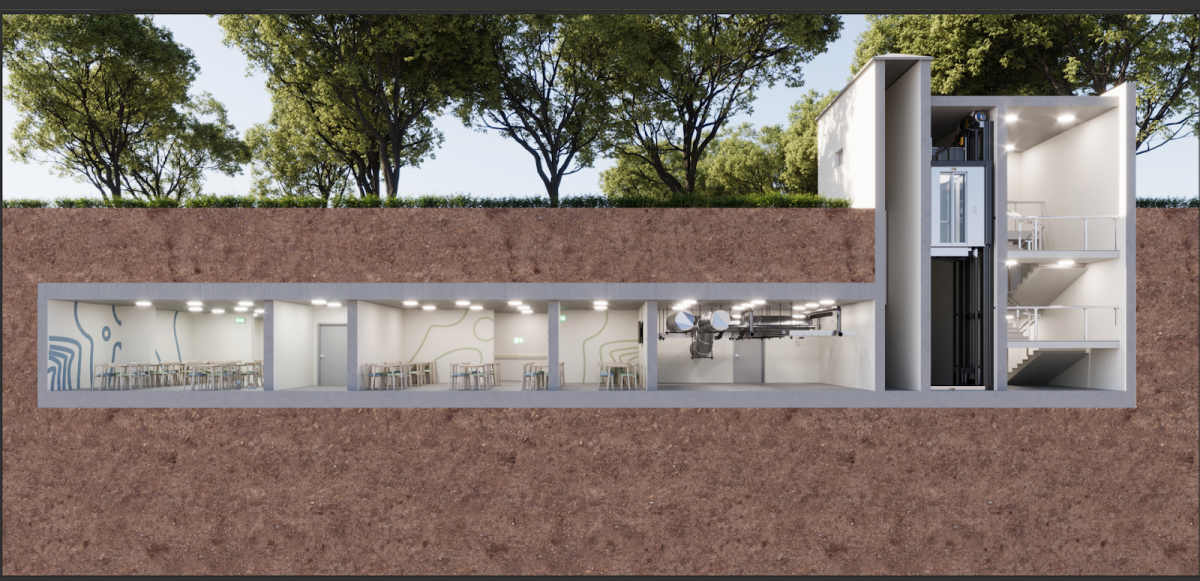
The most expensive underground school in Kharkiv region is being built in Chuhuiv. A modern shelter for 400 people is being constructed for Lyceum No. 5 at a cost of UAH 182 million. The contract price is dynamic. The project provides for 20 rooms equipped with educational furniture, as well as a medical unit and a buffet. The contractor is Lehionbud LLC, owned by Yevhenii Chaplyhin. An analysis of this procurement revealed a probable overpayment of UAH 16 million for rebar, concrete, and insulation materials. Subsequently, the contracting authority signed an additional agreement and reduced the cost of works by UAH 7.6 million; however, this adjustment did not affect the inflated prices of construction materials. Since the contract price is dynamic, it may still be adjusted in the completion certificates. Had it been fixed, the contracting authority would have had to sign an additional agreement.
Another underground school for 400 people is being built in the same city for Lyceum No. 8. The initial project cost was UAH 127.1 million. However, on the day the contract was signed, an additional agreement was executed reducing the amount to UAH 122.9 million. The works are being carried out by Drohon Eco LLC, owned by Artem Krasnov and Viacheslav Potiahailo. The contract price is dynamic. According to analysts’ calculations, the estimate for this project may contain an overpayment of more than UAH 7 million.
Another major agreement concerns the construction of a protective structure for 500 people for Slobozhanske Lyceum No. 2. A UAH 158 million contract was signed with Project Alliance LLC. Football and basketball courts are planned on the roof of the shelter. The founder of the company is the Fortis Construction Group Closed Non-Diversified Venture Corporate Investment Fund, managed by Oleksandr Kashkarov, and the signatory is former Kharkiv Regional State Administration official and current city council member Andrii Kolos. The contract price is dynamic. DOZORRO reviewed the cost estimate of this procurement and identified a potential overpayment of UAH 24 million for concrete and rebar. The company did not indicate in the summary statement of resources the cost of material delivery or storage expenses. Therefore, part of the overpricing may be attributable to these costs.
In Staryi Saltiv, an underground school for 423 people is being built at a cost of UAH 144 million. The works are being performed by Slobozhanske Construction Company Sarhon LLC, owned by Ihor Kuprovskyi. This same company received a contract in 2023 to restore a lyceum damaged by Russian attacks, which was again destroyed by drones in April 2025. An analysis of the shelter construction procurement revealed a probable overpayment of UAH 17.7 million for concrete, rebar, and bricks. However, the contract price remains dynamic.
Active construction is also underway in Kharkiv itself. We found five procurements whose descriptions match the characteristics of underground schools. These involve protective structures for Lyceums No. 24, No. 48, No. 91, No. 105, and No. 152. The tender documentation specifies that these facilities will include classrooms, restrooms, and ventilation systems.
Zaporizhzhia: keeping pace
Following Kharkiv region, Zaporizhzhia region has also joined the active construction of underground schools. The main contracting authority for such works in the region is the State Enterprise “Local Roads of Zaporizhzhia Region,” which, prior to the full-scale invasion, was engaged exclusively in road repairs. Over the current year, the enterprise signed 12 contracts for the construction of protective structures totalling more than UAH 1.2 billion. Of these, nine are in Zaporizhzhia city and three in the region.
All procurements were conducted through special open bidding, and in each case only one bidder participated, automatically becoming the winner. The lack of competition raises questions, given that the contract amounts are substantial and the projects are similar in scope and content. The contracts were awarded to the following companies: Vivat Bud LLC, Melcity LLC, Esko Zaporizhzhia LLC, Company Positive LLC, Kalmius LLC, Adonia Company LLC, and Metkom Invest LLC. Analysts noted that these companies have never competed against each other in the same tender, yet in their references on previous experience they cite one another. For example, Esko Zaporizhzhia and Vivat Bud indicated in their bids that they had previously acted as subcontractors for Melcity during the construction of shelters for Zaporizhzhia Academic Lyceum No. 46 and Gymnasium No. 107.
The most expensive underground school is being built for Zaporizhzhia Academic Lyceum No. 31. A contract with a dynamic price of UAH 115.2 million was signed with Esko Zaporizhzhia LLC, owned by Volodymyr Bondarenko. The protective structure is designed for 500 people. In peacetime, it can be used for education, extracurricular and sports activities, and leisure. According to analysts’ estimates, the project’s cost estimate likely contains an overpricing of UAH 7.6 million.
The same company also secured the second-most expensive contract — UAH 114.7 million for the construction of a shelter for 500 people for the Zaporizhzhia Boarding School Cossack Lyceum. In this procurement, analysts identified a likely overpricing of UAH 7.4 million. At the same time, the contract price is dynamic.
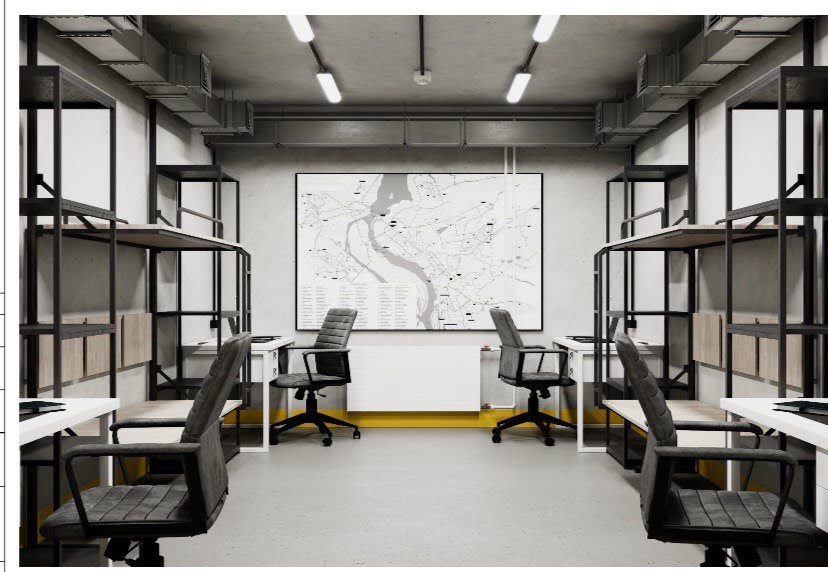
The top three most expensive procurements are completed by the underground school for Zakhysnyk Zaporizhzhia Regional Boarding Lyceum with Enhanced Military and Physical Training. The works will cost UAH 113.5 million — the contract price is dynamic. Construction is being carried out by Pozytyv Company LLC, owned by Maksym Haidai. The shelter is designed for 500 people and includes learning areas, restrooms, a medical unit, a buffet, ventilation and technical rooms. Analysts calculated a potential overpricing of UAH 8.3 million in the cost estimate for this procurement.
Dnipropetrovsk region: large-scale projects
Underground schools are also being built in Dnipropetrovsk region. We found 13 contracts totalling more than UAH 1.2 billion that meet the characteristics of such facilities.
The largest project is located in Samar. Here, Contemporary Construction Architecture LLC will build a shelter on the premises of Lyceum No. 6 for UAH 175 million. The company is owned by Yuliia Rozhenok. The underground facility is designed to accommodate up to 500 people and will consist of more than 30 rooms: a medical unit, showers, restrooms, rooms for different age groups, food storage rooms, as well as technical zones with backup power sources. However, according to analysts’ calculations, the project’s estimate may contain overpricing of UAH 25.7 million. However, the contract price is dynamic.
In the city of Dnipro, a shelter will be built for Lyceum No. 144. The works will be carried out by Stroiinvest Construction Company LLC, owned by Denys Ostrovskyi, at a cost of UAH 174.8 million. The company is linked to former Head of the Regional State Administration Valentyn Reznichenko. In recent years, the company has repeatedly appeared in cases concerning the embezzlement of public funds during the Big Construction program and tax evasion by city council officials totaling more than UAH 15 billion.
The underground school at Lyceum No. 144 is designed for 500 people. It will be equipped with heating, ventilation, water supply, sewage, electricity, video surveillance systems, fire and security alarms, communications and smoke control. It will also include a medical unit, showers, and rest rooms. We found a potential overpricing of UAH 3.4 million in this project’s estimate. The company did not specify delivery costs separately, so they are likely included in the material prices, which means the overpricing may be lower. In addition, the contract price is dynamic.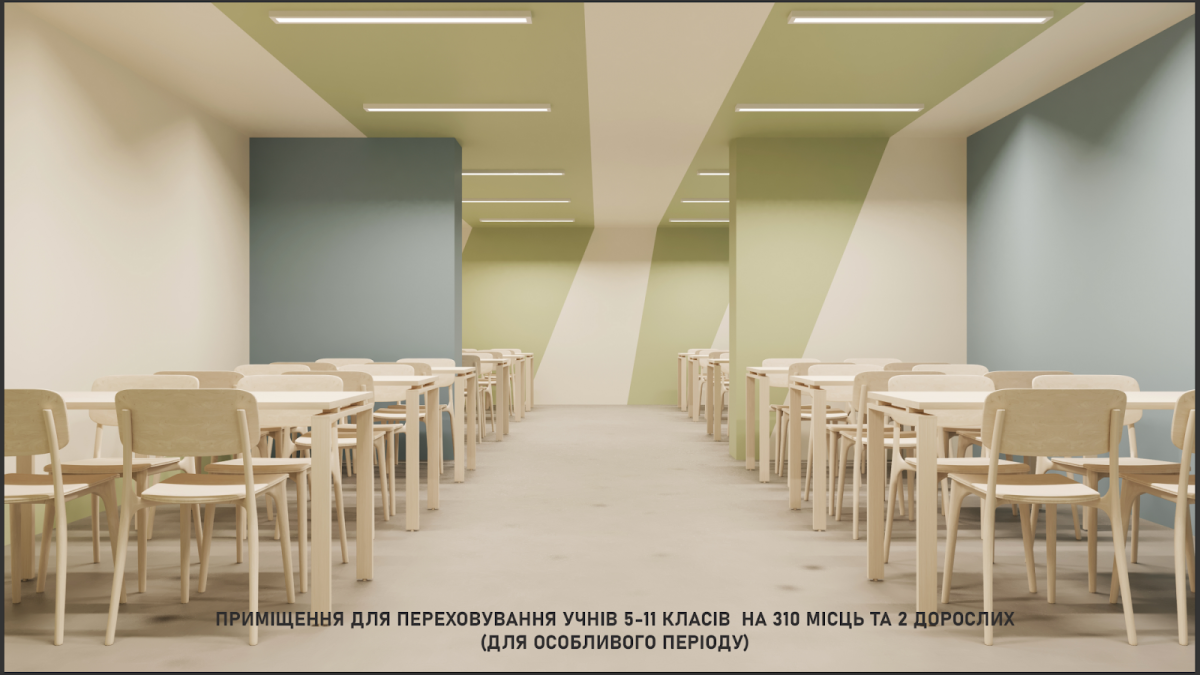
Another major contract was signed with Tekhbudresurs LLC — UAH 120.9 million for the construction of a shelter for 500 people for Dnipro Gymnasium No. 29. In this procurement, analysts identified a likely overpricing of UAH 2.3 million. Tekhbudresurs LLC is owned by Nataliia Nikolaivska. The company has previously been linked to suspected overpricing of works and is also known for its involvement in a document forgery scandal.
Sumy region
Underground schools are also being built in the Sumy region, although significantly fewer than in neighbouring Kharkiv region — only three contracts with a total value of UAH 133 million. In two of them, analysts found likely overpricing of construction materials. However, in both procurements the contract prices are dynamic. The most expensive facility is a protective structure on the grounds of Unikum Sumy Specialized School No. 30. A UAH 53 million contract was signed with Sumy-Service-Bud LLC, owned by Oleksandr Shevchenko. According to the design, the shelter for 200 people will include main shelter areas, food storage zones, water tanks, a diesel power plant, an electrical distribution room, ventilation equipment, restrooms, auxiliary rooms, and a sanitary post. According to analysts’ estimates, the project’s cost estimate likely contains an overpricing of UAH 5 million.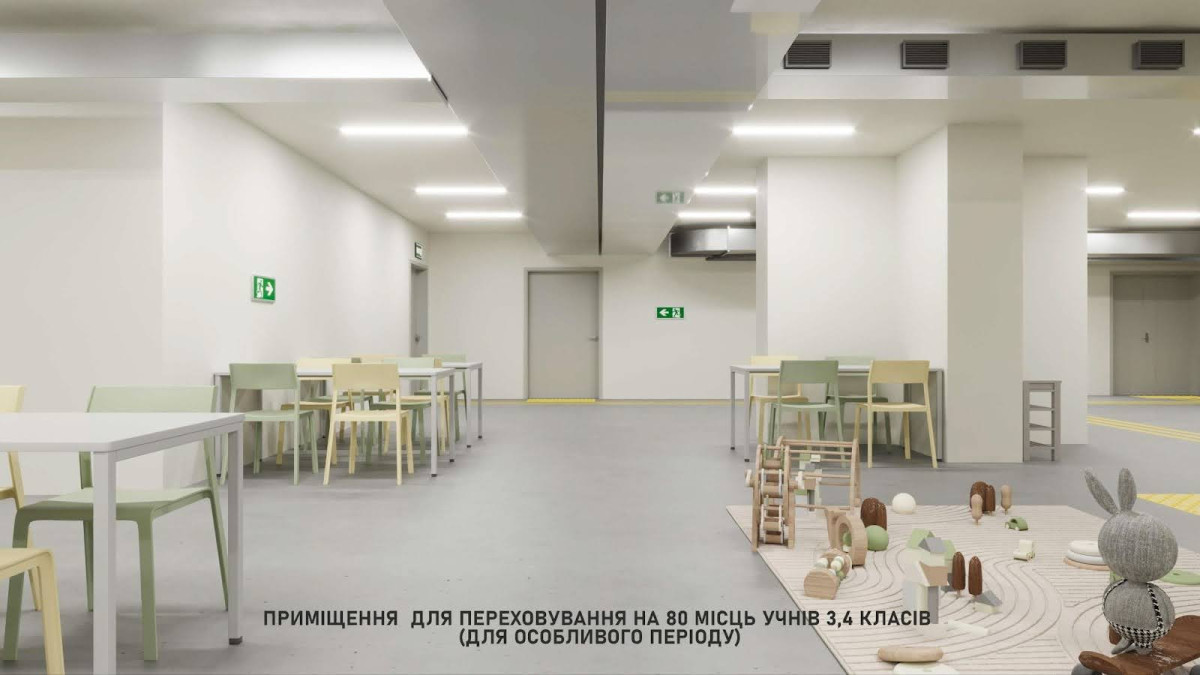
Another facility is being built in Sumy — a shelter for School No. 5 costing UAH 40.5 million. The contractor selected was Sumy-Service-Bud LLC owned by Oleksandr Shevchenko. The structure will accommodate 200 people and will include main shelter areas, zones for dirty clothing, food storage areas, water tanks, a diesel power plant, an electrical distribution room, ventilation, restrooms, auxiliary rooms and a sanitary post. According to analysts’ assessment, the estimate may contain overpricing of UAH 3 million.
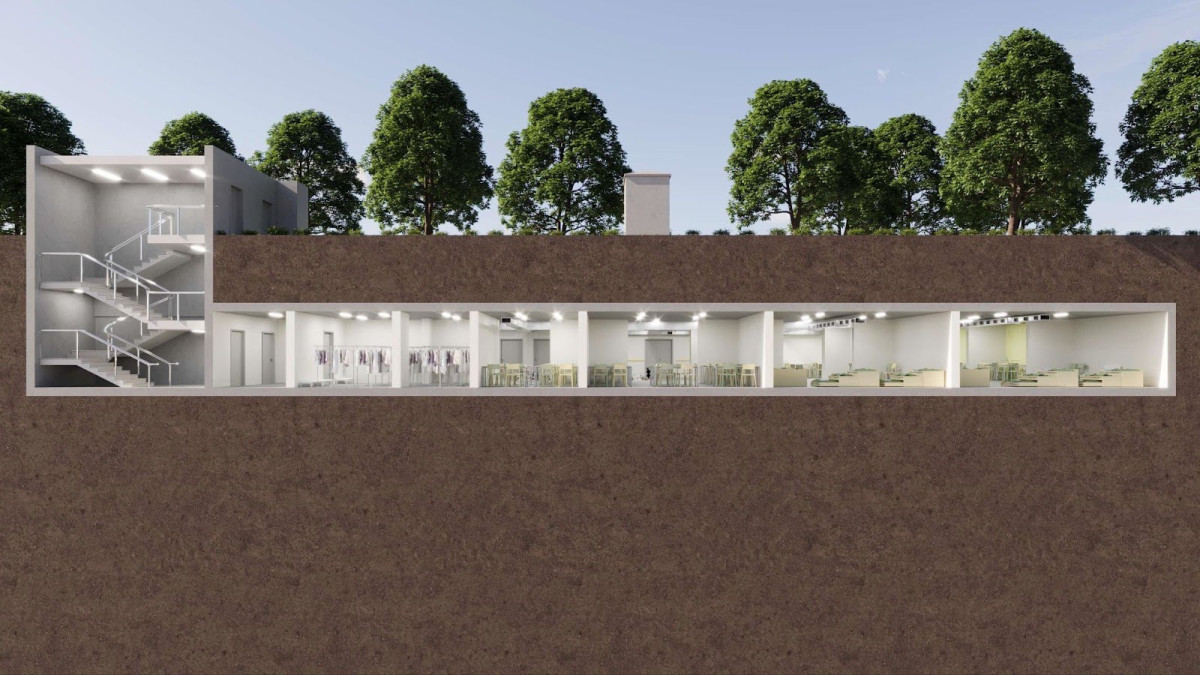
The third most expensive project in the region is the underground school for Krolevets Lyceum No. 5. Works worth UAH 41.6 million will be performed by Progress-P PE, owned by Halyna Bornovalova, Oksana Komarova, and Vladyslav Kondratiuk. The shelter’s capacity is 432 people.
Kherson and Mykolaiv regions: less active
Unlike Kharkiv and Zaporizhzhia regions, where the construction of underground schools is progressing more actively, Kherson and Mykolaiv regions are demonstrating significantly lower implementation rates this year. Last year, Kherson region concluded more than ten contracts worth over UAH 800 million, whereas this year only two contracts fell within the scope of our analysis — and one of them has already been terminated.
In Kherson region, the largest project this year is the protective structure for the Borozenske hub institution of complete general secondary education. Construction of the shelter was supposed to begin last year; however, the contract with the initial contractor was terminated. The contracting authority later signed an agreement with the Mahistral Plus consortium, which had been established only four months prior to the contract signing by Avtomahistral-Zakhid LLC and VALK Construction Company LLC. The ultimate beneficiary of the consortium is Serhii Yuzvishyn. The contract with a fixed price amounts to UAH 68.2 million, yet the procurement analysis indicates a likely overpricing of approximately UAH 12 million.
Another contract for the construction of an underground school in Kherson, worth UAH 56 million, was terminated because the contractor failed to meet the construction schedule. This concerns the school was hit by Russian airstrikes in October last year.
The construction of underground schools in Kherson is progressing slowly due to a combination of factors: the city lies on the frontline and is shelled daily; some contractors have lost contracts due to violations or questionable procurement procedures; and last year, local residents protested against the construction, linking the shelling to the works themselves. In the community’s view, such construction during wartime may be impractical and could even turn these facilities into potential targets for the Russian army. As of May 2025, only three underground schools have been completed.
According to the Minister of Education and Science of Ukraine, Oksen Lisovyi, ten underground school shelters are planned in the Kherson region: three are fully completed, while seven more are at the final stage and will be commissioned in the first half of next year.
As for the Mykolaiv region, we found only two procurements that match the characteristics of underground schools. In the village of Mykhailivka, a protective structure is being built for the local lyceum at a cost of UAH 46.6 million. The contract price is fixed. Despite the presence of two cheaper bids, the contract was awarded to Nikopolska-STK LLC, owned by Stanislav Pohan. In this procurement, journalists from Nashi Hroshi identified a likely overpricing of nearly UAH 2 million.
Another educational space is being developed for a lyceum in the village of Oleksandrivka, Mykolaiv region. A contract worth UAH 43 million was signed with First Ukrsainian Construction LLC, which is linked to Oleksandr Kukuruza, a member of the Mykolaiv Regional Council from the Nash Krai party and recently appointed Head of the Voznesensk District State Administration. Subsequently, the cost of works was reduced to UAH 14 million.
At the same time, it should be noted that last year the construction of underground schools in Mykolaiv region was significantly more active — we identified 11 such procurements totaling more than half a billion hryvnias.
Other regions
Underground schools are also being built in the Odesa region. One such project is a facility with radiation protection properties on the grounds of Maiaky Lyceum in the Odesa district. It will include a medical room, a buffet, food storage facilities, water reservoirs, and interchangeable life-support systems. After rejecting three cheaper bids, the contract was signed with SPK Flagman LLC for UAH 117.4 million. The contract price is dynamic. Construction is scheduled to be completed by March 31, 2026. An analysis of the cost estimate for this procurement revealed a potential overpricing of UAH 7.8 million.
Another underground school is being built in Podilsk. The contracting authority will pay Berezivkaahroshliakhbud LLC UAH 99.5 million to construct a civil defense protective structure on the grounds of local school No. 3. The company is owned by Kniaz Khachatrian, a member of the Odesa Regional Council. The same company also received contracts to build shelters for School No. 9 in Podilsk for UAH 78 million and for Kodyma Lyceum No. 1 for UAH 61.8 million. In these two procurements, the contract prices are fixed, and analysts calculated a combined likely overpricing of nearly UAH 11 million.
In the Chernihiv region, in Snovsk, a shelter costing UAH 67.7 million is being built by Firm MZhK-Service LLC. The company is owned by Ihor Zheldak, a member of the Chernihiv Regional Council. In this procurement, analysts found a likely overpricing of UAH 4.9 million — the contract price is fixed.
Kyiv has also joined the initiative to build underground schools, where several large-scale projects are being implemented simultaneously. For Lyceum No. 157, construction is being carried out by Tsentra-Bud LLC — the contract value reaches UAH 279 million. For School No. 181, works are being performed by Integral Bud-Standart LLC for UAH 207 million, and for Lyceum No. 186 — by Creator Company LLC, with a contract amount of UAH 196 million. These are only a few examples; in reality, protective structures are being built across a much larger number of regions.
Conclusion
Likely overpricing of materials in cost estimates is not a unique feature of shelter construction projects. It is a systemic problem in the construction sector, where, first and foremost, there is often a lack of unified approaches to determining construction costs at the design stage, as well as insufficient state oversight and transparency. Underground schools are no exception: precisely because of their substantial budgets, any inaccuracies or overpricing can amount to millions.
This is exactly why Dozorro specialists closely monitor such projects, analyze procurements, and send formal inquiries to contracting authorities — and this produces tangible results. In many cases, after our letters, contracting authorities revise contract prices. For example, the Capital Construction and Road Management Department of the Sumy City Council reduced the contract price for the construction of a shelter for School No. 5 by UAH 2.5 million following our intervention. We hope to see similar actions from other contracting authorities, as most of the contracts in which we identified signs of overpricing were concluded with dynamic pricing. This means that during the construction of protective structures, their cost can be readily adjusted to market levels.
Public oversight does indeed yield results; however, to prevent such situations altogether, the state needs to amend legislation and ensure real supervision over the spending of public funds.
This material was prepared within the framework of the “Digitalization for Growth, Integrity, and Transparency” (UK DIGIT) project, implemented by the Eurasia Foundation and funded by UK Dev. The material was produced with the financial support of the UK Government’s International Development Assistance Programme. The contents of this material are the sole responsibility of Transparency International Ukraine; the views expressed do not necessarily reflect the official policy of the Government of the United Kingdom.
Source: glavcom.ua


