



December 15, 2025 11:00
Top 10 Universities in Ukraine: Who Invests the Most in Student Comfort
When we say “student dormitory,” many people picture cramped rooms, worn-out furniture, and a single kitchen and shower per floor. This is partly true — most dormitory buildings were constructed several decades ago. In reality, however, dormitories constitute extensive infrastructure that universities gradually maintain and upgrade, each within their own financial and institutional constraints.
Over the past nearly two years, the ten leading universities in Ukraine have signed contracts worth UAH 181 million for the renovation and maintenance of dormitories. For comparison, this amount is roughly equivalent to the cost of constructing one underground school in Chuhuiv, Kharkiv region, or three anti-radiation shelters similar to the one currently being built at the Dunaivtsi Lyceum in Khmelnytskyi region for UAH 62.7 million.
To understand how universities take care of their residential facilities, we analyzed procurement data from leading higher education institutions included in the Top 10 Consolidated Ranking of Ukrainian HEIs for 2025 published by Osvita.ua. This ranking aggregates the results of national education rankings: Top-200 Ukraine, Scopus, and NMT Contract Score.
University ranking by spending on student dormitories
Lviv Polytechnic National University
The leader by total value of contracts signed for dormitory renovations and reconstruction is Lviv Polytechnic National University. Since early 2024, the university has concluded contracts worth nearly UAH 70 million, the highest figure among all institutions analyzed. When calculated per resident, this amounts to approximately UAH 9,200 per student.
The structure of Lviv Polytechnic’s expenditures is indicative: 95% of funds were allocated to major The most expensive contract concerned the thermal modernization of Dormitory No. 3, valued at UAH 38.4 million. Under this contract, Zhovkva Ltd. Construction Firm replaced windows, upgraded ventilation systems, and installed thermal insulation. Previously, DOZORRO reported a potential overpayment of UAH 21 million in the tender won by this company. Following our inquiry, the Halychyna Comprehensive Rehabilitation Centre adjusted the contract price, preventing the overpricing.
Other large-scale projects at Lviv Polytechnic include repairs of hot water supply systems, elevators, and roofing. Residents have noticed these changes as well. Volodymyr, a student living in Dormitory No. 11, notes that the elevator upgrades have been the most tangible improvement — the old Soviet-era lift was replaced with a modern, spacious, and convenient one.
He describes everyday living conditions as follows: “Four-person rooms are quite cramped. I live in a double room, which is great. There’s one kitchen per floor, but that’s more than enough. I’ve never seen queues.”
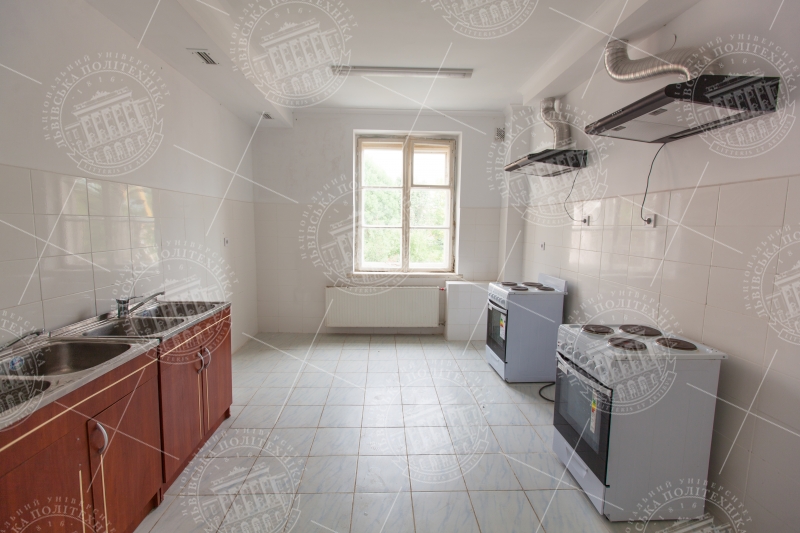
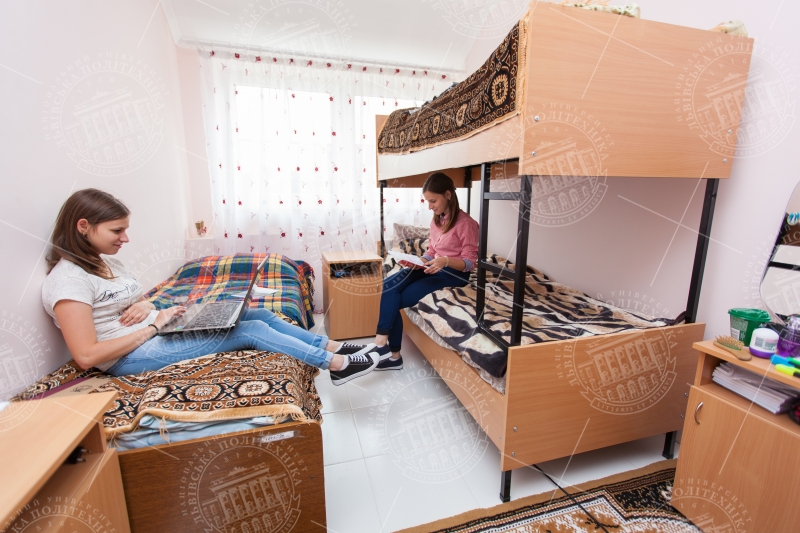
Dormitories of Lviv Polytechnic. Source: Lviv Polytechnic website
O.O. Bohomolets National Medical University
Second place goes to Bohomolets National Medical University, which has signed contracts worth over UAH 53.2 million since early 2024.
This institution is among those where spending on major and routine repairs is almost evenly split — meaning the university not only maintains buildings in operational condition but also undertakes major upgrades. The university states that it applies a systematic approach to dormitory maintenance, annually preparing renovation plans implemented both by in-house teams and contracted companies.
The most expensive contract concerned the capital overhaul of the heat supply system for Dormitories Nos. 3–6 at 14 Hrushetska Street, with works valued at over UAH 21.35 million. The project includes installing a modular pellet boiler house, upgrading equipment at the heating unit, and connecting it to the utility network. The procurement attracted a single bidder — UKRVODRESURS LLC. Over the past nearly two years, the university has signed three contracts with this contractor, with the dormitory overhaul being the largest.
Taras Shevchenko National University of Kyiv
Third place is held by Taras Shevchenko National University of Kyiv, which contracted works and services worth UAH 14.1 million over nearly two years, more than four times less than the two leaders. Spending per resident amounted to UAH 2,126.
The university’s primary focus has been on safety and infrastructure maintenance. Almost half of the funds (UAH 5.6 million) were allocated to the installation and reconstruction of fire alarm systems in Dormitories Nos. 16 and 17. Both contracts were signed with Agni Engineering LLC, a long-term partner of the university — eight contracts have been concluded with the company over the past two years. For example, for UAH 9.7 million, the company upgraded fire alarm and emergency notification systems in the university’s main building.
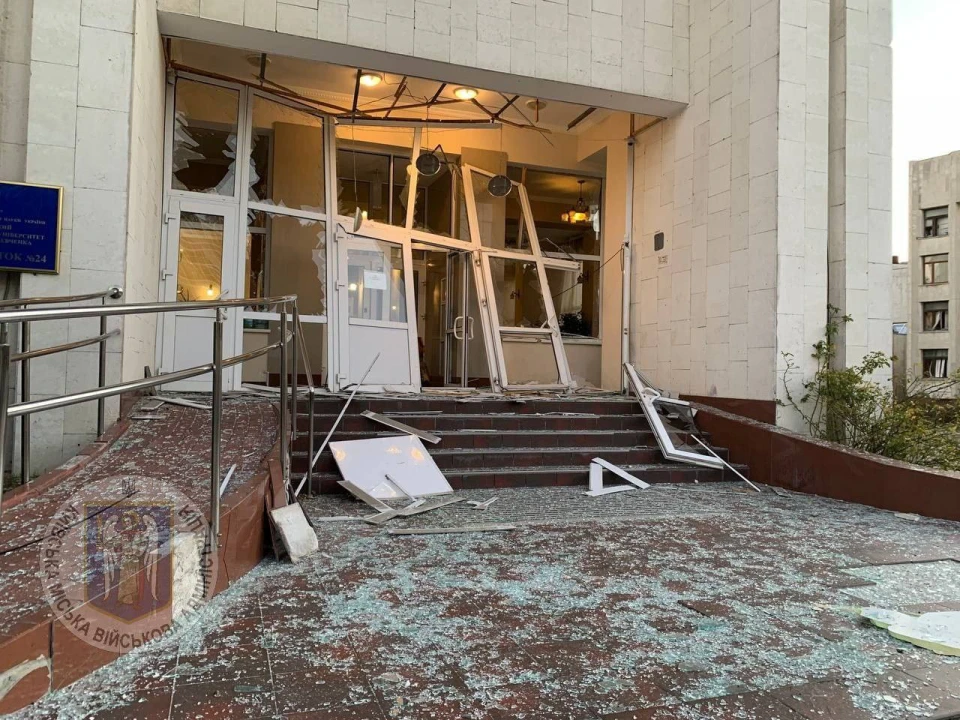
Part of the spending was driven by the consequences of the war. In November 2024, a drone attack damaged buildings of the Institute of Journalism, the Institute of International Relations, and Dormitory No. 24, shattering windows and partially damaging façades. The university has been forced to restore these buildings alongside planned maintenance works.
The Mid-Range Group: Upgrades up to UAH 8.8 million
Universities spending more modest amounts — between UAH 2 million and UAH 9 million — include Vasyl Stefanyk Precarpathian National University, Ivan Franko National University of Lviv, Igor Sikorsky Kyiv Polytechnic Institute, Yurii Fedkovych Chernivtsi National University, National University of Kyiv-Mohyla Academy, and partially Sumy State University.
In most cases, funds were allocated to current or major repairs of individual premises, replacement of utilities, and refurbishment of roofs and façades — that is, maintaining existing residential facilities rather than undertaking major reconstructions.
Vasyl Stefanyk Precarpathian National University signed contracts worth UAH 8.8 million for dormitory maintenance and repairs. The most expensive contract was UAH 1.8 million for the capital renovation of the heating substation in Dormitory No. 2. This was followed by UAH 1.5 million for design and cost-estimate documentation for a new educational and rehabilitation center in an unfinished dormitory building on Sukhomlynskyi Street. The building is planned to be repurposed for an experimental project supporting veterans’ transition from military service to civilian life through education, sports, and rehabilitation. Technically, the procurement falls under dormitories, but substantively it goes beyond standard campus works. Also, the university contracted UAH 1.4 million for the capital replacement of windows in Dormitory No. 4.
Ivan Franko National University of Lviv contracted UAH 8.1 million for dormitory upgrades — UAH 1,606 per resident, almost six times less than Lviv Polytechnic.
Most funds were directed toward systematic upgrades of water supply, electrical systems, and fire safety infrastructure. The largest contract, worth UAH 2.19 million, covered the capital repair of an emergency water supply system at the dormitory located at 62b Pasichna Street.
The university notes that financing projects can be challenging. Construction of a new dormitory began before the full-scale invasion and was financed under a separate budget program. After the outbreak of the war, funding was suspended, forcing the university to seek alternative sources to continue the works. The university plans to expand its housing capacity through reconstruction of existing premises.
Sumy State University: UAH 34,989 per resident
Sumy State University leads the ranking in per-resident spending — UAH 34,989. This figure is explained by the relatively small number of residents: according to the campus website, only 214 students live in its dormitories. By comparison, Lviv Polytechnic’s dormitories house 35 times more residents, which significantly lowers per-capita spending despite higher total expenditures.
Nevertheless, renovation works continue at the university, which operates in a frontline region. Over the past nearly two years, almost UAH 7.5 million was contracted for capital upgrades, including roof repairs, refurbishment of interior spaces, and partial replacement of engineering networks in Dormitories Nos. 1 and 5. “Certain repair activities planned for 2022–2023 were suspended due to martial law and the inability to carry out construction works in full,” the university comments.
Students confirm that dormitories remain in good condition. “The conditions are great — rooms are a 10 out of 10. Kitchens and bathrooms are cleaned regularly by staff and conscientious (sometimes) residents,” jokes Illia, a student at Sumy State University.
His classmate Oleksandra adds that a gym has been set up in the dormitory, and motion sensors were installed in kitchens to save electricity. There is also a freely accessible shelter equipped with everything needed during air raid alerts.
Valeriia, who lives in a dormitory with improved conditions, describes it as follows: “My conditions are decent: there’s been renovation work, kitchens and bathrooms are cleaned, and the cleaning staff do their job well. I’d rate the kitchen 7 out of 10, rooms 4 out of 10, and bathrooms about 3 out of 10 — there are cracks and toilets sometimes break, but the plumber comes weekly.” She notes that she has not seen major upgrades over the past three years, except for benches near the entrance being repainted. She adds that the contrast with dormitories of other faculties and institutes is noticeable: “The Chemists’ (Educational and Research Institute of Chemistry — DOZORRO) dormitory is old and neglected.” There are cockroaches and the conditions aren’t great. I know this from friends.”
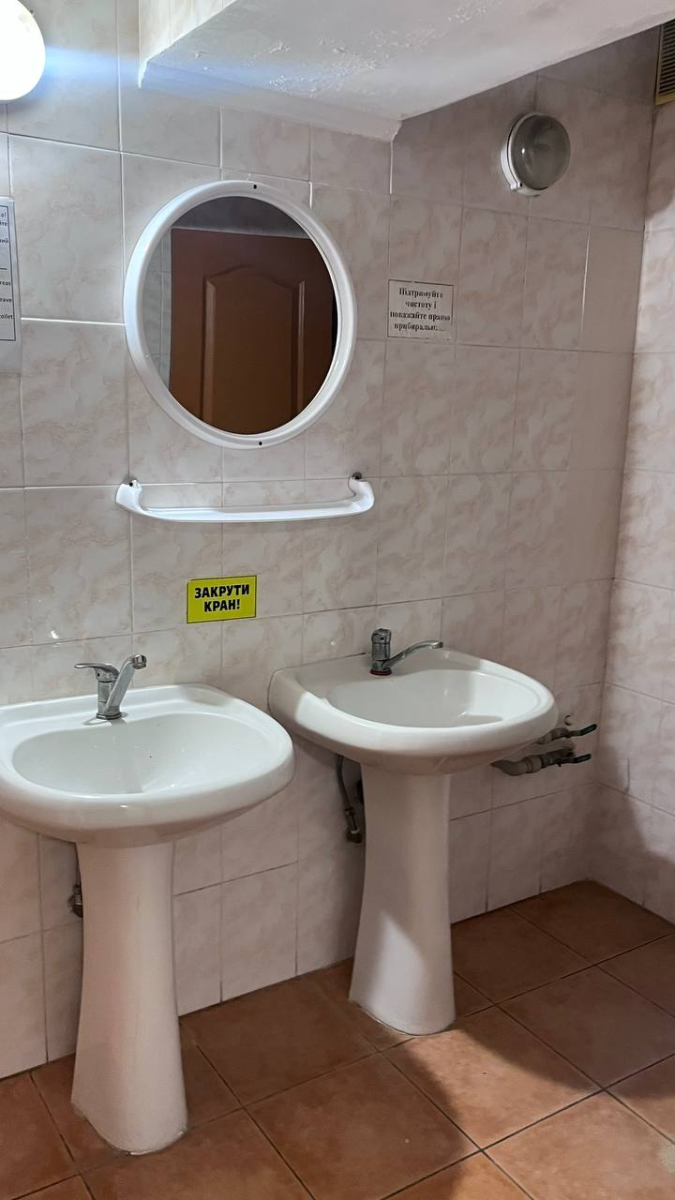
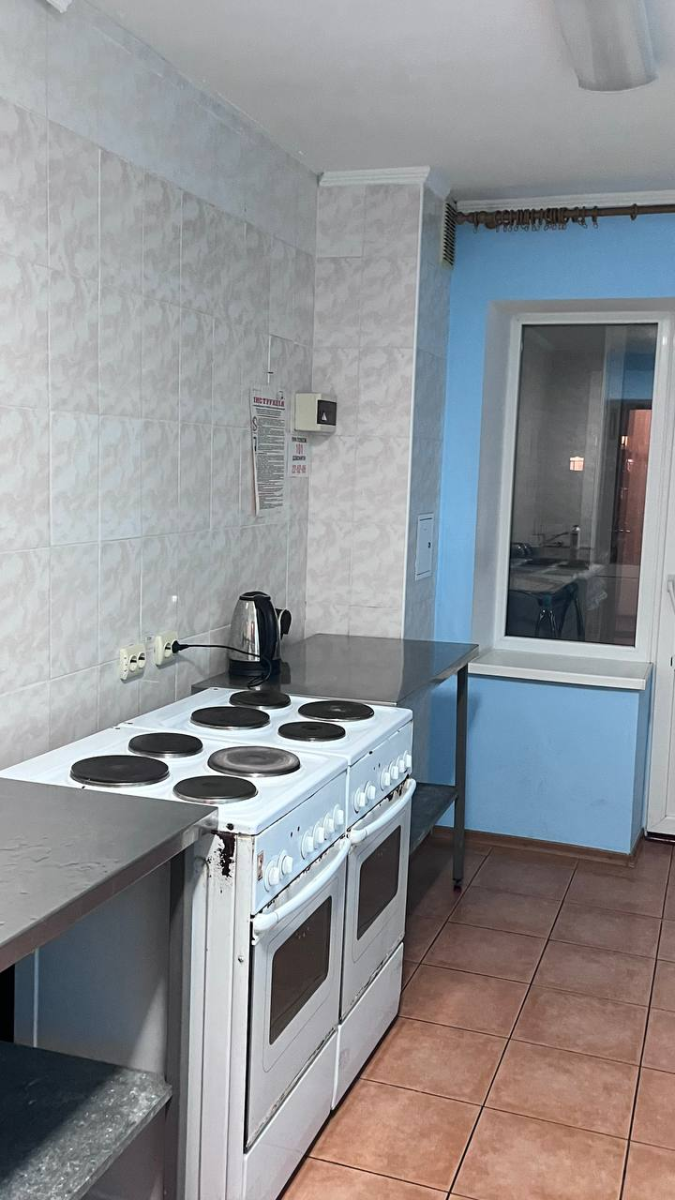
Photos by Valeriia, resident of Sumy State University’s Dormitory No. 1
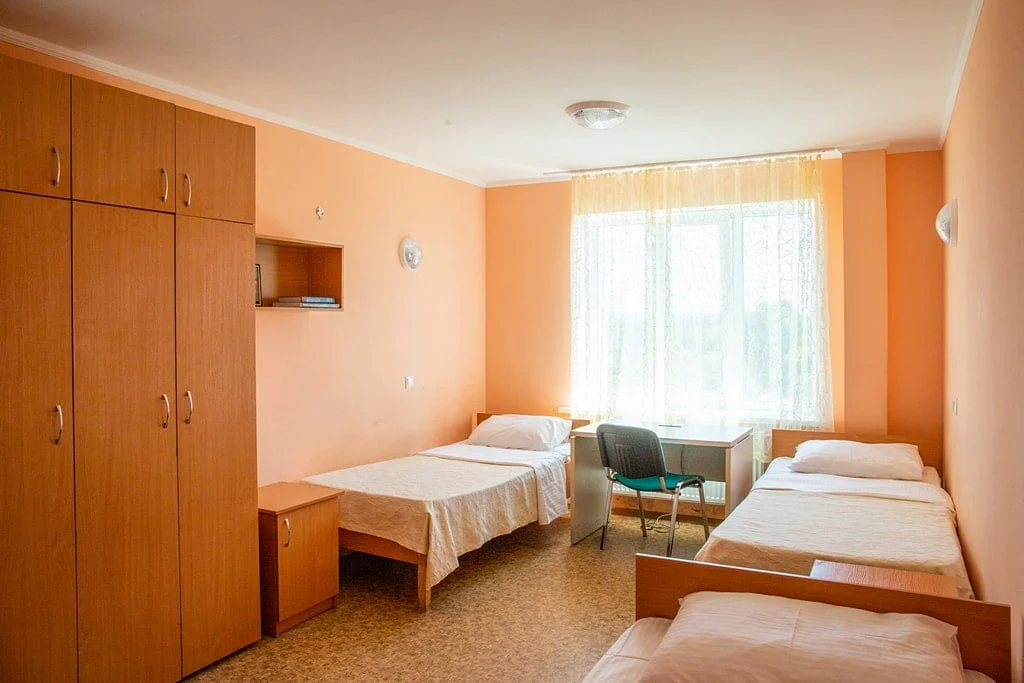
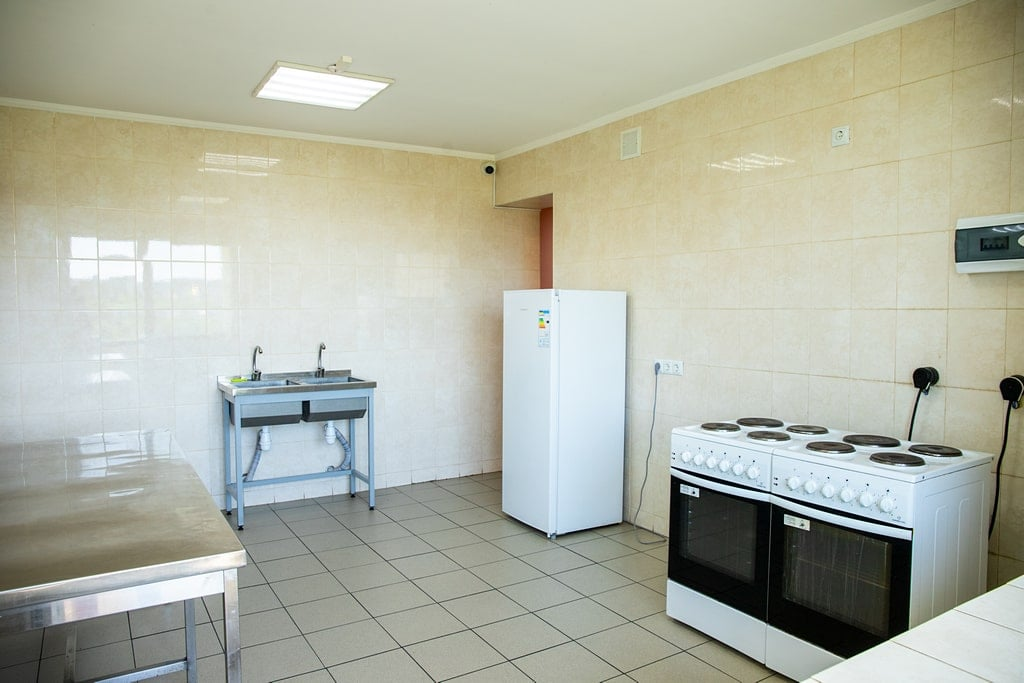
Dormitory conditions. Source: Sumy State University website
Below average: Upgrades up to UAH 7.5 million
Yurii Fedkovych Chernivtsi National University contracted over UAH 7.4 million for dormitory maintenance, mainly for routine repairs: replacement of emergency windows, renovation of showers and bathrooms, and restoration of water supply systems. At the same time, the university is developing design documentation for major renovations of several dormitories. The university says that modernization of the campus is included in its 2025–2029 strategic development plan.
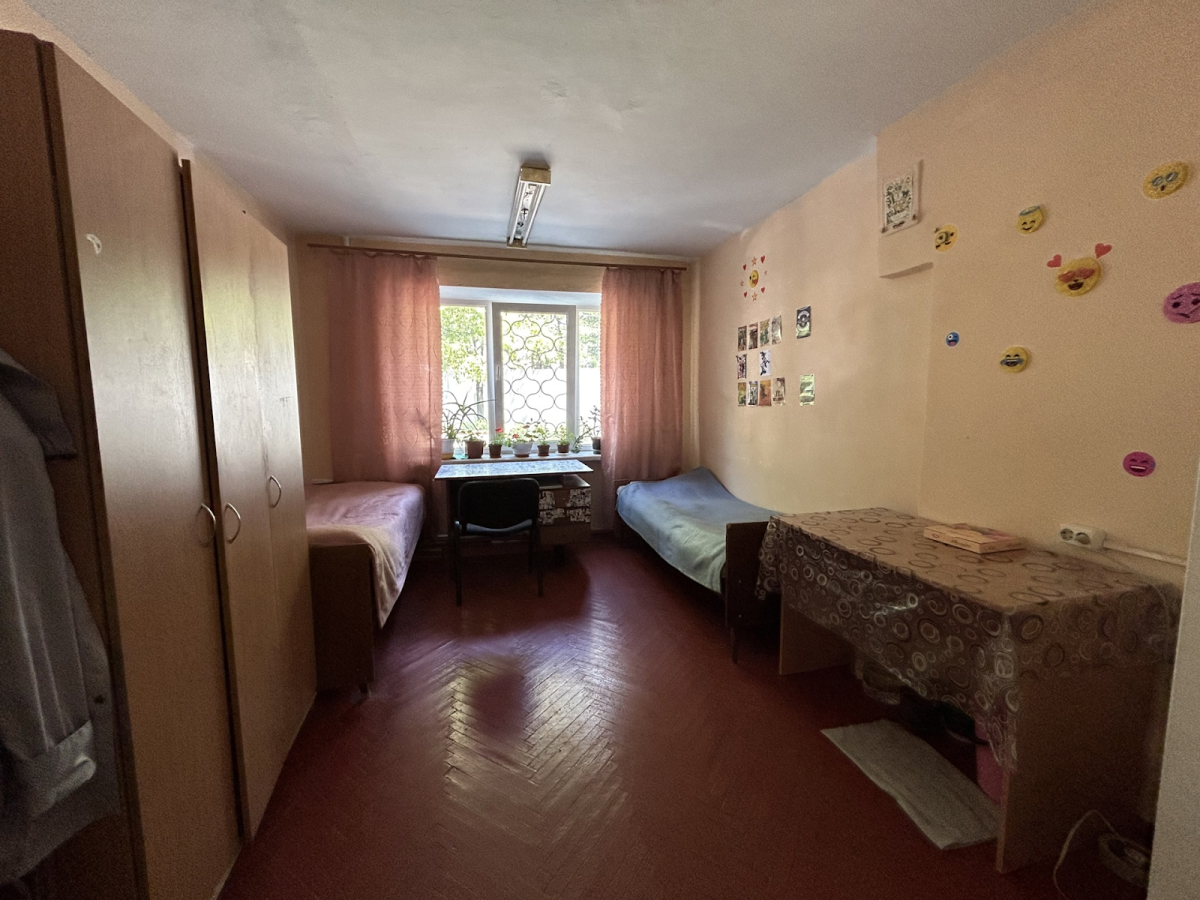
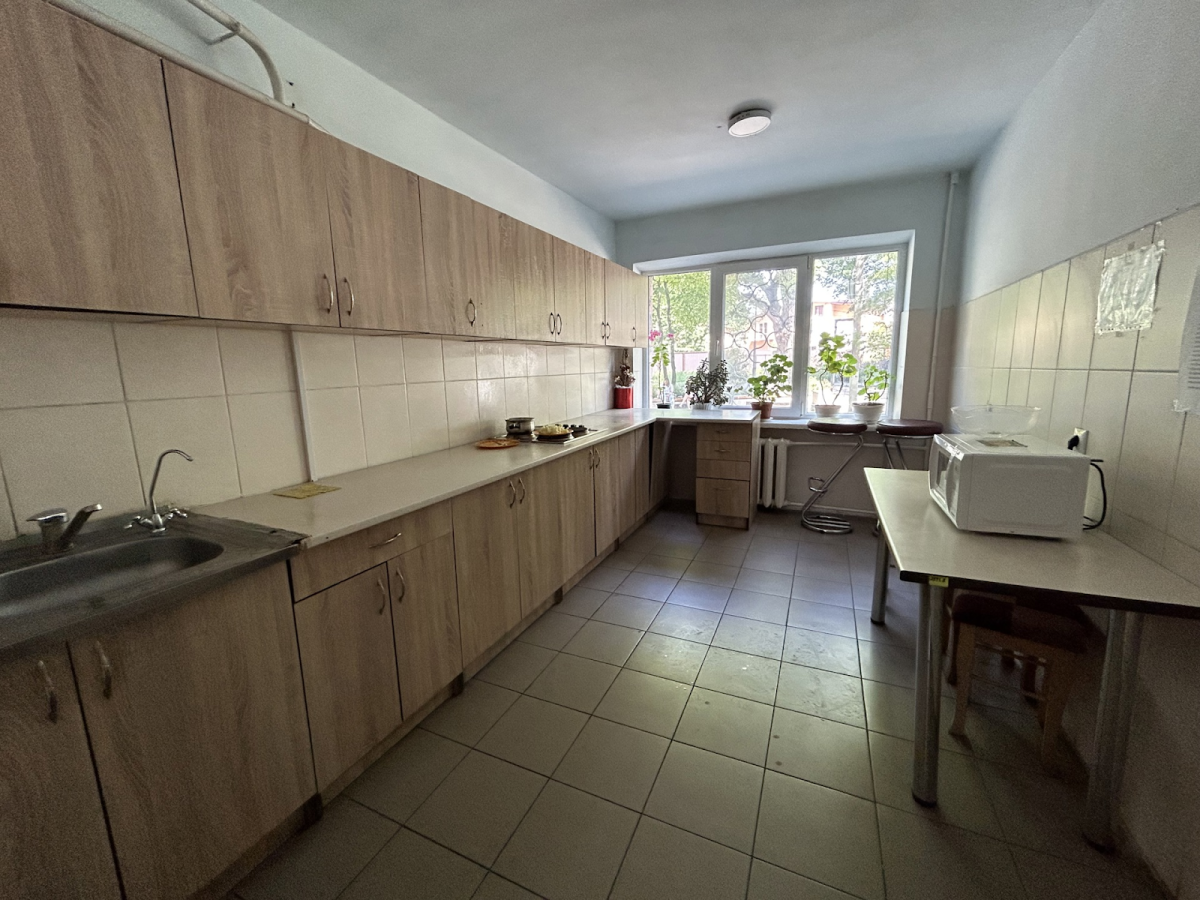
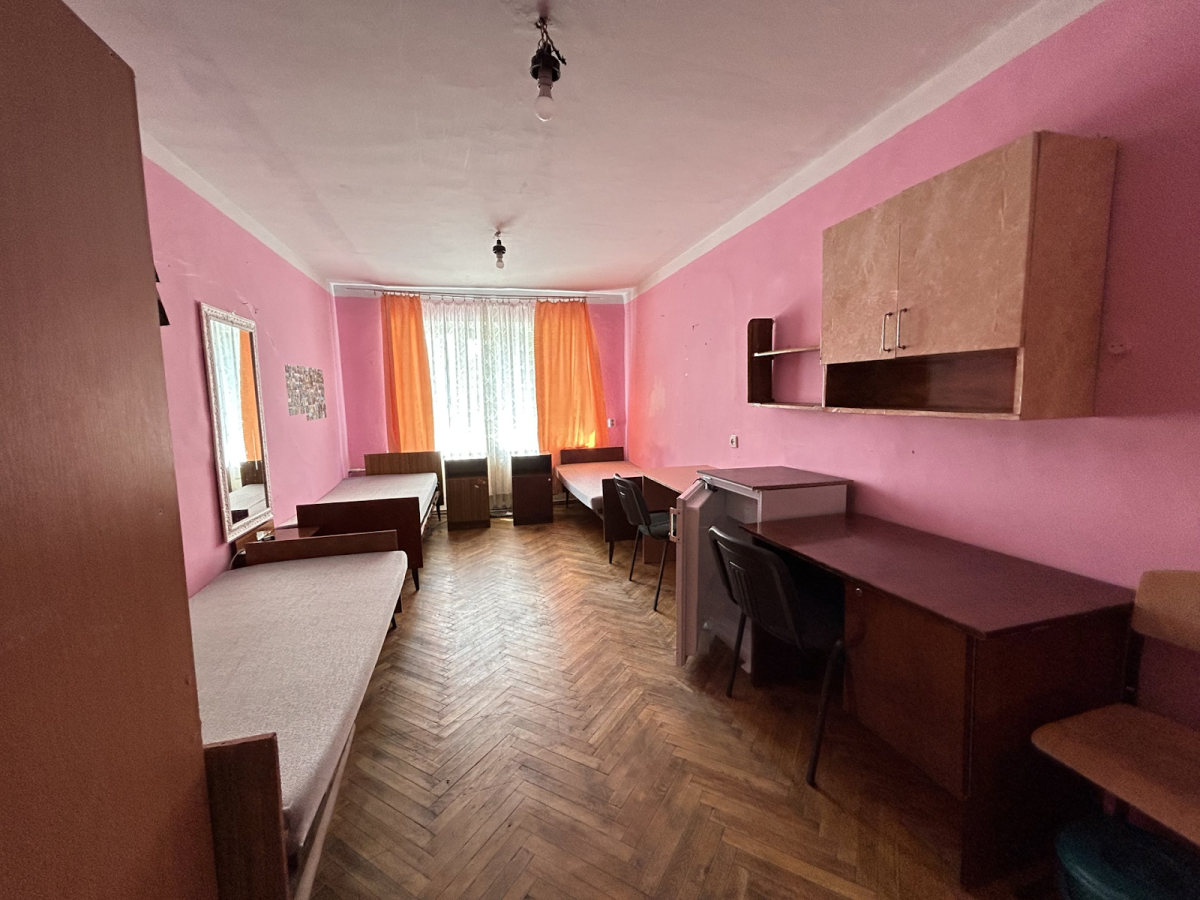
Yurii Fedkovych Chernivtsi National University. Living conditions in Dormitory No. 1. Source: Yurii Fedkovych Chernivtsi National University website
At Igor Sikorsky Kyiv Polytechnic Institute, dormitory repairs focus on everyday living conditions and safety rather than large-scale reconstruction. Over the past two years, the university signed contracts worth nearly UAH 7.4 million (UAH 2,975 per resident), prioritizing insulation, electrical systems, and utility repairs. For example, almost UAH 1.5 million was contracted for the capital renovation of bathrooms in Dormitory No. 12 on Mykhaila Braichevskoho Street, one of the oldest buildings on campus. Another UAH 800,000 was allocated for fire alarm system upgrades in Dormitory No. 17.
At the National University of Kyiv-Mohyla Academy, total contract value reached UAH 2.8 million. More than 1,000 students live in its dormitories. The university focused on energy efficiency, commissioning a thermal modernization design project for its dormitory on Oleksandra Ekster Street and procuring services to ensure stable dormitory operations.
V.N. Karazin Kharkiv National University: Lowest contract value
The smallest amount spent on dormitories among all universities analyzed was recorded at V.N. Karazin Kharkiv National University — just UAH 2 million. Spending per resident cannot be calculated, as the university declined to disclose the number of students living in dormitories.
Almost 90% of the funds were allocated to technical maintenance of elevators, gas supply systems, and inventory works. No contracts for capital repairs or reconstruction were signed. “Given the current security situation in Ukraine, the university continues to systematically assess the effectiveness of dormitory maintenance, with particular attention to resident safety, stability of engineering networks, and proper technical condition of premises,” the university states.
The university has 13 dormitories on its balance sheet. Four of them remain operational — either equipped with shelters or located near permanent shelters.
Polina, a third-year student, shares: “We have a basic shelter. It’s not perfect, but it performs its main function.” She adds that overall living conditions are acceptable: the block system works, administration responds promptly to residents’ requests, and kitchens are in decent condition. However, there are shortcomings: “In winter, room temperatures are around 16–18°C. Classes are online, so we spend most of our time in the room, and it feels quite cold.”
Overall, leading universities tend to approach dormitory repairs in a targeted manner. Contract values are relatively modest, and systemic modernization is either planned or progressing slowly. Only a few institutions are pursuing comprehensive capital renovations and thermal modernization. In wartime conditions, this is understandable — safety, shelters, and basic functionality take priority. However, ensuring decent living conditions for students is something that deserves attention already today.
This study was prepared within the framework of the “Digitalization for Growth, Integrity, and Transparency” (UK DIGIT) project, implemented by the Eurasia Foundation and funded by UK Dev. The material was produced with the financial support of the UK Government’s International Development Assistance Programme. The contents of this material are the sole responsibility of Transparency International Ukraine; the views expressed do not necessarily reflect the official policy of the Government of the United Kingdom.
Source: rubryka.com


