



July 24, 2026 11:41
Electric Vehicles, a Flamingo, and Animal Feed: What Ukrainian Zoos Spend Money On
For zoo animals, the war has not canceled the need for food, warmth, and care. Despite shelling, power outages, and complicated logistics, Ukrainian zoos keep operating, taking in evacuated animals, and setting up new exhibits.
Ukraine has 13 zoos with the status of nature reserve fund sites: seven of national and six of local significance. Beyond these, the country also has municipal zoos not included in this list. Keeping thousands of animals requires substantial spending on feed, veterinary care, utilities, and infrastructure development. Most Ukrainian zoos are not self-sustaining: revenue from ticket sales, guided tours, and other services covers only part of their costs, while their core funding comes from local budgets.
The DOZORRO project of Transparency International Ukraine found Prozorro data on the procurements of eight Ukrainian zoos over the past year and a half. During this time, they signed contracts worth UAH 518.4 million. Below, we look at what the zoos contracted the most money for and what curious procurements they made.
Feeding costs the most
The largest spending item was animal food. Over eighteen months, the zoos contracted almost UAH 211 million for meat, fish, vegetables, fruit, hay, grain, browse, and other products.
For predators, they bought beef, horse meat, chicken, fish, shrimp, and other seafood. For herbivores — hay, fresh and dried branches, vegetables, fruit, and specialized feed.
Another roughly UAH 156 million went to electricity, gas, fuel, and other utilities. Almost UAH 85 million was contracted for repairs of enclosures, pavilions, utility buildings, and infrastructure.
Despite the zoos’ different scales, the spending structure is almost the same everywhere. Most of the money goes to animal upkeep, while construction works and grounds development account for a much smaller share. Still, some rather unusual items do appear among the procurements.
Kyiv Zoo
Kyiv Zoo contracted the most money through Prozorro — almost UAH 239 million. Over half of this amount went to utilities and animal food. But its procurements were not limited to daily necessities.
For getting around the grounds, for example, the zoo purchased three ATTIVA electric vehicles and one NEV L2C.6 electric vehicle for UAH 3.5 million. Another UAH 1.4 million bought a Peugeot e-Partner L2. Separately, the zoo procured an uninterruptible power supply system for UAH 4.4 million, comprising hybrid inverters, storage batteries, battery management equipment, switchboards, and automation. The price also covered installation and commissioning.
One of the most interesting purchases was a shower-and-laundry module for UAH 3.2 million. It is not, in fact, a facility for animals but a mobile amenity complex for staff. Two converted shipping containers were fitted with showers, bathrooms, washing machines, and dryers. In response to a DOZORRO inquiry, Kyiv Zoo explained that the module was procured for employees forced to work round-the-clock shifts because of Russian aggression. The zoo noted that the war had put on hold a reconstruction project that was to include new staff amenity premises, while the existing trailers and temporary facilities no longer meet sanitary requirements. The module allows employees to shower and wash their clothes after work right on the zoo grounds.
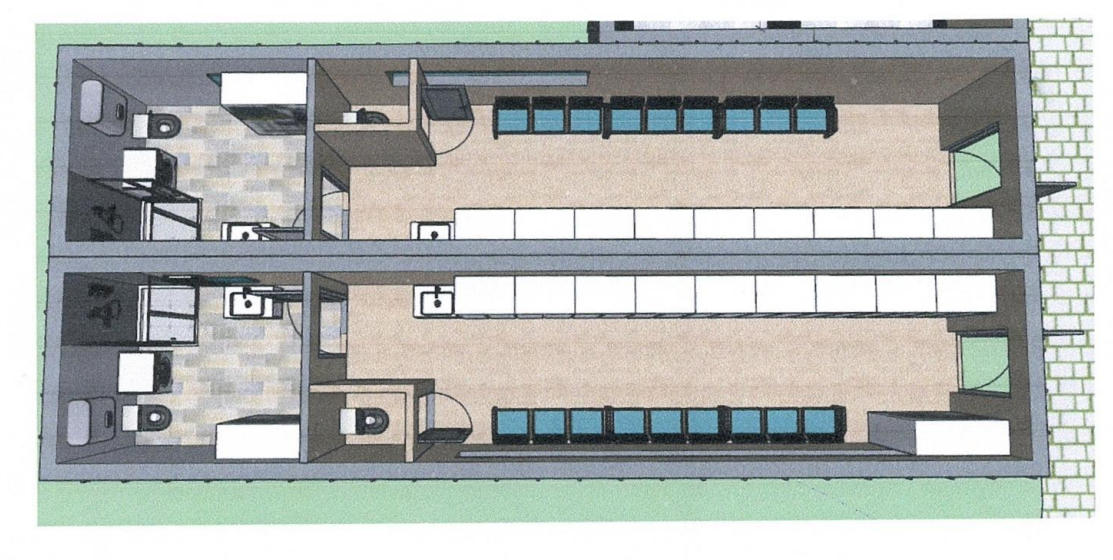
Another UAH 2.5 million went to two mobile living modules. These were also built from shipping containers and equipped with furniture, refrigerators, microwaves, air conditioners, and bathrooms. The modules were procured to replace old trailers used by the grounds cleaning and landscaping staff, giving them a place to change, store personal belongings, have lunch, and take a short rest.
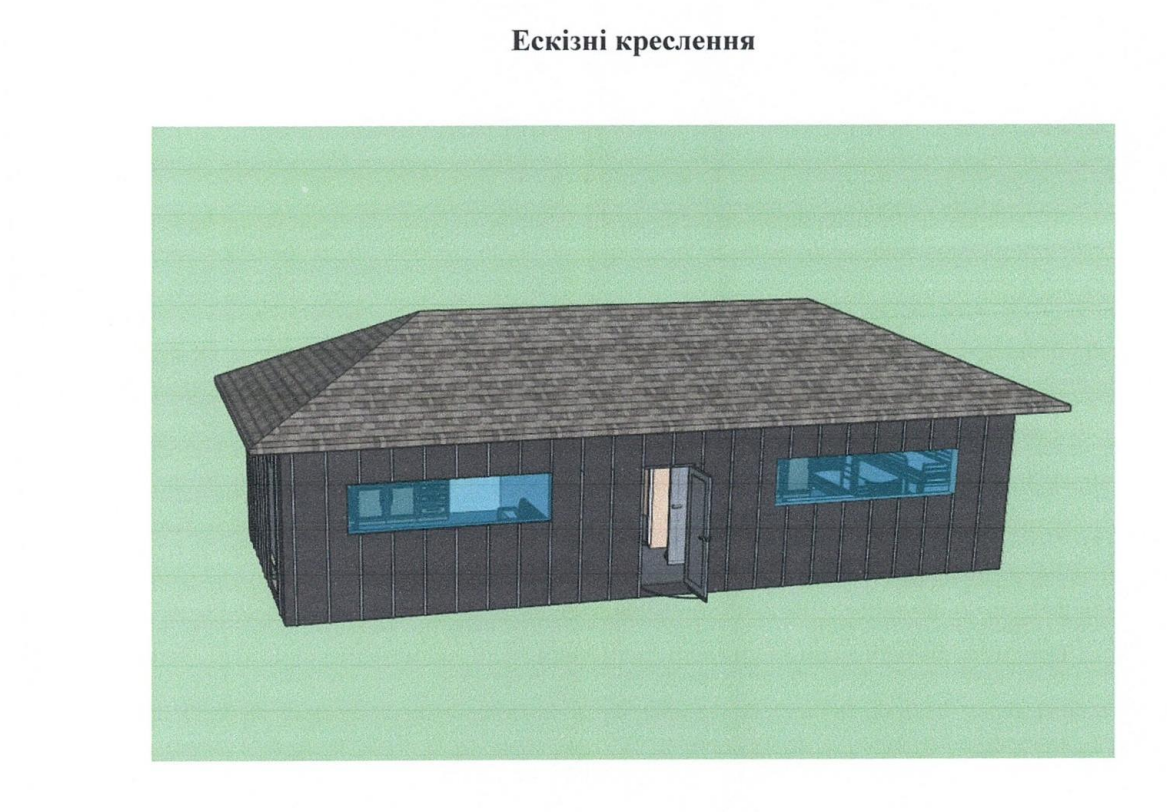
For general upkeep needs, the zoo also procured ten storage modules worth almost UAH 3 million. As the zoo explained, they will be used to store construction materials, tools, veterinary medicines, chemicals, and feed. The full-scale invasion has increased the need for such premises, as supplies have become less stable while the volume of repair and veterinary work has grown. The new modules replaced old sheds and trailers that were dismantled due to their poor condition.
The need for infrastructure repairs remains pressing. In early July, Kyiv Zoo was damaged in a Russian attack. The blast wave damaged the primate and bird department buildings, the winter garden dome, the aqua-terrarium, the hay storage facility, and the northern entrance.
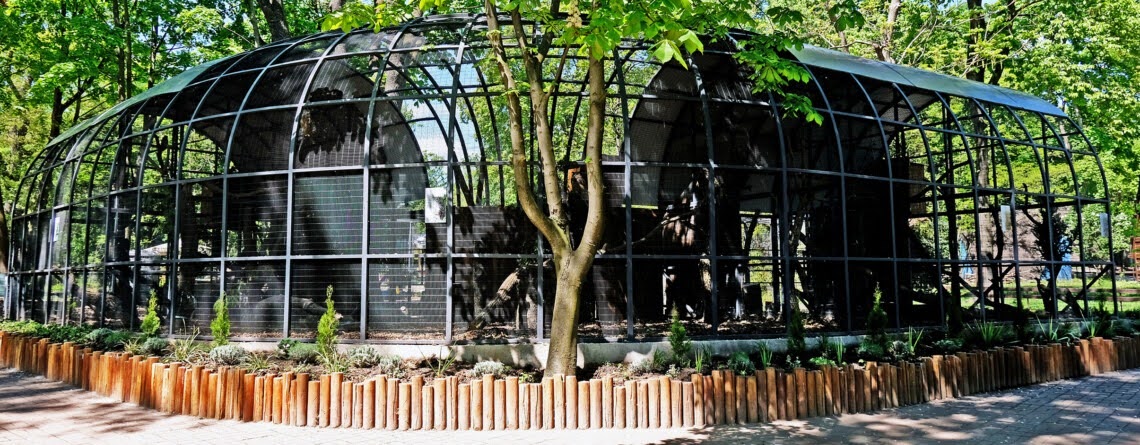
Over UAH 2.5 million more went to the construction of the Owls of Ukraine pavilion. The project involves expanding the space for the birds and setting up new enclosures and dedicated resting areas. This is likely the exhibit of the same name that has already opened. According to Kyiv Zoo, it features five species of Ukrainian owls, including two listed in the Red Data Book of Ukraine. Many of these birds were rescued and found refuge at the zoo. A 180-square-meter enclosure was built for them, recreating their natural habitat with tree hollows, branches, perches, feeding areas, and bathing pools.
Other procurements included four quick-assembly arched camping cabins of 25 square meters each, with insulation, air conditioners, and electric heaters, at a cost of UAH 2.2 million. They were purchased for the staff of the bird house. Kyiv Zoo explained that because the reconstruction is on hold, part of the bird house premises is still occupied by the primate department, while the old temporary sheds have become unusable. The cabins therefore serve as places to change, store personal belongings, rest, and eat. After the war, the zoo plans to use them in other parts of the grounds as the reconstruction resumes.
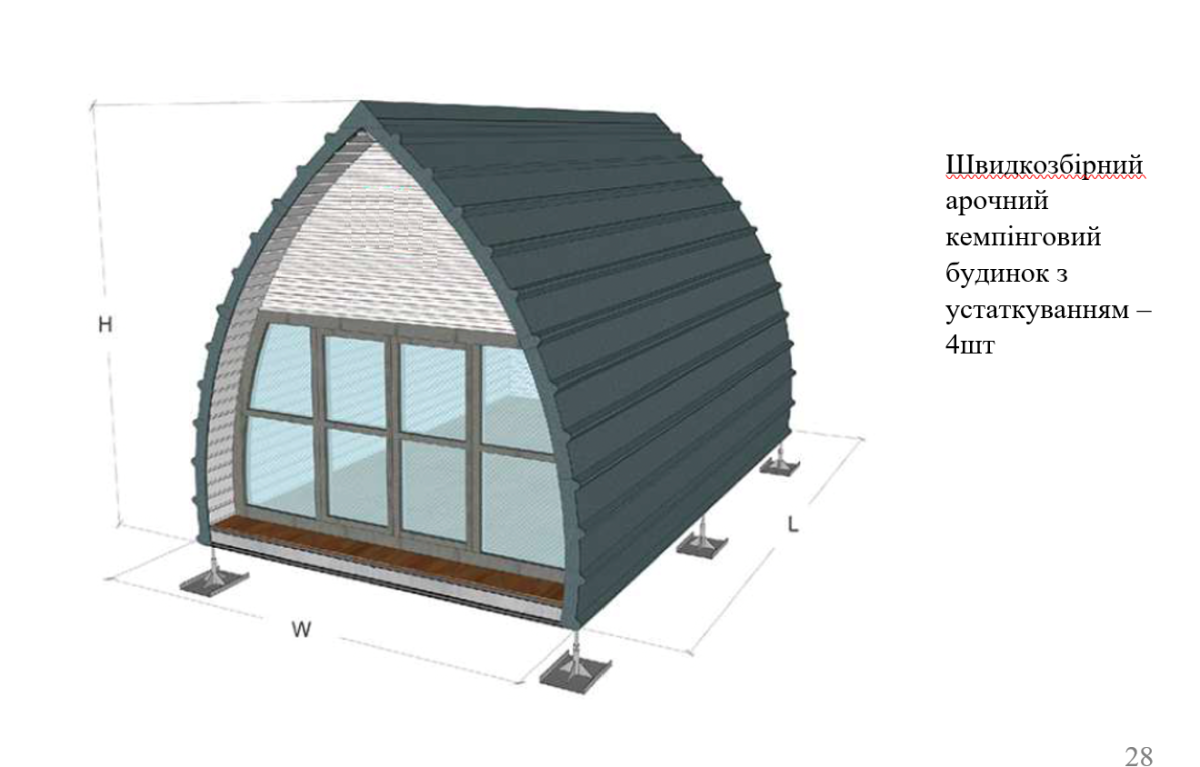
To install the camping cabins, the zoo separately contracted UAH 2.3 million to prepare the site next to the bird house building: old structures were dismantled, earthworks carried out, and a new foundation laid. Another UAH 1.3 million went to repairing the utility area next to the bird house.
Beyond infrastructure, the zoo also invested in promotion, contracting over UAH 1.7 million for an advertising campaign in the Kyiv metro.
Kharkiv Zoo
Despite its proximity to the front line, Kharkiv Zoo kept investing not only in animal upkeep but also in developing its grounds.
It repaired the lynx and wolf enclosures, reconstructed open water features with a water treatment facility and a pedestrian bridge in the South America zone, completed a monkey enclosure, and renovated the petting zoo and wooden structures.
In total, Kharkiv Zoo signed contracts worth more than UAH 81 million over the eighteen months.
And what about the others?
Other zoos also spent money not only on feed and utilities but on infrastructure development, though on a much more modest scale.
Among Mykolaiv Zoo’s most unusual procurements was the development of design and cost documentation for a new water well, at UAH 150,000. The well is meant to supply the ponds with process water from underground sources.
At Odesa Zoo, one of the largest projects was an overhaul of the heating system with the replacement of boiler equipment, worth UAH 4.7 million.
The Roshen Cherkasy City Zoo repaired the roof of one of its enclosures and renovated its warehouse, café, conference hall, kangaroo houses, and tiger enclosure. In total, over UAH 950,000 went to these works.
At Rivne Zoo, the largest construction project was an overhaul of the nutria house and its fencing, at over UAH 1 million. The zoo also repaired walkways, arranged barrier-free access to the exotarium, and procured a mini tractor for maintenance needs.
Lutsk Zoo bought a Renault Master Twin Cab truck for UAH 748,000. It also set up new animal housing: over UAH 124,000 went to a bird enclosure, and another UAH 45,000 to outdoor animal shelters.
One of the most curious procurements was a pink flamingo for UAH 240,000, purchased by Mena Zoo. This was the only procurement of an animal to expand a zoo’s collection that we found during our analysis.
What do Ukrainian zoos live on?
For our analysis, we collected the 2025 financial statements of Ukrainian zoos and sent information requests to the institutions to clarify their levels of budget funding, own revenue, and charitable donations. Not all of them replied: some zoos ignored the requests, while others simply suggested consulting the financial statements already published on their official websites.
The analysis showed that the Ukrainian zoos reviewed cannot sustain themselves on their own. Budget subsidies remain their main source of funding, while revenue from ticket sales, tours, paid services, and other commercial activities plays a supporting role.
Even Kyiv Zoo, which earned the highest own revenue among the institutions analyzed — over UAH 104 million — also drew another UAH 140.5 million from the city budget. This shows that even the country’s largest zoo is not financially self-sufficient.
Rivne and Mykolaiv Zoos also have relatively high own revenue, each earning over UAH 20 million. For Mena Zoo, Odesa Zoo, and a number of other institutions, however, budget funding is the backbone of their operations. Mena Zoo, for instance, earned roughly UAH 2 million of its own revenue while receiving over UAH 12 million from the regional budget.
Charitable donations are another possible source of funds, but their role turned out to be minor. In most cases, donations range from a few hundred thousand hryvnias to roughly one million — several times less than budget funding or commercial revenue.
Overall, the analysis shows that despite their different operating models, Ukrainian zoos remain dependent on budget funding. Even the institutions with the highest own revenue cannot do without support from local budgets, while for others, such support is effectively the basis of their existence.
The analysis of Prozorro procurements also shows that zoos spend most of their money on meeting the animals’ basic daily needs — above all, feed, as well as utilities and routine upkeep. Large-scale repairs or construction are much rarer. Meanwhile, visitors and donors can support these zoos by buying a ticket or contributing to their development.
This material is funded by the European Union. Its content is the sole responsibility of Transparency International Ukraine and does not necessarily reflect the views of the European Union.
Source: glavcom.ua


