



June 22, 2026 12:35
HQCJ Announces First Recommendations for HACC Appointments: 12 Judges for First Instance, 7 for Appeals Chamber
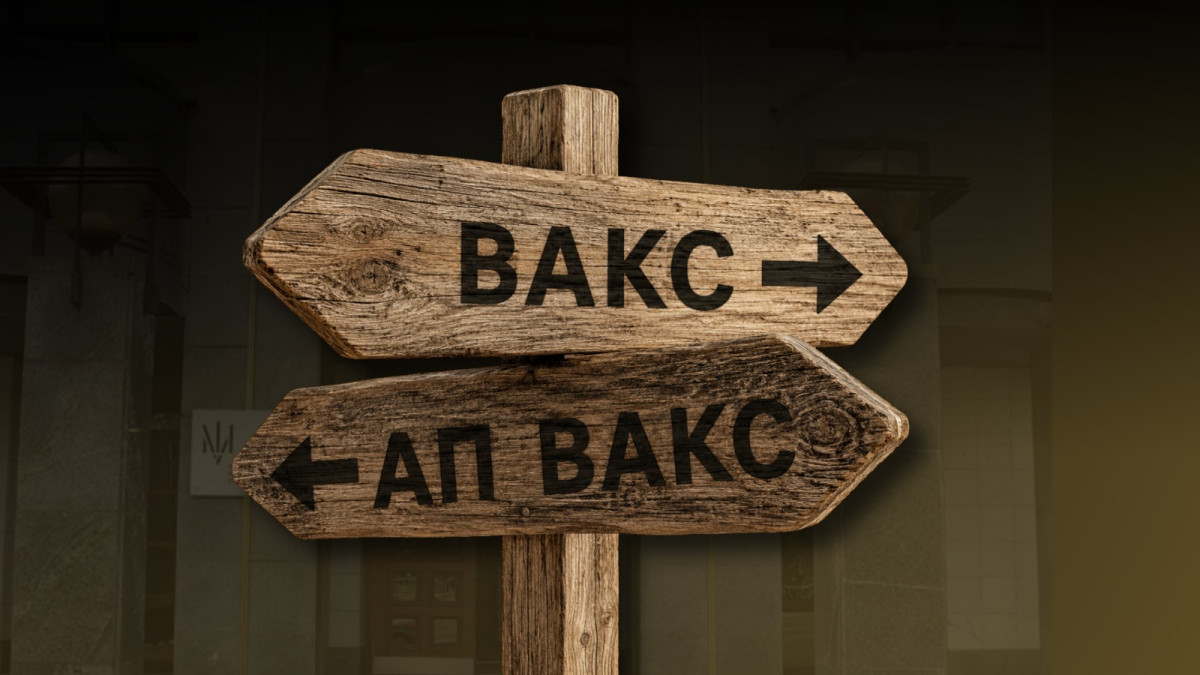
On June 22, the High Qualifications Commission of Judges (HQCJ) announced the final distribution of competition winners between the two HACC tiers.
The following seven candidates were allocated to the HACC Appeals Chamber:
- Nataliia Doroshenko
- Natalia Movchan
- Mykola Rubashchenko
- Kateryna Sikora
- Inna Smal
- Olena Tanasevych
- Ihor Chaikin
The following twelve candidates were allocated to the HACC first instance:
- Viktor Antypenko
- Oksana Hutsal
- Yevhen Didenko
- Oleksandr Dudchenko
- Denys Kovalenko
- Vitalii Koriahin
- Vladyslav Kukhta
- Mykola Pika
- Lesia Skreklia
- Iryna Teslenko
- Oleh Khamkhodera
- Marta-Mariia Yatsynina
A recess was announced regarding one candidate — Yuliia Retynska.
The session also resolved that, since the allocation of winners to the Appeals Chamber created three additional vacancies at the first-instance court, the HQCJ will compile a supplementary ranking to fill those positions with candidates Tetiana Troian and Olha Pevna, who had not yet been assigned.
The outcome of the selection process can be considered largely positive. HACC’s judicial staffing deficit stands at 23 positions. The competition will ultimately fill 7 vacancies in the Appeals Chamber and 15 at the first instance.
However, this is not yet the end of the process — the next stage lies with the High Council of Justice. The HQCJ will prepare formal appointment recommendations for all 22 candidates and submit them to the HCJ, which will then decide whether to forward nomination submissions to the President.
The HCJ may decline to submit a nomination if doubts remain about a candidate’s integrity or professional ethics, or if other circumstances emerge that could negatively affect public trust in the judiciary following their appointment.
The third HACC competition was announced in June 2025, attracting 205 lawyers, judges, and academics. Only 22 candidates passed all stages — including the Public Council of International Experts filter — and made it to the final ranking.
A detailed account of the competition process and why only 10% of candidates cleared all selection stages is available in a separate piece.
It is also worth noting that the transfer of three sitting HACC judges — Natalia Movchan, Kateryna Sikora, and Olena Tanasevych — to the Appeals Chamber may create additional complications for the cases they were handling that have not yet been concluded, as the replacement of a judge may prompt parties to seek a fresh hearing from the beginning. This approach is outdated and fails to account for modern technological capabilities; possible solutions to this problem were examined in a separate analysis.


