



March 6, 2026 12:41
Interview Notes from HACC Judge Candidate Interviews — Week Three
TI Ukraine continues to monitor interviews in the competition for positions at the High Anti-Corruption Court.
During the third week, the following candidates completed this stage of the competition:
- Ihor Omelian
- Viktoriia Kytsiuk
- Vitalii Dubas
- Oleksii Yevtushenko
- Lesia Skreklia
- Nataliia Makhno
- Oleksandr Vernyhor
- Ihor Nikitchuk
- Oleh Khamkhodera
- Mykola Pika
- Tetiana Troian
- Kostiantyn Kharakoz
- Volodymyr Bubleinyk
- Yuliia Retynska
- Serhii Syvokin
This piece highlights key points from interviews held March 2–6.
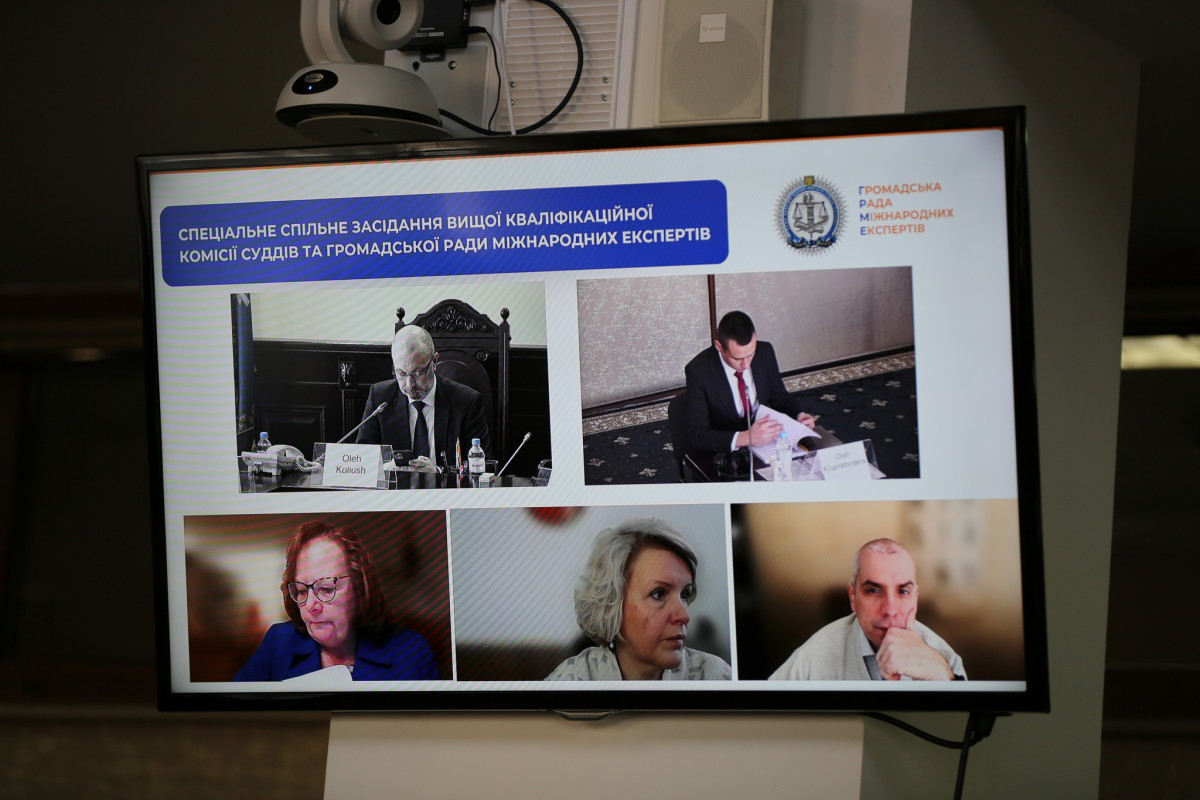
All photos—HQCJ.
This piece highlights key points from interviews held March 2–6.
Ihor Omelian
Lecturer, International European University
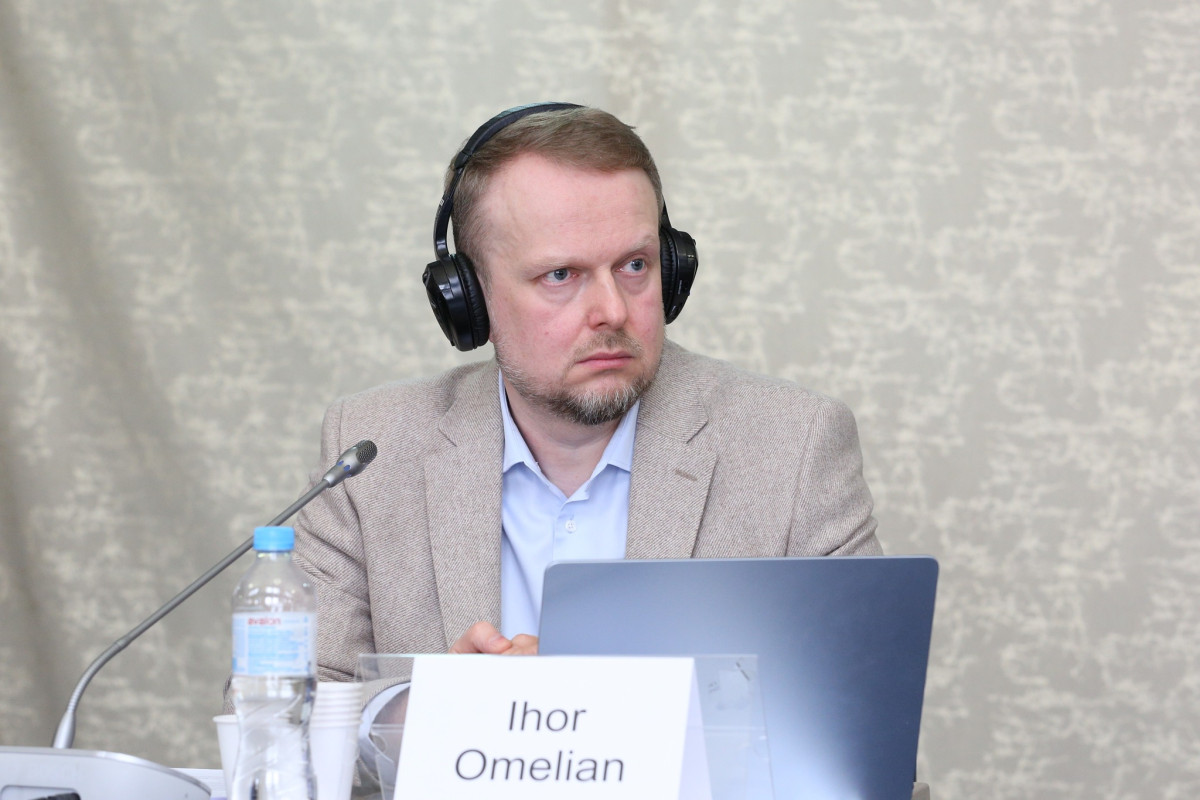
PCIE and HQCJ focused most heavily on a series of companies that the candidate had served as a director or founder of and that appeared to be set up under suspicious circumstances. TI Ukraine’s prior review found that in 2020–2021 Omelian served as director of six LLCs with foreign founders—suggesting the companies were used to obtain residence permits for foreigners outside the standard procedure. None of the companies opened bank accounts, conducted business activities, or had staff other than the candidate as director. The entities were also registered, without a clear basis, at the candidate’s apartment.
Omelian said he met these foreigners through a colleague who asked him to provide legal assistance. He ultimately confirmed that the companies were created for residence permits and that the foreigners said they “wanted to live in Ukraine and saw their business in Ukraine,” while adding that the procedure was lawful. Asked directly whether he understood the companies were not created to conduct real business, Omelian answered differently, saying the foreigners liked Ukrainian food and people, and that after moving to another country, they did not like it there. He concluded by saying he does not engage in fictitious company creation.
TI Ukraine also established that the candidate was a co-founder of PODIL AGRO INVEST LLC (charter capital UAH 4.2 billion, of which UAH 1.4 billion was in the candidate’s name) and SEA INVESTMENT GROUP LLC (charter capital UAH 560 million, of which UAH 140 million was in the candidate’s name). The panel asked how “innovative models” could have been valued by the owners at such extraordinary sums and what, specifically, made them innovative.
At first, the candidate responded in general terms, saying that “implementing them could bring the results described in the feasibility studies for those projects.” One idea, he said, concerned building an LNG terminal at a port—something that no one ever built. Another concerned using agricultural enterprises to grow export products. He said the projects failed, and that he later exited the business voluntarily, stating he had no claims regarding his billion-hryvnia stakes. Omelian was unable to explain what intellectual contribution he personally made to the purported know-how.
PCIE asked directly whether the company could have been used for money laundering or fraud—particularly because the names of these companies appear in criminal proceedings involving fraud and money laundering. Omelian responded that to do that “you would need to have money,” and he said the companies did not.
During the interview, the candidate tried to underscore his integrity. He said he could have avoided declaring a piece of property because “if I hadn’t listed it, no one would even know, because it isn’t even in the registry.” He said something similar about a repayable financial assistance (a loan) he received from his own law office: “I could have not declared it (the income—ed.), and the commission would have had no way of knowing, nor would any outside observer.”
Regarding these “loans from himself to himself,” the candidate said they were not a way to avoid paying dividends tax. Instead, he said, during a period when banks were closing he wanted to protect his money: in liquidation, he claimed, funds belonging to legal entities are paid out last, while individuals are paid first and in full.
HQCJ also questioned the candidate about his primary job since 2024 as a university lecturer. It emerged that some of the courses he teaches are not law-related, even though he has only a law degree and no academic title. Omelian explained that he took up teaching because his law office income was unstable and he wanted to understand whether he should pursue a PhD. He said he found the teaching vacancy, which provides a deferment from mobilization, through targeted advertising.
During the interview, the candidate tried to underscore his integrity. He said he could have avoided declaring a piece of property because “if I hadn’t listed it, no one would even know, because it isn’t even in the registry.”
Vitalii Dubas
HACC Judge
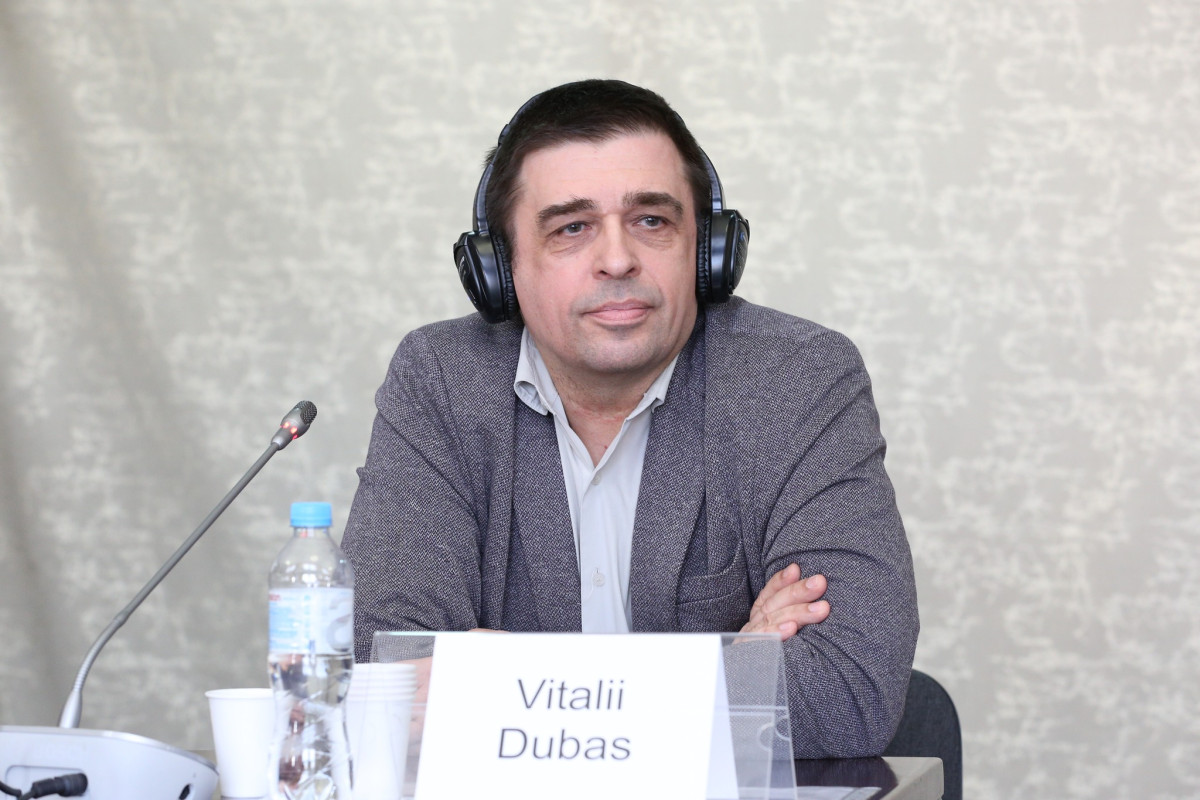
The panel asked Dubas about the controversy surrounding the criminal case involving suspected former deputy chair of the High Commercial Court, Artur Yemelianov. In that matter, Investigating Judge Dubas returned the prosecutor’s motion for an interim measure, because he believed the case fell under the jurisdiction not of HACC but of the Pecherskyi District Court of Kyiv. The HACC Appeals Chamber later overturned that decision and kept the case under HACC jurisdiction. Dubas said the Appeals Chamber should not have considered the matter at all, because the court of first instance was not the Anti-Corruption Court but a local court.
Dubas said he had made similar rulings before, but this case was particularly high-profile, which ultimately led to interference in his work. He noted that the HACC Appeals Chamber had previously held that the case belonged to HACC, but he disagreed with that approach and, among other things, unsuccessfully sought recusal on that basis.
PCIE asked whether the situation nonetheless allowed him to recuse himself. Dubas replied that every judge has the right to their own legal position and that the correctness of that position is tested through judicial review, adding: “If I issued the decision, I’m ready to be accountable for it.”
A separate topic was that the judge is a blood donor and donates on workdays. Dubas said he donates about once a month. The discussion concerned a situation where he tried to take the days off provided by law, but the court chair allegedly refused, creating an apparent conflict. Dubas said that on those days he typically continues administering justice and then “adds” the days off, for example, to a vacation period.
The interview also examined an episode in which two of the three judges on a panel (other than Dubas) issued separate opinions. This was discussed from the standpoint of teamwork. Dubas said he has extensive experience working on judicial panels and that this was the only such situation.
The panel also discussed his use of full access to the Unified State Register of Court Decisions. Part of that topic was considered in a closed session. In the open session, asked why he searched the register for his own surname, Dubas said he was reviewing appellate decisions addressing appeals of his rulings.
The interview also touched on judges’ behavior in court hearings that had been discussed on social media. Dubas said he believes that when a judge behaves like a real person, rather than “a person in a case,” it can increase public trust in the court.
The interview also examined an episode in which two of the three judges on a panel (other than Dubas) issued separate opinions. This was discussed from the standpoint of teamwork. Dubas said he has extensive experience working on judicial panels and that this was the only such situation.
Viktoriia Kytsiuk
Judge, Solomianskyi District Court of Kyiv
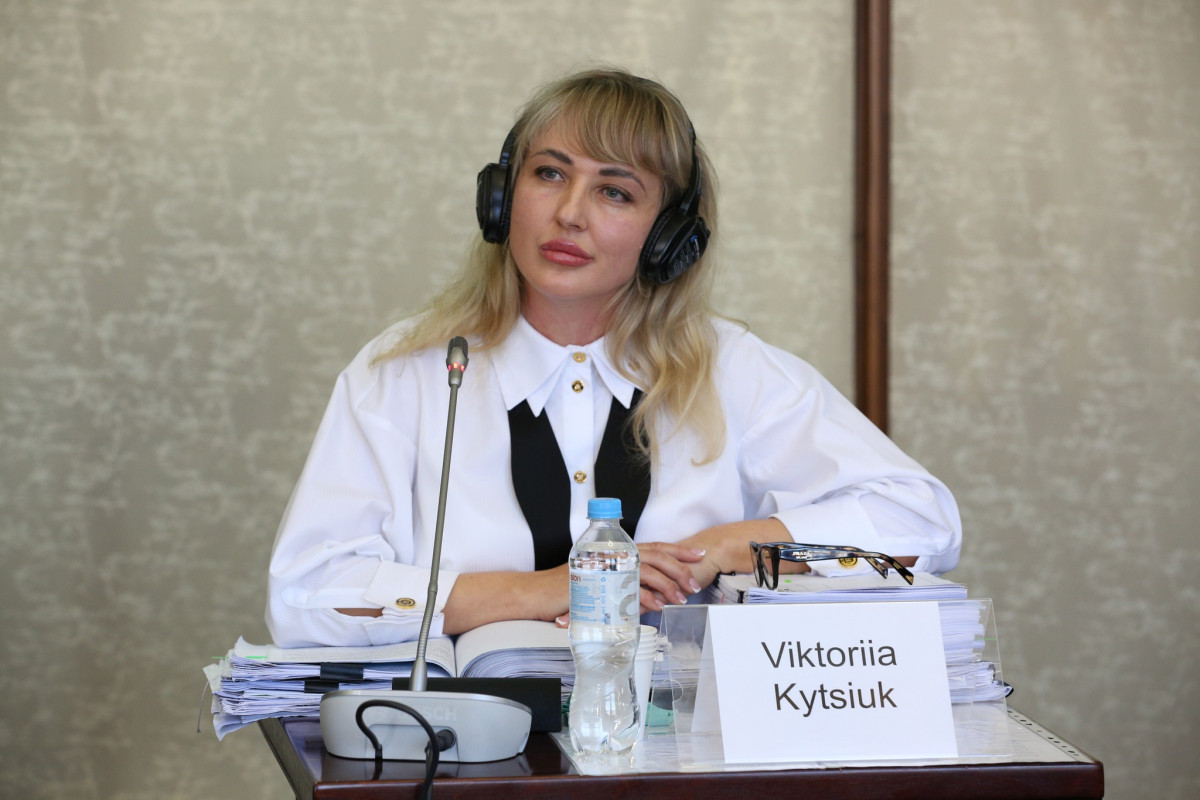
This interview largely revisited issues that had already been examined during Kytsiuk’s first participation in the HACC competition in 2018–2019. She was eliminated after a joint session of HQCJ and PCIE. The grounds were, among other things, social media posts criticizing NABU, and an episode involving an “error correction” that in practice narrowed the substance of an earlier ruling.
The key question this time was what, specifically, had changed since the previous competition and why HQCJ and PCIE should reach a different conclusion now. Kytsiuk emphasized that she should be assessed as of the present, referring to the Supreme Court’s position that integrity criteria involve a degree of subjectivity, and said she was prepared to provide explanations.
Regarding the Facebook posts, she said she had drawn conclusions from that situation and would act differently today. Kytsiuk stressed that her repost occurred after her judicial term had already ended, so she was not commenting on a matter pending before her. As for the “error correction,” she emphasized that the appellate court overturned the decision for procedural reasons—specifically, the failure to notify the pretrial investigation authority, which effectively deprived it of an opportunity to provide explanations. However, she noted that the appellate court did not find that the underlying decision had been substantively narrowed, and she focused her explanations on that point.
The interview also addressed Kytsiuk’s transfer to a court in Kyiv in 2013. A PCIE member raised the question of whether the transfer was carried out through a genuine competitive procedure, as required by law. At the time, a judge appointed for an initial five-year term could be transferred only through a publicly announced competition. However, no information about such a competition was found on the HQCJ website, and the practices of that period had previously been criticized by the Public Integrity Council.
Kytsiuk said she learned about the vacancy by comparing information on judges’ resignations and transfers. She also said that a competence review “apparently took place,” but did not provide detailed circumstances. According to her, there were four candidates for four vacancies and all were appointed. The PCIE member noted inconsistencies in her explanations regarding the nature of that check.
The interview also discussed a 2017 incident with patrol police. Kytsiuk said she does not believe she violated traffic rules and tried not to escalate the conflict. She acknowledged that she may have lacked communication skills and psychological knowledge but said she had no intention of creating a confrontation.
The key question this time was what, specifically, had changed since the previous competition and why HQCJ and PCIE should reach a different conclusion now. Kytsiuk emphasized that she should be assessed as of the present, referring to the Supreme Court’s position that integrity criteria involve a degree of subjectivity, and said she was prepared to provide explanations.
Oleksii Yevtushenko
Judge, Saksahanskyi District Court
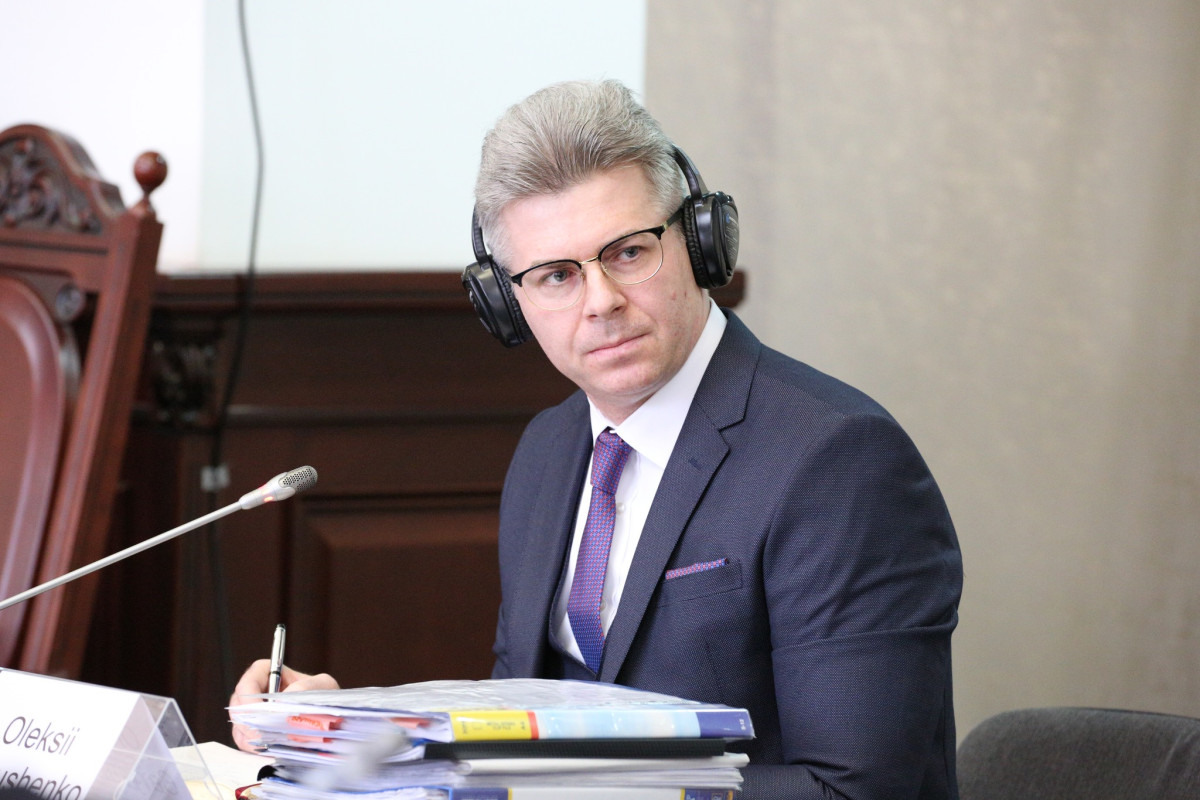
Yevtushenko’s interview began with discussion of his practical experience, including his handling of corruption-related cases. He said he does not find corruption cases difficult; for him, cases affecting people’s lives are more difficult.
PCIE asked about the privatization of a one-room apartment in Kharkiv in 2013. The experts did not understand how the candidate managed to privatize the apartment within only one year of filing an application. At the time, Yevtushenko was the chief of staff of the Kharkiv Region Court of Appeal, and PCIE found that the apartment was allocated to him by the Kharkiv City Council as an exception. It was not official housing; he applied under the general procedure used by citizens seeking housing.
The candidate was unable to recall, even in broad terms, what the “exception” was. He said he tried to obtain documents on the City Council’s decision-making procedure, but they had been destroyed after the retention period expired. He also said he learned only in 2026 that the apartment had been granted as an exception.
PCIE noted that the City Council reviewed the decision to transfer the apartment within one month—an unusually fast timeline. Yevtushenko again said he does not know why his application was reviewed so quickly, adding: “Honestly, when I applied, getting an apartment felt like winning the lottery,” and “I simply got lucky—it’s a real pity I can’t prove it.”
At the time he received the apartment, the candidate also held an ownership share in property in Chernihiv. Because of this, he said, he had to personally pay part of the privatized apartment’s value. In 2025, he sold the apartment, but said he did not intend to profit, because he used the proceeds to purchase property in his mother’s hometown.
The interview also covered a lawsuit against Kharkiv heating utilities in which the candidate was represented by his wife’s law firm. The court ordered reimbursement to Judge Yevtushenko of UAH 5,000 in legal fees. The candidate confirmed that he did in fact transfer those funds as payment to his wife’s company.
Yevtushenko also apologized for a remark he made during the interview addressed to a member of the High Council of Justice, saying that he always pays child support and that “that is the nature of a Ukrainian woman—she always pursues child support for herself.” He said the remark may have been inappropriate and that he meant something else.
HQCJ also asked about the candidate’s mobilization history. In March 2022, he contacted the Verkhovyna Center for Territorial Recruitment and began service, including in the Military Law Enforcement Service. His service lasted four months, and the panel sought clarification as to why he joined the military and whether it was intended to obtain a particular status.
On a professional question about a recent Constitutional Court decision concerning detention during martial law, the candidate was unable to say what the decision was about.
Overall, Yevtushenko appeared nervous during the interview and frequently interrupted commission members, for which he received warnings.
Overall, Yevtushenko appeared nervous during the interview and frequently interrupted commission members, for which he received warnings.
Lesia Skreklia
Associate Professor, Lviv University of Trade and Economics
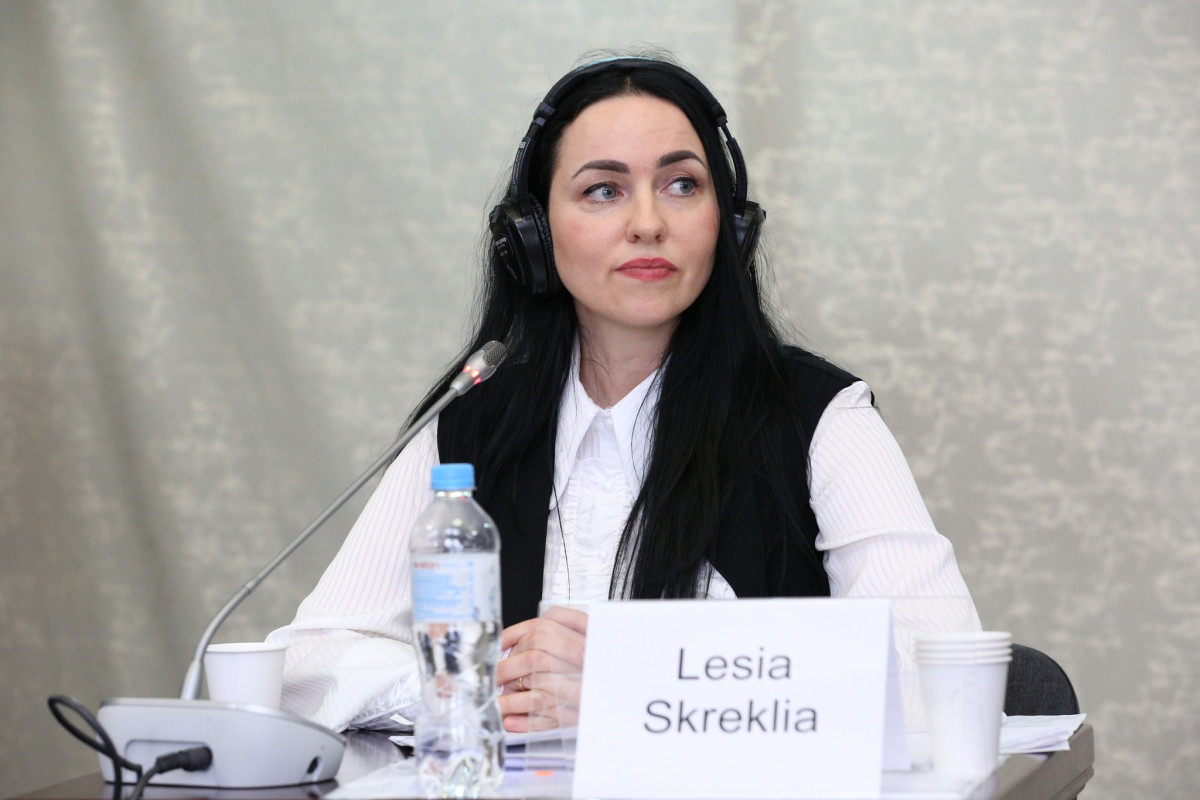
The interview began with a discussion of the candidate’s motivation to work at HACC. Skreklia said she views administering justice at HACC as the peak of the legal profession and described the court as a “court of justice” that, together with Ukraine’s anti-corruption infrastructure, can realistically reduce corruption in the country.
PCIE then asked about her husband, an investigator who won a competition for the State Bureau of Investigation in 2018. The panel asked whether she saw a risk of a conflict of interest, given that the SBI also investigates high-level corruption cases. Skreklia replied that she and her husband share the same values, so there can be no pressure; moreover, she said she would not allow it.
A substantial part of the interview was about her academic work. Experts noted similarities between her dissertation and the work of another scholar. Skreklia said she and the colleague worked simultaneously, had the same academic supervisor—Professor Viacheslav Navrotskyi—and used similar methodology. She stressed that her dissertation abstract and an article on the topic were published earlier, even though the colleague defended first. She also said the colleague asked her for the dissertation text to review. Skreklia denied violating academic integrity rules, but acknowledged that sharing her dissertation with the colleague was a mistake and said she would treat it as a lesson.
PCIE then asked about the family’s financial situation. Skreklia said she lives in her parents’ apartment in Lviv, purchased in 2016 for UAH 1.3 million. According to her, her parents earned those funds while working in Russia in the 2000s.
She also described the purchase of an apartment in Kyiv for UAH 3.7 million in 2026. She said the family had saved for 13 years and previously did not own housing. The apartment is still under construction, and the couple does not rule out selling it in the future in order to buy housing in Lviv.
In 2021, Skreklia’s husband purchased a damaged car from the United States for $9,500, and the family spent a total of $16,500 on repairs. Skreklia said the family could afford this because her husband earns a high salary.
HQCJ pointed to several inaccuracies in her declarations. Skreklia confirmed that the listed price of a parking space contained a typo (UAH 120,000). She explained differences in the dates of acquiring a share in an apartment in her and her husband’s declarations as her husband’s carelessness. She also said she unintentionally failed to report her right to practice law because she completed that section mechanically.
HQCJ also noted that in the declaration of the value of her parents’ apartment in Lviv, Skreklia selected “not applicable.” She said this was due to inexperience in completing the forms and stressed that she had no intent to conceal anything.
HQCJ further noted errors in her family ties declaration and her integrity declaration: she listed all relatives without distinction and completed the document only for 2024, even though it was required for her entire life period. Skreklia said she was unaware of the requirement.
The commission also noted that in her questionnaire she stated she had not participated in competitions, even though she is currently undergoing selection for local courts. Skreklia acknowledged that this was another mistake.
The commission also asked about sources of the family’s savings reported in her 2018–2019 declarations. Skreklia said she saved all of her own income, while the family lived on her husband’s earnings.
In closing, the commission expressed doubts about the unusually large number of her co-authored scholarly publications, which is atypical for legal research. Skreklia said such co-authorship reflected academic exchange and was not intended to artificially inflate her publication count.
PCIE then asked about her husband, an investigator who won a competition for the State Bureau of Investigation in 2018. The panel asked whether she saw a risk of a conflict of interest, given that the SBI also investigates high-level corruption cases. Skreklia replied that she and her husband share the same values, so there can be no pressure; moreover, she said she would not allow it.
Nataliia Makhno
Judge, Kolomyia City District Court, Ivano-Frankivsk Region
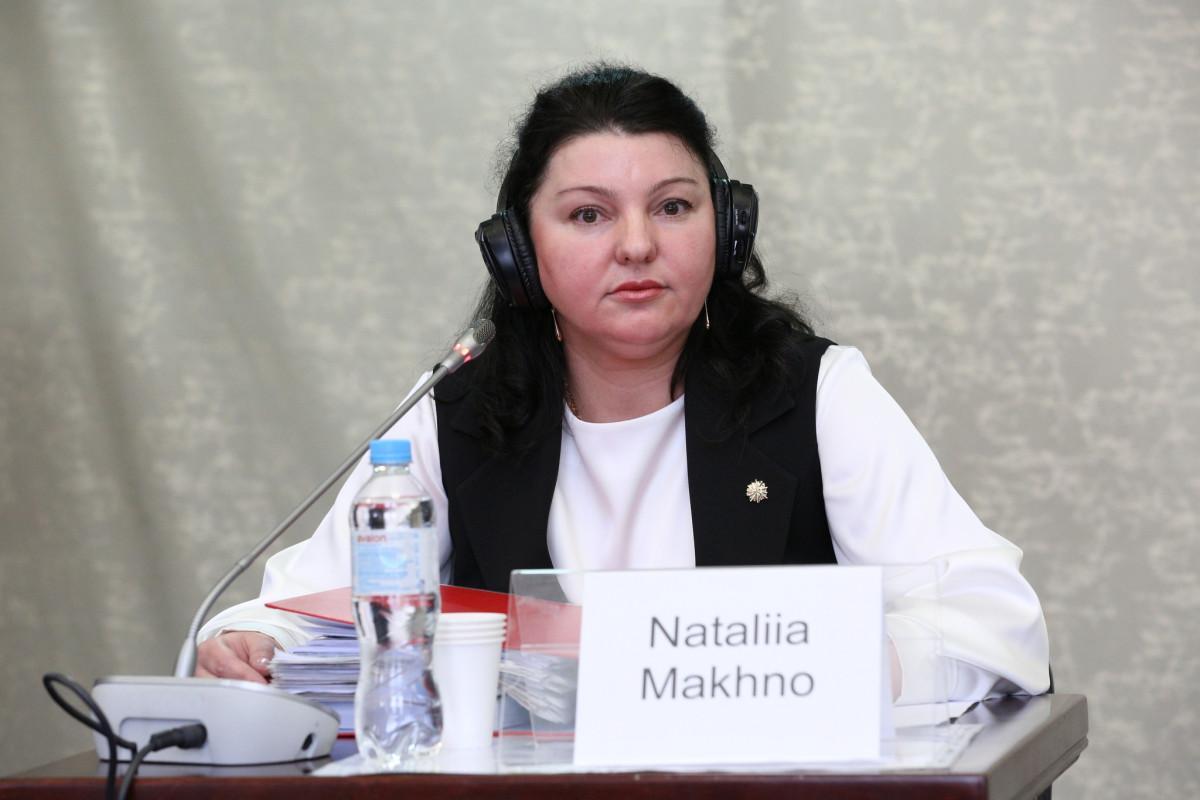
During the interview, some questions concerned the family’s finances, including her father’s work abroad. A PCIE member noted that her father had worked in France and asked about the type of work and income level. Makhno said her father was officially employed as a worker and, in her words, earned up to €2,000 per month; she added that before France he also worked in other countries.
The interview also discussed the construction of a residential house of about 140 m², built roughly 30 years ago. Makhno said it was built “by the artisanal method,” meaning by the family’s own efforts. Asked about subsequent renovations, she confirmed that repairs were made but was unable to estimate the approximate costs.
PCIE examined in detail Makhno’s purchase of a 2008 HYUNDAI ACCENT in 2017 for UAH 48,744. PCIE questioned whether the vehicle’s value may have been understated given market prices. Makhno said the car required repairs and that she used her personal salary savings to buy it. A PCIE member noted that documentation of the repairs was provided only partially. One HQCJ member remarked that at such a price it might have been more profitable for the prior owner to sell the car as scrap, which further increased doubts about whether the stated price was realistic.
A separate block of questions concerned her academic track: the commission asked why she changed both her academic supervisor and her institution. Makhno said the first institution could not form a specialized academic council due to the lack of relevant scholars, and that most of the research had already been completed by the time she transferred. At the same time, an HQCJ member pointed out that the first institution had issued a conclusion with reservations about the work’s readiness and that by the end of her doctoral studies the research had not been completed in full. This raised doubts about the consistency of her explanation for changing institutions. Another HQCJ member also noted that in those years the first institution hosted defenses on similar topics, which further undermined the claim that it was impossible to form a specialized council.
The interview also addressed Makhno’s integrity declaration. She said she had not been held liable. During the interview, however, she confirmed that a traffic ticket had been issued against her and that she challenged it; the higher authority later overturned it for lack of an offense.
The commission asked why she changed both her academic supervisor and her institution. Makhno said the first institution could not form a specialized academic council due to the lack of relevant scholars, and that most of the research had already been completed by the time she transferred. At the same time, an HQCJ member pointed out that the first institution had issued a conclusion with reservations about the work’s readiness and that by the end of her doctoral studies the research had not been completed in full.
Oleksandr Vernyhor
Attorney
During the interview, PCIE paid particular attention to the candidate’s business model. In 2024, he received most of his income through his individual entrepreneur status, which is taxed at a lower rate, while income from his independent professional activity as an attorney accounted for only about 20% of his total annual income. Vernyhor said he has the right to choose the format under which he provides services and that the law does not prohibit this. He explained that he received funds as an attorney only when a client insisted on signing a legal services agreement specifically with him in his capacity as an attorney. In other cases, he signed contracts as an individual entrepreneur, which prompted extensive questions from PCIE members.
Health-related issues, which form the basis for the candidate’s deferment from mobilization, were discussed in a closed session.
The panel also reviewed questions of Vernyhor’s tax compliance, noting that enforcement proceedings were opened against him for nonpayment of the unified social contribution. Vernyhor described this as an accounting error in his 2020 reporting (during the COVID-19 pandemic there were temporary USC payment relief measures), which the tax authority did not allow him to correct. A court ultimately upheld the tax authority’s position; Vernyhor did not appeal further and paid the assessed amounts.
HQCJ was interested in the candidate’s successful track record of challenging tax authority decisions through the administrative (out-of-court) appeal procedure, especially given his prior work in the tax service. Because such complaints have a low success rate in Ukraine, the commission asked what explained his results. Vernyhor said he simply prepared strong legal reasoning against decisions that were plainly unlawful, and he categorically denied exerting any influence on former colleagues.
As for potential ties to the Nash Krai party, election commission data listed Vernyhor as a member of an election commission nominated by that party (his full name and taxpayer number matched). The candidate said he had never served on such a commission and had not participated in elections at all, suggesting he may have been added to lists by mistake without his knowledge.
The panel also reviewed questions of Vernyhor’s tax compliance, noting that enforcement proceedings were opened against him for nonpayment of the unified social contribution. Vernyhor described this as an accounting error in his 2020 reporting, which the tax authority did not allow him to correct. A court ultimately upheld the tax authority’s position; Vernyhor did not appeal further and paid the assessed amounts.
Oleh Khamkhodera
Servicemember
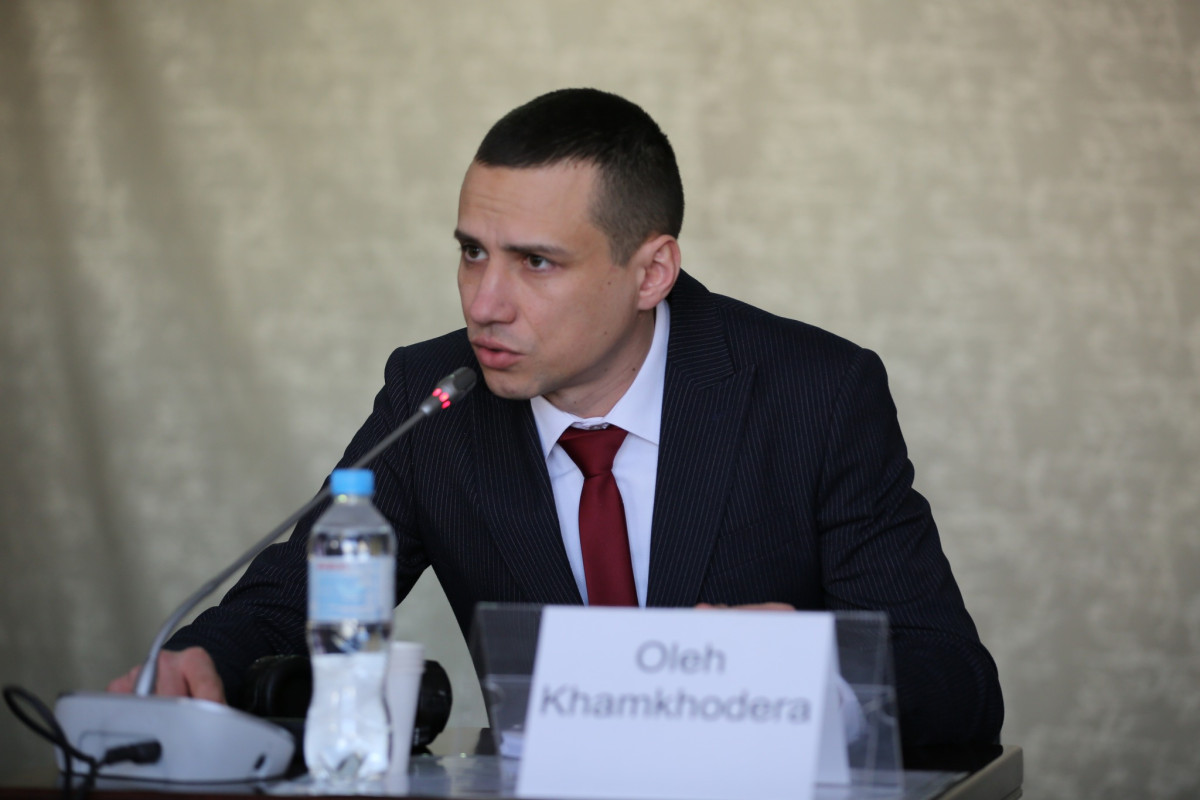
The interview opened with questions about Khamkhodera’s academic work on corruption. He said the topic of his PhD dissertation largely concerned preventing and combating corruption, including conflicts of interest in public service. His academic supervisor was the infamous Serhii Kivalov. Khamkhodera emphasized that their interaction was strictly limited to academic work—discussing research issues—and that there was no personal relationship between them.
PCIE also asked about his work as an attorney. Khamkhodera said that since 2020 he has not, in practice, represented clients in court; he has only occasionally helped colleagues and has mostly provided pro bono consultations. He said his criminal law experience came during military service, when he served as head of a military unit’s legal service. In that role, he represented the unit’s interests, including in cases involving damage to military property.
PCIE separately asked about his political connections. In 2019, Khamkhodera provided legal assistance to a parliamentary candidate. He said he did so pro bono for two weeks while on leave, because he had previously been that candidate’s teacher. He said the relationship ended after the election.
Another question concerned criminal proceedings against the candidate’s brother, who is accused of accepting a bribe while in military service. Khamkhodera said he is not involved in his brother’s defense and does not provide advice in the case. In his view, the proceeding would not affect his ability to be an impartial HACC judge.
HQCJ noted that the candidate submitted essentially the same motivation letter for competitions to administrative courts and to the HACC. Khamkhodera confirmed that the administrative-court letter was prepared based on his HACC letter because he had limited time.
The commission also asked why his dossier contained no recommendations despite 15 years of professional experience. Khamkhodera said he did not ask colleagues for recommendations because he was uncertain whether he would be able to prepare fully for the competition while on active military service.
Another question concerned his membership on an election commission in 2012. He said he represented a political force but could not recall which one. He added that he joined the commission out of professional interest rather than political motives.
HQCJ also asked again about his connection to Serhii Kivalov as his academic supervisor. Khamkhodera reiterated that the relationship was strictly professional and that he has no other relationship with Kivalov.
In closing, the candidate said he believes his knowledge and skills are sufficient for work at the HACC. He emphasized experience working with legal documents, analyzing case law, and preparing academic materials on certain corruption-related offenses, as well as additional practical experience gained during military service.
Ihor Nikitchuk
Attorney
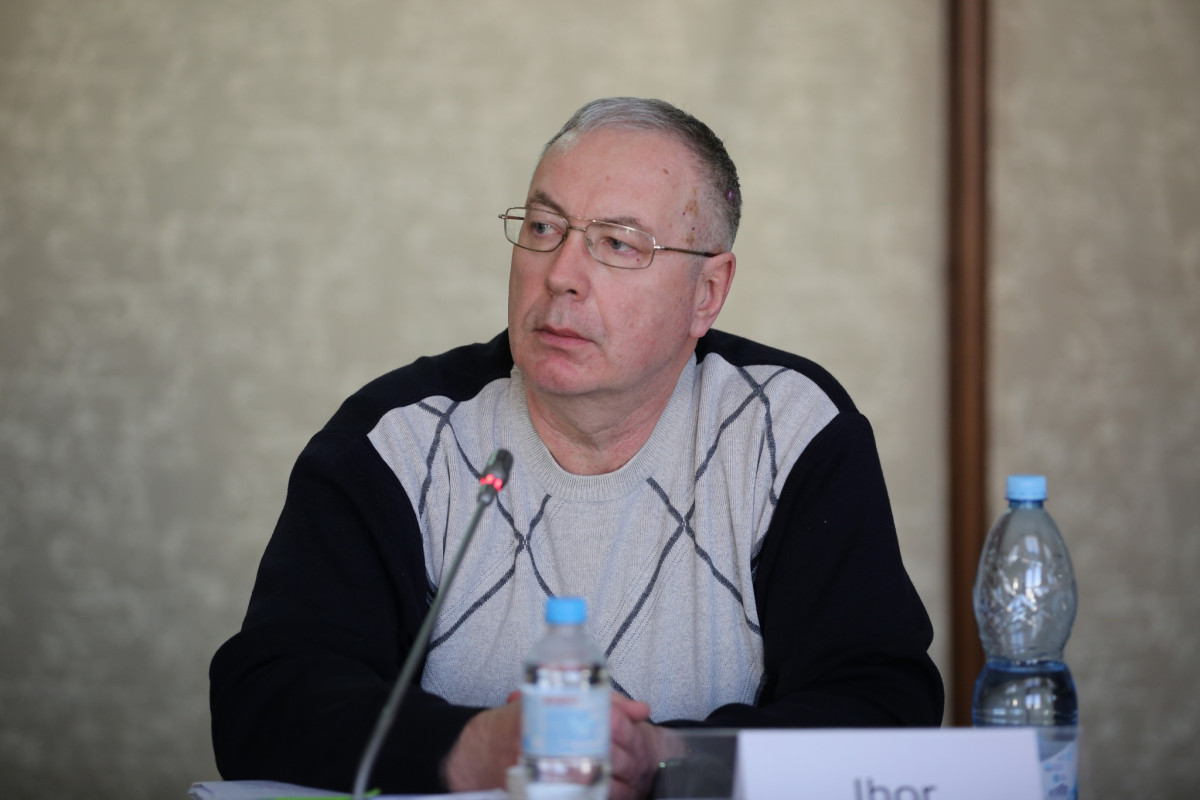
Nikitchuk’s interview began with discussion of his professional background and the legal company he founded and ran for about ten years, until he was forced to halt operations due to the full-scale invasion.
PCIE was interested in the company’s financial model, particularly the fact that Nikitchuk, as director, received a relatively low salary and did not report other income. He said that he effectively provided legal services free of charge in the interests of the enterprise, and that he often worked pro bono in exchange for services or loans from other companies. He stressed that he does not view himself as an entrepreneur, but rather as a professional for whom stability and the ability to help people matter more.
PCIE noted that some of the clients for whom he provided pro bono services were large companies with sufficient resources to pay for legal assistance. Nikitchuk said he took on those cases out of professional interest, not financial motivation. He said he has now sold his stake in the legal company and currently works as a self-employed attorney; he added that these changes would be reflected in his 2025 declaration.
A significant set of questions concerned Nikitchuk’s finances. PCIE asked about his purchase of a Toyota in 2008. The candidate confirmed that the vehicle was new and purchased entirely with loan funds, which he repaid through 2016. Asked how he serviced the loan with relatively modest income, he said his family lives very frugally and did not purchase real estate or other significant assets.
The interview also covered Nikitchuk’s connections with Ukrainian politician and businessman Andrii Tabalov. Nikitchuk said the relationship was client-based: he represented Tabalov as a lawyer, including during election campaigns. According to the candidate, after he decided in 2011 to participate in judicial competitions, the relationship ended.
PCIE also noted the candidate’s political activity, including his participation in the 2015 local elections from the Nash Krai party. Nikitchuk said this reflected a desire to contribute to community development in the context of Russian aggression after the events of 2014.
Discussing his motivation to become a judge, Nikitchuk said his main driver is participation in the fight against corruption. He described his work in customs authorities in the early 2000s, when he said he was offered bribes in exchange for not pursuing liability in a case involving suspected smuggling. He said he refused and drew up a report, although he did not report the offer of an improper benefit to law enforcement because there were no witnesses.
HQCJ also pointed to tax authority information indicating that Nikitchuk’s total taxable income over 27 years was only UAH 1,341,000. The candidate said he had no other sources of income and that the figure was accurate. He also said that in 2019 he sold a land plot and a garden house for a relatively small amount because he needed funds for current expenses at the time.
In closing, HQCJ asked what guarantees there were that he would not later shift from a judicial career into politics. Nikitchuk said the guarantee is his judicial oath and his word, emphasizing that he sees his vocation in administering justice.
Mykola Pika
Attorney
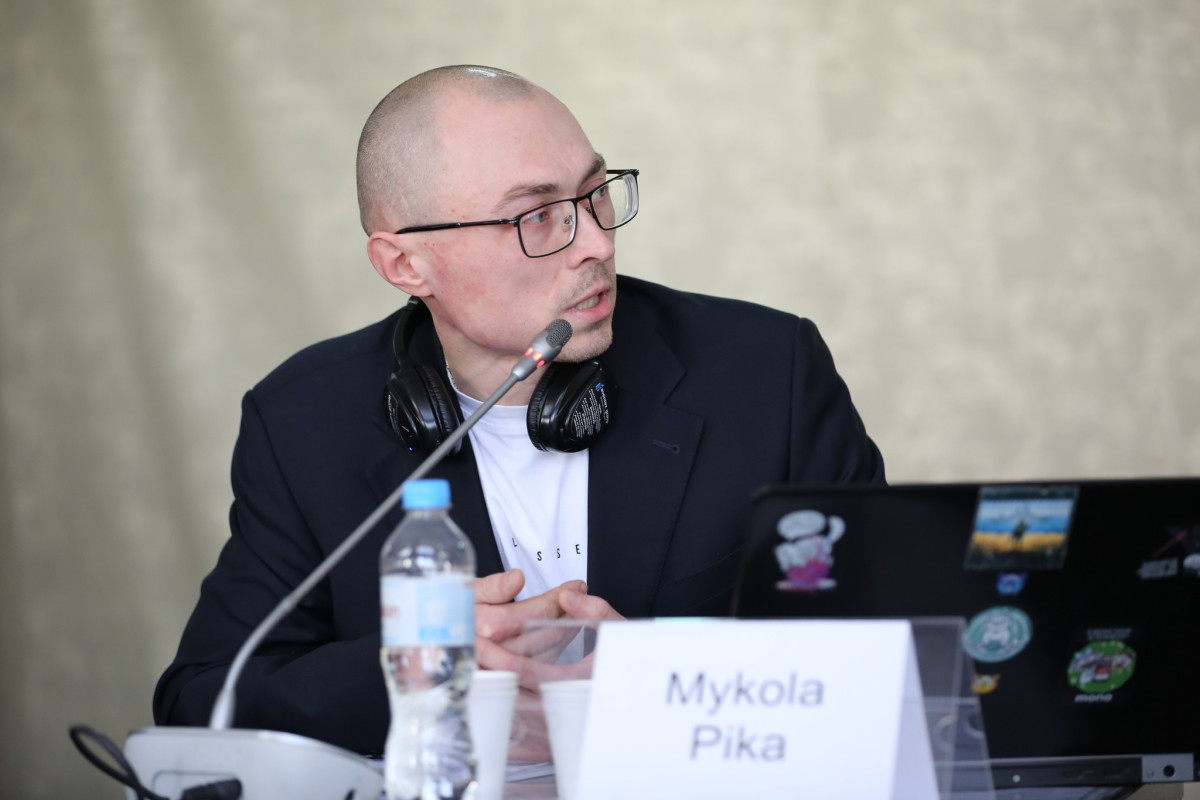
During Mykola Pika’s interview, a significant portion of the questions concerned his professional experience, asset declarations, and several complaints filed against him during his legal practice.
The panel first examined the circumstances of a lawsuit in which a military unit sought to recover funds it alleged had been overpaid to the candidate as a servicemember. At the initiative of the presiding commission member, further discussion of this issue took place in closed session. Open sources indicate that the court of first instance dismissed the claim.
The interview also addressed Pika’s asset declarations. One HQCJ member pointed to inaccuracies in earlier declarations, including information about his place of residence and registration. The candidate acknowledged these deficiencies and said they stemmed from the fact that he was filing a declaration for the first time. He said he provided explanations to the NACP and corrected the information in his 2025 candidate declaration.
The interview also discussed complaints filed with the Qualification and Disciplinary Commission of the Bar. Three complaints were reviewed. The first concerned an alleged disclosure of medical information. Pika said that in the relevant matter, the medical circumstances were part of the factual narrative in a statement submitted to law enforcement, and he therefore did not consider this a disclosure of medical confidentiality. The second complaint was filed by an expert witness against whom the candidate, as an attorney, submitted a statement alleging a knowingly false expert opinion. The third complaint came from a client who alleged she had lost contact with her attorney and that he refused to address an alleged error in a court decision. Pika said he fulfilled his obligations within the scope of the legal aid mandate, and that the client did not formally withdraw from his services. In his view, however, there was no error in the court decision at issue.
Tetiana Troian
Judge, Sosnivskyi District Court of Cherkasy
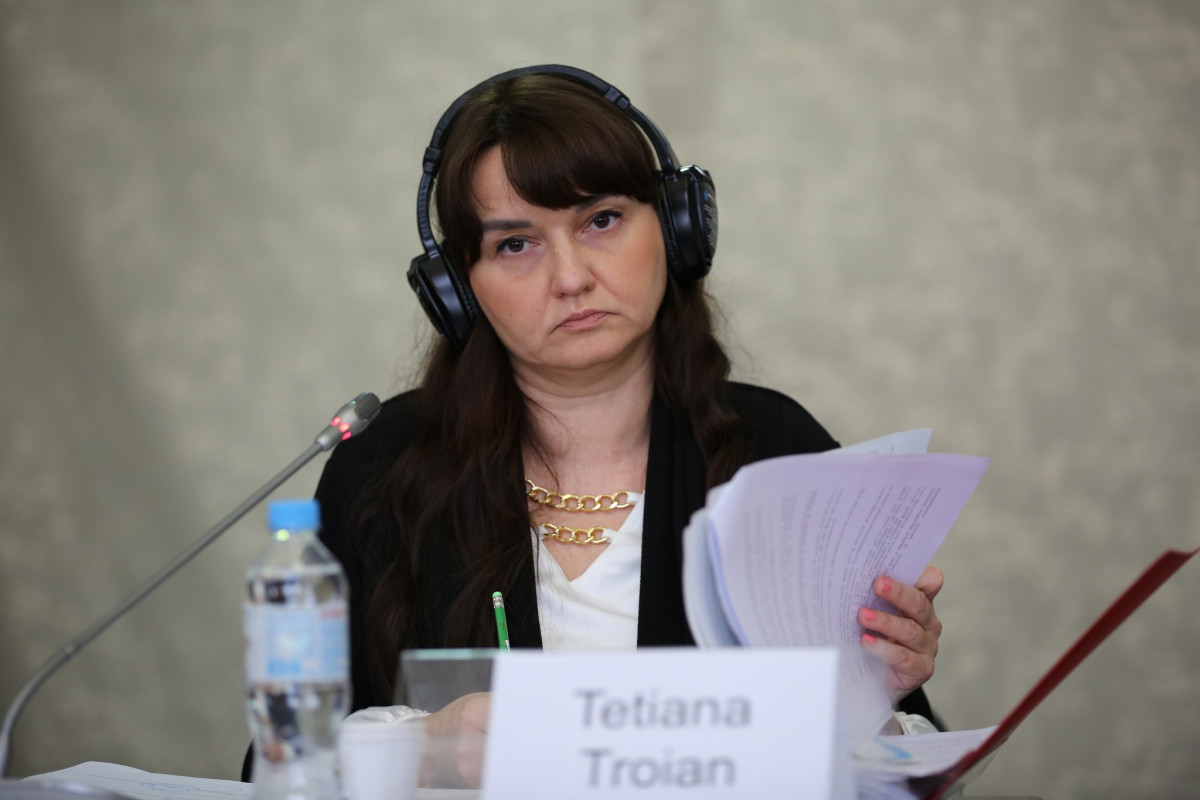
The panel asked Troian about her work focus at the Sosnivskyi District Court in Cherkasy and about her most complex criminal case. Troian said she handles criminal, civil, and administrative matters and also serves as an investigating judge. She said she could not single out one “most difficult” case, but noted that she has handled corruption-related cases.
Troian described the difference between the HACC and a local court as involving more complex, voluminous, and structured cases requiring deeper analytical work. For that reason, she said she views work at the HACC as professional evolution and prioritizes this competition.
The property-related questions centered on a vehicle and a loan. A new Nissan Qashqai was purchased in 2011 for UAH 216,000 in cash. Troian said the funds came from the sale of a prior vehicle, savings, and a UAH 64,000 loan that was repaid early.
In 2024, Troian’s husband sold the same vehicle, also for cash, to the judge’s mother for UAH 276,000. Troian said her mother could afford this due to a pension of about UAH 5,000 and social payments to her husband, a miner, in the amount of UAH 20,000–25,000. Asked why the sale price was so low, Troian said the price was determined through an MIA Service Center valuation, but she could not provide documentary confirmation.
The question arose in part because, a year later, Troian’s mother sold the Nissan Qashqai for UAH 487,000. Troian said the later sale was to third parties and that the new buyer agreed to that price.
A number of questions concerned a $26,000 housing loan that Troian did not repay after 2014. She said she took out the loan in 2005 for housing in Donetsk and moved into that home in 2006. With the start of the ATO, she and her family had to leave and lost access to the home. She was asked why she did not repay the loan earlier even though she had more than $40,000.
Troian said that after 2014 she had to rebuild her life, so she used funds to purchase new housing in Cherkasy. In 2024, she said, the bank canceled the $26,000 debt under a special program for people who lost housing due to hostilities. She said the program was available to everyone in that situation and that after 2014 she repaid only $10,000 to the bank.
Troian also confirmed that she used full access to the court decisions register to track whether the bank might file a lawsuit over the loan she had not repaid for 10 years. In addition, she said she once searched for her own surname in connection with the HACC, although no decision was opened or filtered; she suggested it may have been an accidental search.
An HQCJ member asked why, among the three searches she conducted (other than her own name), she also entered the surname “Riznyk” (the surname of a figure in an ARMA-related corruption case). Troian responded that she may have been reviewing HACC practice.
The interview also addressed the fact that Troian did not list her minor daughter in her declaration; she acknowledged this and said it was a mistake/typo.
Her competency check on HACC-relevant issues was not successful. The candidate was unable to correctly answer questions about when an offer of an improper benefit and extortion of an improper benefit should be legally classified as such.
Kostiantyn Kharakoz
Judge, Economic Court of Donetsk Region
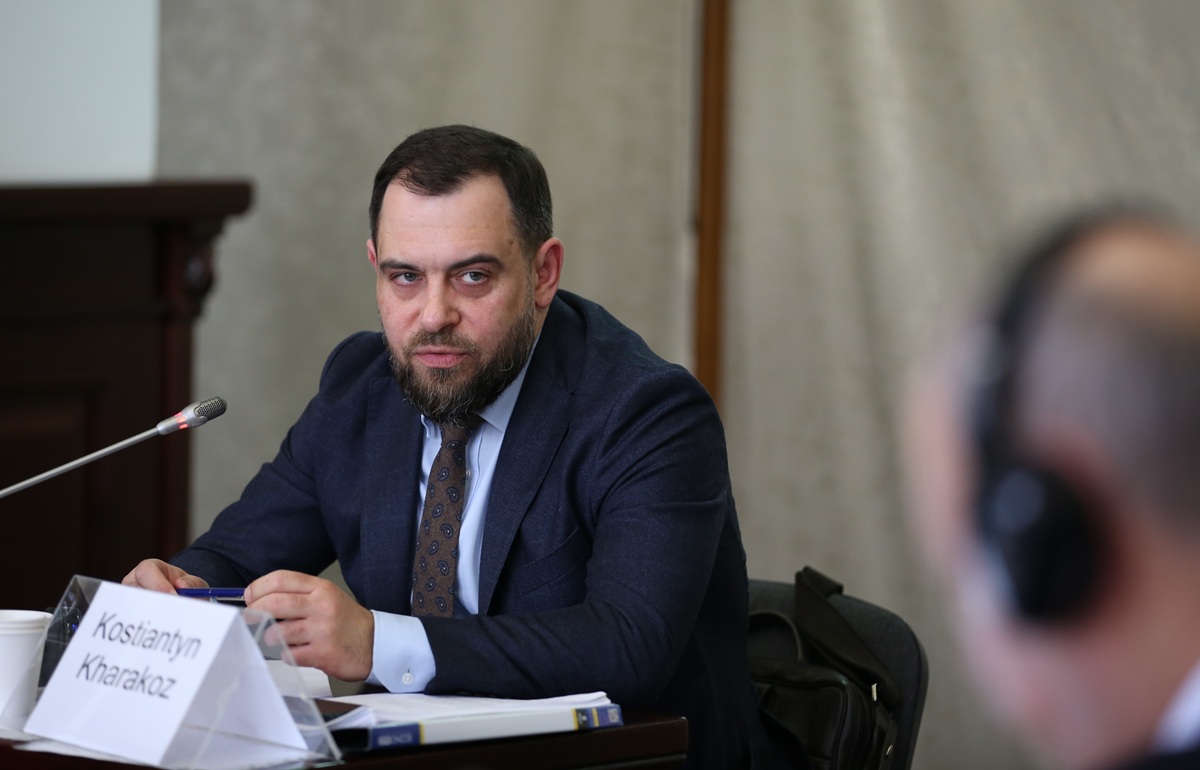
The interview began with a discussion of the candidate’s professional background. Kostiantyn Kharakoz has served as an economic court judge for more than 10 years. Before his appointment to the bench, he practiced as an attorney. He said his main specialization was corporate and financial legal relations, and that litigation accounted for about 30% of his overall work.
PCIE asked specifically about his experience with corruption-related matters. Kharakoz said that neither as a judge nor as an attorney had he directly handled such cases. He explained that he works within economic jurisdiction, where these categories of cases are not heard. At the same time, he said he considers himself ready to serve as a HACC judge because his years on the bench have developed skills in impartiality, objective assessment of evidence, and decision-making.
A substantial block of questions concerned the candidate’s trips to Crimea and Donetsk after the start of Russian aggression in 2014. Kharakoz said that in 2014 he left Donetsk with his family for security reasons and spent some time in Crimea using a previously purchased travel package. He said it was not a vacation, but an attempt to find a safe place for his family. He confirmed that in 2015 he traveled to Donetsk for a few days to collect belongings, and in 2016 to attend a funeral. Asked by HQCJ whether he understood in summer 2014 that Crimea was already occupied, the candidate said that at the time he perceived the events as temporary.
A separate part of the interview addressed assets. PCIE noted that the candidate declared a significant number of high-value items, including expensive watches and jewelry, as well as a $70,000 “loan” to his father. Kharakoz said the items were purchased using income earned during his private legal practice.
Regarding watches costing several thousand dollars, he said he bought them during the period when he had high earnings as an attorney. In his opinion, such purchases were partly an element of professional presentation, because in the legal environment appearance and status markers can sometimes be perceived as evidence of professional success. He added that one of the watches was a gift from friends.
As for the “loan” to his father, Kharakoz said he was effectively placing his own funds in his father’s custody in a bank safe deposit box after his apartment was burglarized. He said they did not sign a formal contract because it was a family arrangement. After his father became ill, part of the funds were spent on treatment, and after his father’s death, about $50,000 remained with the candidate’s mother.
The interview also addressed the candidate’s connections with certain individuals who, according to open sources, may have been linked to the Party of Regions. One example involved his acquaintance Oleksii Balabanov, whom Kharakoz assisted with vehicle paperwork by issuing a power of attorney. Kharakoz said he did so as a friend, not as a judge, and that he was unaware of any political activity; he suggested it could have been a different person with the same name and date of birth.
Similar questions arose about another acquaintance from whom Kharakoz rents an apartment and who was also reported to have ties to the Party of Regions; the candidate said he did not know about those ties.
Toward the end of the interview, HQCJ asked the candidate several questions about professional preparedness. For example, he was asked to identify the most significant recent changes in criminal procedure, but he said he could not determine which changes were the most fundamental.
Volodymyr Bubleinyk
Attorney
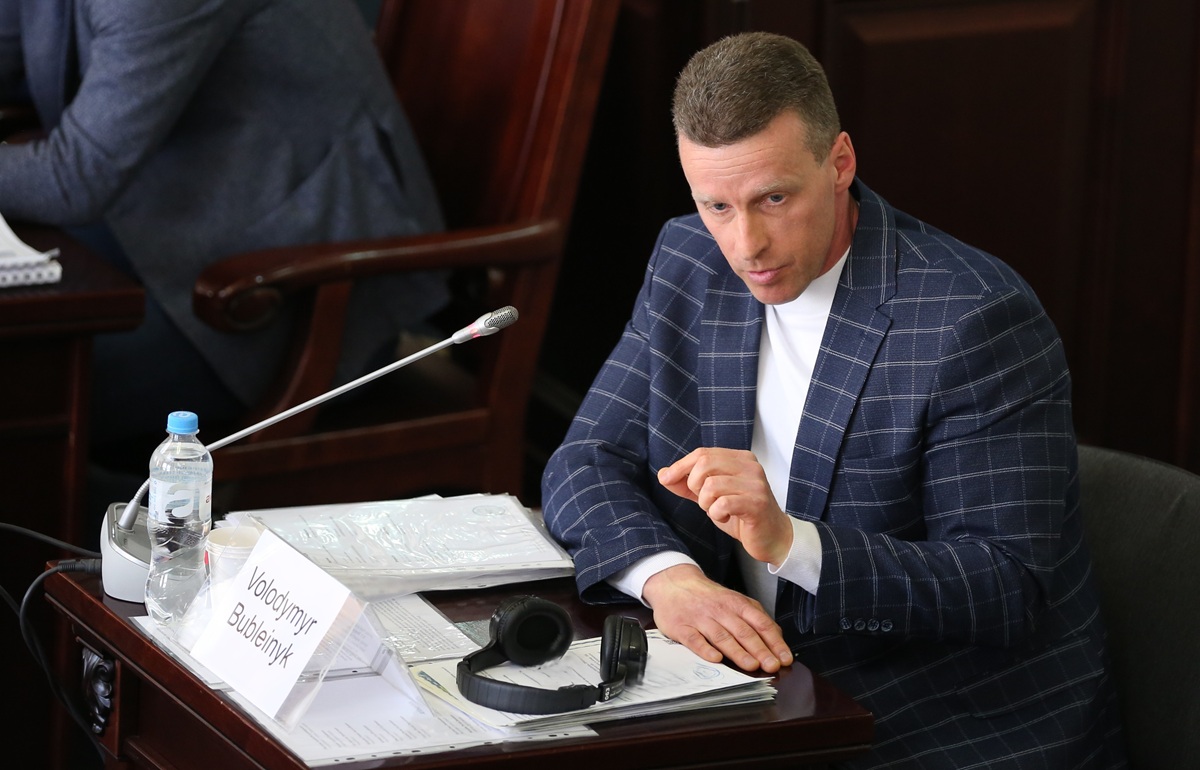
Bubleinyk’s interview began with a question about his solar energy installations. The candidate asked that the issue be discussed in closed session, but PCIE and HQCJ denied that motion.
The first set of questions concerned the candidate’s real estate on which solar panels are installed, allowing Bubleinyk to generate electricity and sell it under the “green tariff.” He said he earned about $500,000 from supplying such energy.
PCIE noted that the candidate became the owner of around a dozen houses in a small locality, seven of which were transferred to him free of charge by the local council. Bubleinyk said the houses had effectively no market value because the street was almost uninhabited. He said the local council wanted an owner who would begin paying local taxes and develop alternative energy projects. According to him, there was no special program or competition: he said the initiative came from the village council, which approached him with a proposal to invest in solar power stations.
HQCJ was unable to establish the specific reasons for the council’s proposal, noting that, based on the commission’s information, the properties were privatized by Bubleinyk in 2002–2003—before the “green tariff” existed and even before legislation on personal income tax and related matters.
HQCJ also sought clarity on the legal grounds on which he acquired ownership of seven real estate objects. The candidate said he did not know the legal details and that the local council handled the paperwork. He added that if he had paid for the property, he would have checked all the details, but since the properties were transferred for free, he only paid taxes. HQCJ also raised the issue of land use under these properties. Bubleinyk said the land belongs to the local council and that he did not formalize any rights to it because he did not consider it necessary, although he pays periodic charges assessed by the council.
The interview also addressed how the solar power stations were launched. Bubleinyk said he carried out construction work together with his brother, including installing supports and mounting structures for the panels. His brother, who has relevant training, connected the equipment to the grid. According to the candidate, an energy company commissioned the stations free of charge. He was unable to provide receipts showing the cost of the equipment.
PCIE also noted that the candidate did not list the solar panels and other equipment as movable property in his declarations. Bubleinyk said he could not determine their current value due to wear and depreciation. In his view, the equipment had already lost its market value, which is why he did not include it.
During the interview, PCIE asked the candidate to imagine an analogous scenario in a criminal case: a business with substantial income but no documents showing the equipment’s value or the source of funds. Bubleinyk responded that he would first analyze the legal framework, including issues related to tax agents, and said he believes that at the time he created the solar stations, the activity was lawful.
Another block of questions concerned real estate in Georgia. According to state registries, the candidate issued powers of attorney for managing apartments there. Bubleinyk said that in 2016–2017 he invested in a real estate project through a Georgian company under an agreement that, he said, combined elements of purchase and investment. The project did not materialize, and for several years he tried to recover the invested funds. In 2024, he said, he recovered about $30,000 after the apartments were sold. He said this amount was not reflected in his declarations because in 2023 he was not subject to the declaration requirement, and by the end of 2024 he no longer owned the properties.
PCIE also asked about his 2019 trip to the Russian Federation. The candidate confirmed the visit and said it was for family reasons: his mother lives in Kursk Region, and he traveled there at her request to tend relatives’ graves. He said he interacted only with border and customs officials during the trip and has no ties to Russian state bodies.
While discussing the construction of the solar stations, PCIE also asked about the origin of the equipment. Bubleinyk said he purchased some materials at markets, obtained inverters from private individuals or online, and that some equipment was used. He said he has technical passports for some items, but not all purchases were supported by receipts.
Toward the end of the interview, HQCJ raised an administrative case involving alleged traffic violations in which it was stated that the candidate did not stop when ordered by police, increased speed, and refused testing. Bubleinyk explained this as a conflict with traffic police officers, who he said had previously been his students. According to him, the case ended with the court not imposing liability.
In closing, the candidate expressed hope that in the future HACC would become unnecessary because, in his words, he would like there to be no corruption cases left in Ukraine for the court to hear.
Yuliia Retynska
Judge, Zavodskyi District Court of Zaporizhzhia
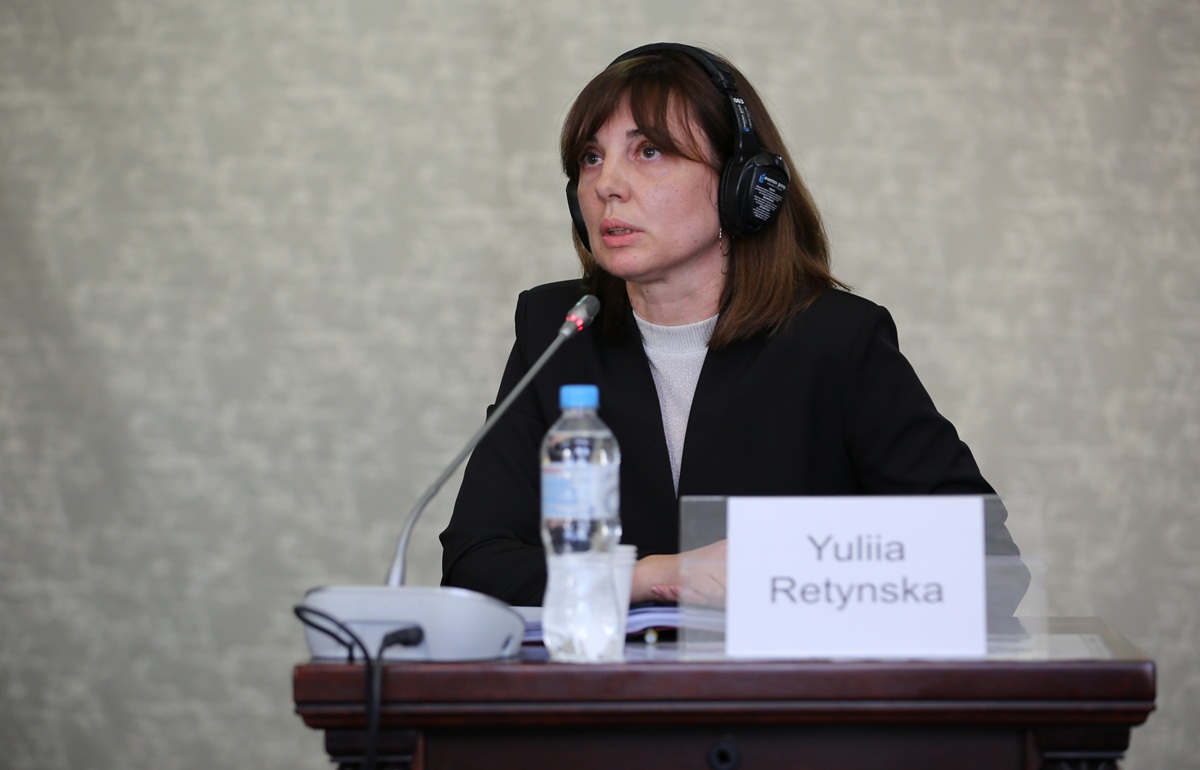
Retynska’s interview began with a discussion of her motivation to participate in the HACC competition. She said she has served as a local court judge for 13 years and views the competition as an opportunity for professional and career growth. She said she is drawn to complex cases of public interest and to the narrower specialization that work at HACC entails.
PCIE asked about her experience in criminal proceedings, including corruption-related matters. Retynska said that in a local court she handles different categories of cases and serves as both an investigating judge and a juvenile judge. At the same time, she said she has in fact had only one criminal case involving a corruption offense.
A separate block of PCIE questions concerned administrative cases under Article 130 of the Code of Ukraine on Administrative Offenses (driving under the influence) that were closed due to the expiration of the time limit for imposing liability. PCIE pointed to 11 such cases. Retynska said that at the time, the limitation period was only three months, and cases often reached her at the end of—or after—the limitation period. Sometimes only a few days remained, making proper notice of the hearing impossible.
PCIE also asked about her use of full-access logs in the Unified State Register of Court Decisions. Retynska confirmed there had been such use. She said full access made it easier, for work purposes, to identify individuals anonymized in decisions as “Person 1” or “Person 2.” She added that at times she had tabs open with different access levels and may have mixed them up.
Retynska also described one instance of using the register outside official necessity at a friend’s request. She said her friend, after divorcing her ex-husband, asked for help finding information about his possible criminal liability. Retynska said she provided only the case number of a matter heard in open proceedings and stressed that she did not disclose deliberation secrecy or closed information.
PCIE also focused on her savings. In her 2017 declaration she reported $4,000 in cash, which was a significant share of her annual income, while in 2016 she reported no savings. Retynska said the funds existed earlier as well, but did not exceed the declaration threshold (UAH 68,000), so she did not report them. She said her only source of savings was judicial remuneration.
The panel separately discussed her purchase of a Ford Fiesta in 2019 for UAH 200,000. PCIE noted that comparable vehicles are now sold at higher prices. Retynska said the car has a manual transmission and was imported from the United States, which made it cheaper than market averages. She said that at the time of purchase the vehicle was valued at an Interior Ministry service center consistent with the contract price, but that after five years it is no longer possible to obtain a copy of that valuation.
HQCJ drew attention to the dynamics of her savings accumulation, including the fact that in 2020 she managed to save about $15,000. Retynska explained this by a sharp increase in net income—by her calculations, about UAH 300,000 in 2019 and more than UAH 700,000 in 2020.
She said she is saving to buy real estate, because she currently lives in an apartment with her mother and daughter. She added that after the start of the full-scale invasion she spent almost nothing on leisure or travel, which also allowed her to increase savings.
During the interview, HQCJ asked about periods of vacation and sick leave in 2025 when the candidate was not participating in automated case assignment for an extended time. Retynska said vacation schedules are set at the end of the year and she traditionally takes vacation during school holidays because of her child. As for the sick leave that fell between vacation periods, she said it was a coincidence and added that over her entire judicial career she has taken sick leave only twice.
During the professional part of the interview, HQCJ asked her a number of questions on criminal procedure. She said that a court order by an investigating judge is the basis for conducting special pretrial investigation, but she could not recall the specific legal provision. She also hesitated when asked about a defense attorney’s right to an interpreter, explaining that she had not encountered such situations in practice.
Toward the end of the interview, HQCJ noted an increase in the number of civil cases Retynska handled outside statutory time limits in 2024. She explained this by changes in the court’s criminal caseload after the start of the full-scale invasion, including a significant number of collaboration-related cases that require more time and affect workload distribution.
Serhii Syvokin
Judge, Shpola District Court, Cherkasy Region
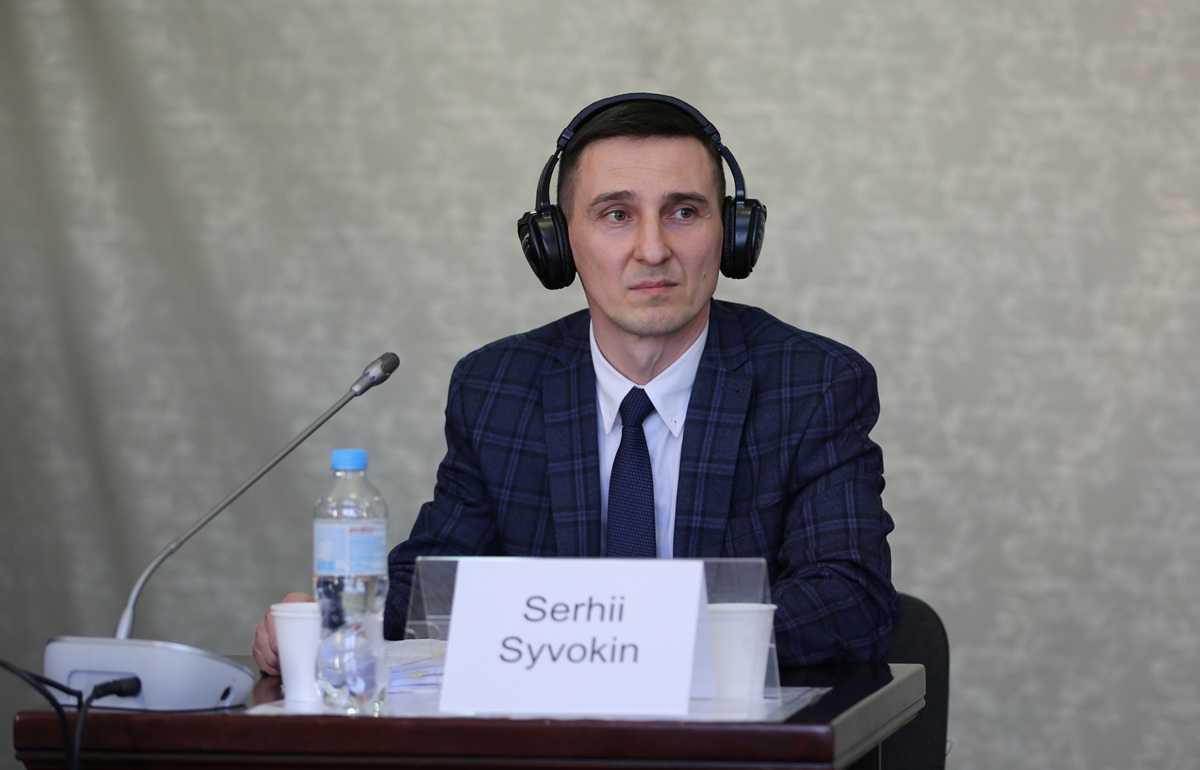
During Syvokin’s interview, many questions concerned the family’s financial situation, income sources, and certain circumstances related to family members’ income.
One of the first questions concerned whether the family’s income in 2019 was sufficient. According to declarations, Syvokin, his wife, and two children had a combined annual income of about UAH 30,000, which raised doubts for PCIE about how the family could cover basic living costs. Syvokin said it was an extremely difficult financial period. He said he left his job at a bank while awaiting appointment as a judge, but the appointment process was delayed. During that time, the family was essentially “surviving,” and his parents helped with food and small holiday gifts.
A PCIE member asked why he quit his job before his judicial appointment was secure. Syvokin said he did so in part in the interest of his colleagues: three employees worked at the bank branch and the workload and compensation were shared among them. In his view, there was not enough work for three people, so he chose to resign. Asked about the amount of savings at the end of 2018, the candidate said he could not answer precisely.
The interview also addressed Syvokin’s acquisition of a land plot. In 2016, he received a 18,795 m² plot in the village of Medvedivka by decision of a local self-government body; his brother received a plot through the same procedure. At that time, the candidate’s father was a member of the local council. A PCIE member asked whether the father participated in the vote on the decision. Syvokin said his father did not vote in situations involving a conflict of interest.
The interview also discussed how the candidate’s wife acquired an apartment. In 2025, she received an apartment as a gift from her mother. Syvokin said his mother-in-law invested in construction in 2020 and received the apartment in 2023. A PCIE member asked about the source of roughly UAH 1 million needed for the purchase. Syvokin said his in-laws had saved for many years, including through maintaining a household plot and subsistence farming. He added that he and his wife could not afford to invest in an apartment purchase, but that they carried out repairs sufficient for living there.
Special attention was also paid to the wife’s lease of office space. From 2021 to 2025 she rented a 13 m² office in Cherkasy, paying UAH 2,500–3,000 per month. Asked whether she was running a business there, Syvokin said his wife had no income-generating activity—otherwise, he said, it would have been reflected in the declarations. He described the office as more of a personal space, because the family lived in a one-room apartment with a child; he said his wife used the office for crafts and storage.
A PCIE member then showed the candidate a screenshot of a TikTok account under the name Iryna Chub (the same surname his wife had before marriage), presenting herself as a beauty specialist in Cherkasy. The screenshot appeared to show the office space and possibly his wife. The candidate was asked to comment on whether he recognized his wife or the rented office, but he could not provide a clear answer.


