




September 24, 2026 11:21
What Happens to Russian Assets After Confiscation
In more than four years, Ukraine has confiscated over 5,000 Russian assets, including real estate, vehicles, corporate rights, and funds. The proceeds from their sale are meant to benefit Ukraine.
As of July 2026, the sanctions mechanism has brought more than UAH 8.6 billion into the state budget. This money is meant to fund the restoration of destroyed infrastructure and compensation for war victims. But how does the mechanism actually work, and how effective is it?
From tracing to auction
Since the mechanism was launched, 262 assets have been sold or transferred for defense needs, 146 are being prepared for sale, and more than 3,500 are under the management of the competent authorities, including the State Property Fund of Ukraine (SPFU).
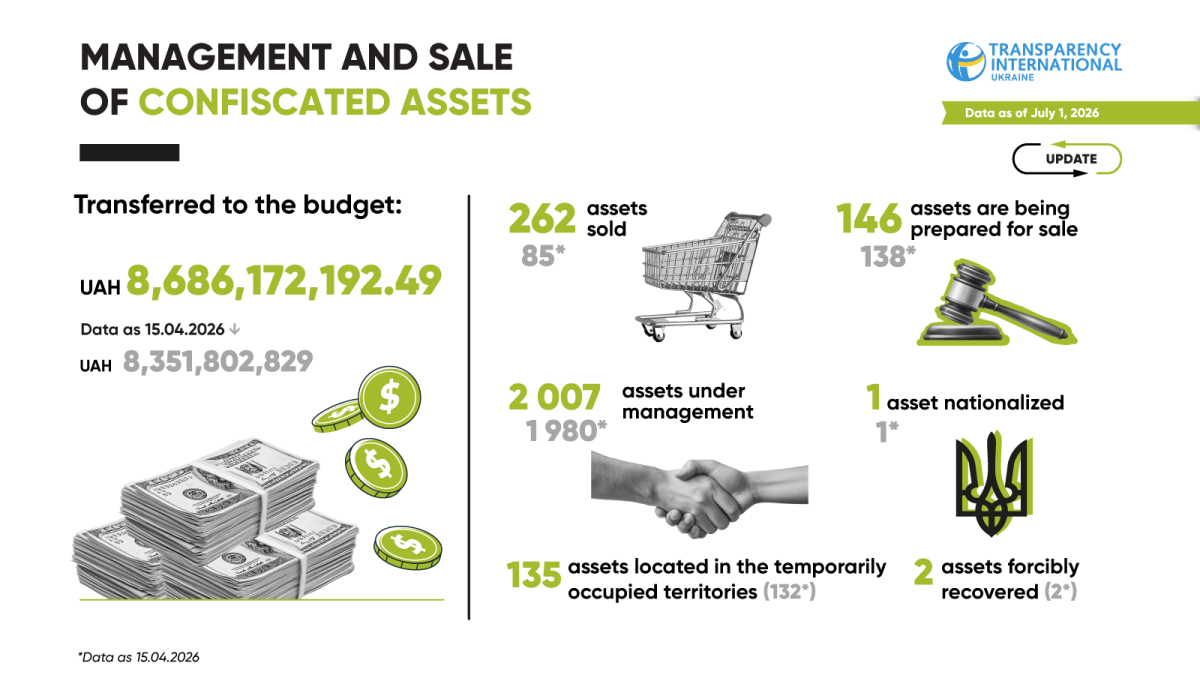
The largest share, 168 assets, was transferred for defense needs. For 75 assets, the confiscated funds and income from securities were credited to the state budget. In two more cases, claims held by Russian companies against Ukraine were confiscated. Another 17 assets were sold, including enterprises, apartments, and one non-residential property.
The five largest assets sold to date are:
- AEROC LLC: UAH 1.89 billion
- Vinnytsiapobutkhim JSC: UAH 608 million
- Pentopak PJSC: UAH 103 million
- Investagro LLC: UAH 27 million
- The apartment of propagandist Artemy Lebedev: UAH 13.5 million
Under Ukraine’s sanctions legislation, assets may be confiscated from a person only if that person poses a threat to Ukraine’s national security, sovereignty, or territorial integrity. Importantly, this applies not only to Russians but also to Ukrainian citizens who support Russia’s actions in one way or another.
Assets subject to confiscation go through a fairly complex process. First, the authorized state bodies trace and identify them. The National Security and Defense Council then freezes them, and the President enacts the sanctions decision. After that, the Ministry of Justice files a claim with the HACC. The court determines whether the person committed or supported the armed aggression and whether they actually own or control the identified property.
The asset is then transferred to the SPFU or to another body designated by the Cabinet of Ministers. The SPFU inspects the asset and decides what to do with it. It can keep the asset under its own management, sell it, or transfer it to another manager, such as a state-owned enterprise, or for defense needs. For example, this March, engines and other aircraft components belonging to the Russian aircraft manufacturer Ilyushin Aviation Complex PJSC were transferred to Ukroboronprom.
If the SPFU decides to sell an asset, preparations for an auction begin. For small-scale privatization objects, the auction commission sets the starting price. For large enterprises, the government must also approve it. The sale notice is then published on the Prozorro.Sale platform. Anyone can review it there and apply to take part within one month, or within up to three months for large assets.
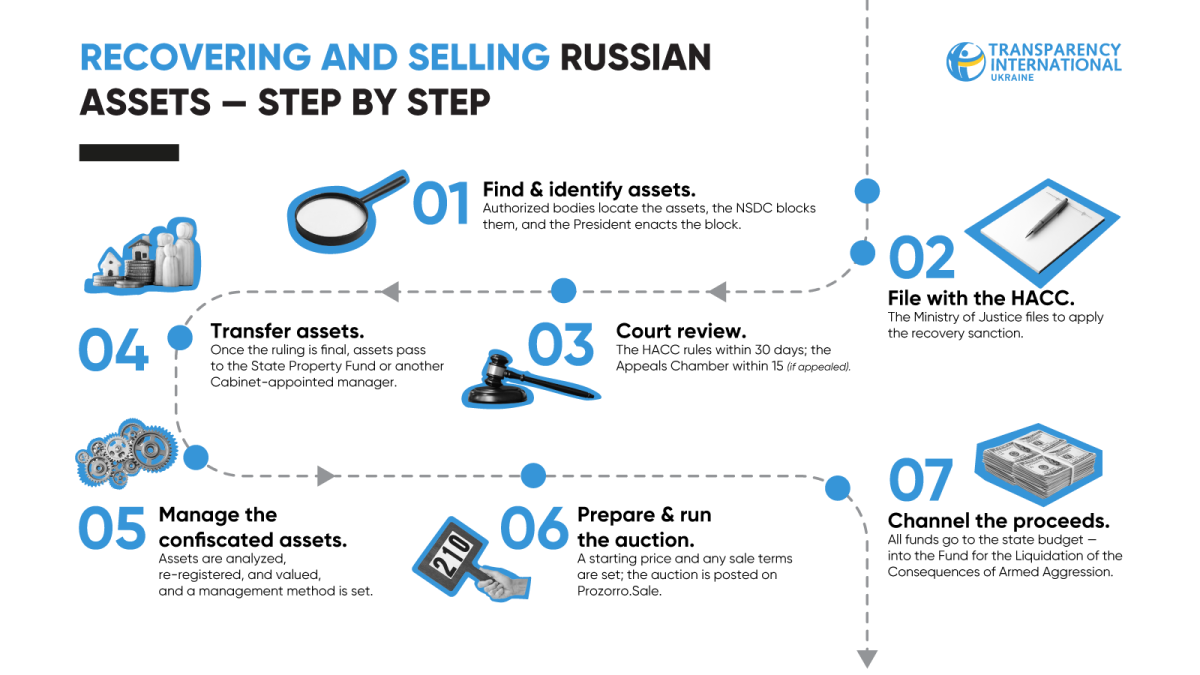
All Prozorro.Sale auctions are held openly, and the electronic system determines the winner based on the highest price offered.
Proceeds from sanctioned property are paid into the special fund of the state budget, specifically the Fund for the Elimination of the Consequences of Armed Aggression. This money does not go to the general fund. Instead, it is earmarked for:
- compensation for destroyed or damaged housing under the eRecovery program;
- restoration of utility infrastructure, including water, electricity, and heat supply, as well as wastewater services.
Why an auction rather than a direct transfer to those affected?
First, competitive bidding can significantly drive up an asset’s price. Second, channeling the proceeds into the Fund for the Elimination of the Consequences of Armed Aggression makes it possible to house several families at once. Take real estate as an example. One recent case was the sale of the two-story apartment of Russian propagandist Artemy Lebedev for UAH 13.5 million. Handing a home of almost 140 m² over to a single family would have made little economic sense.
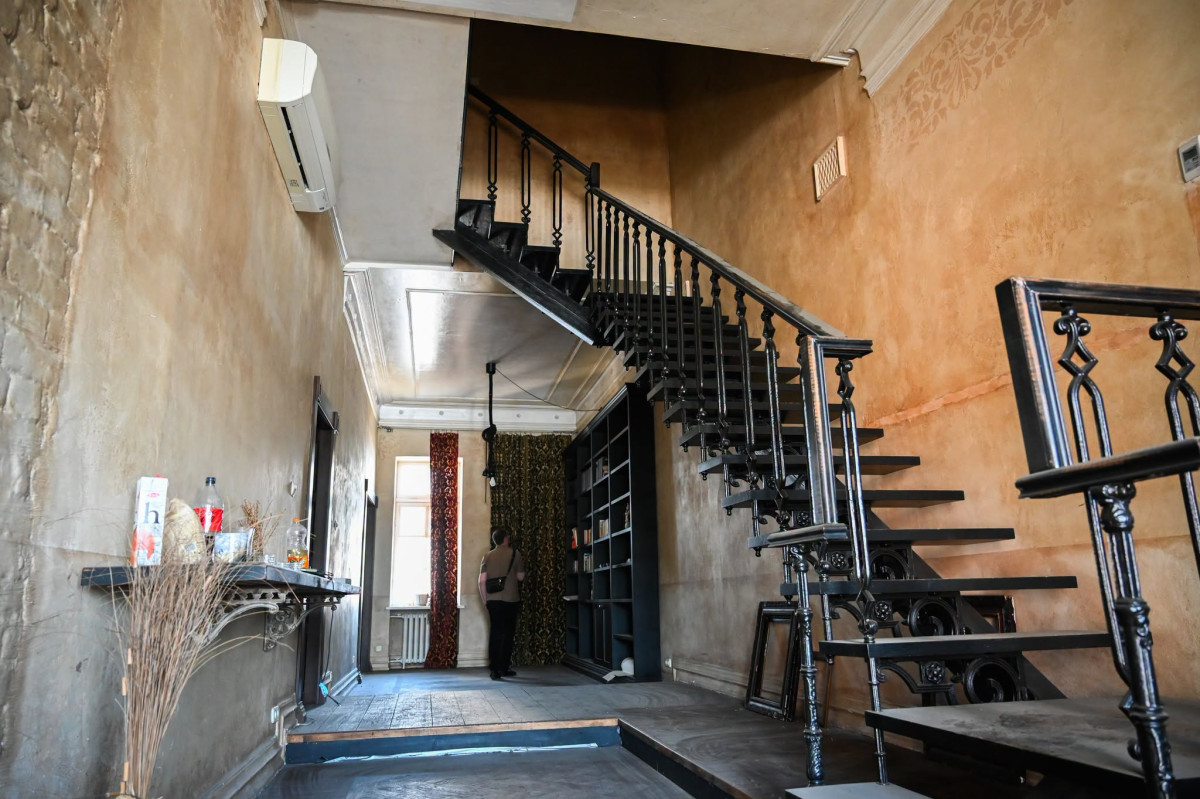
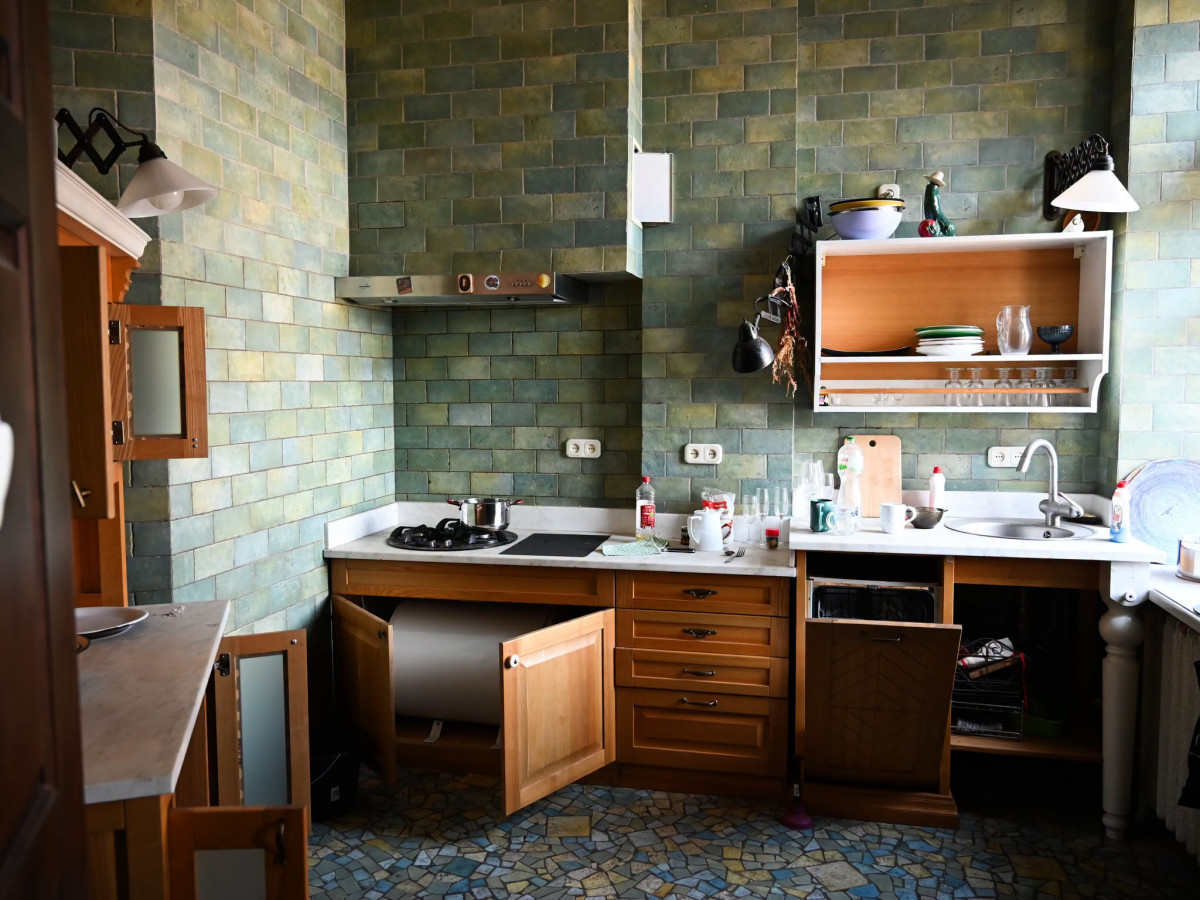
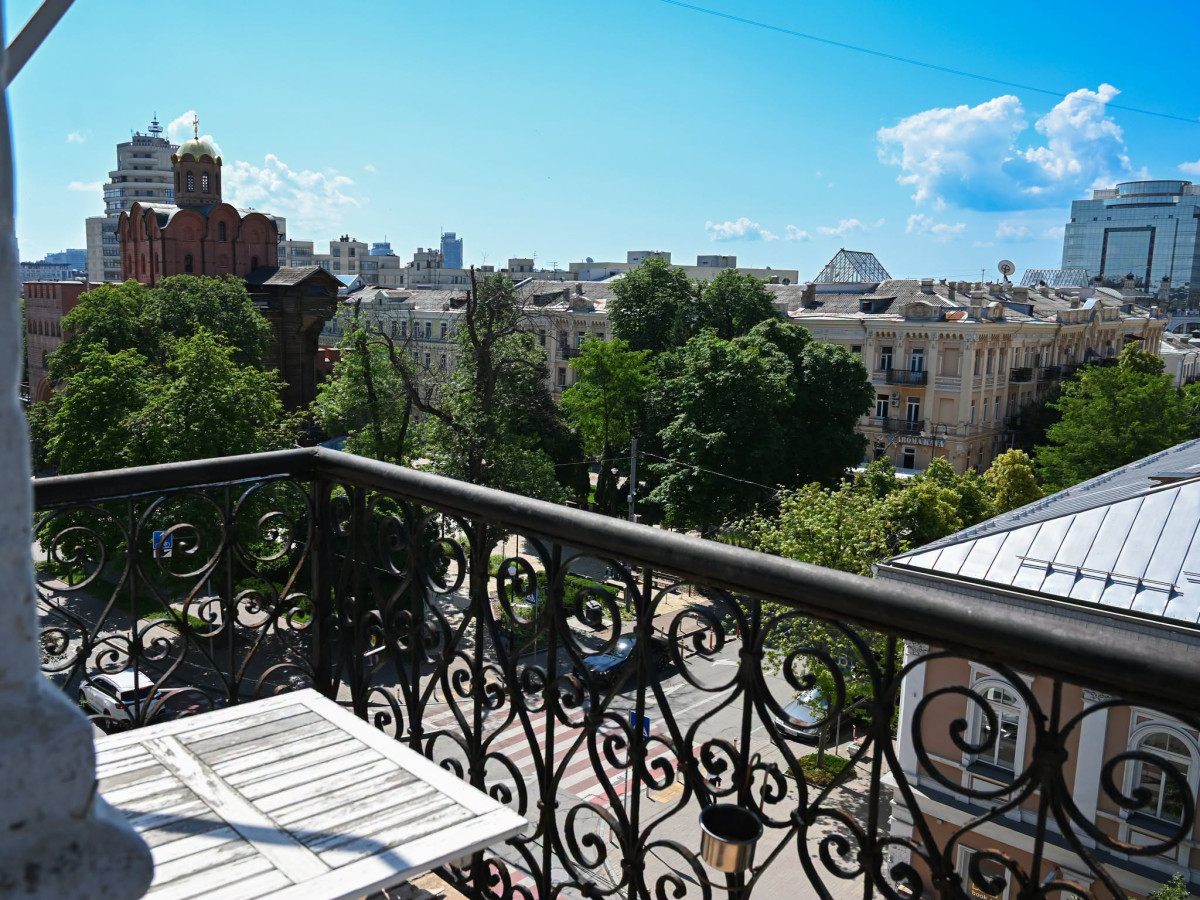
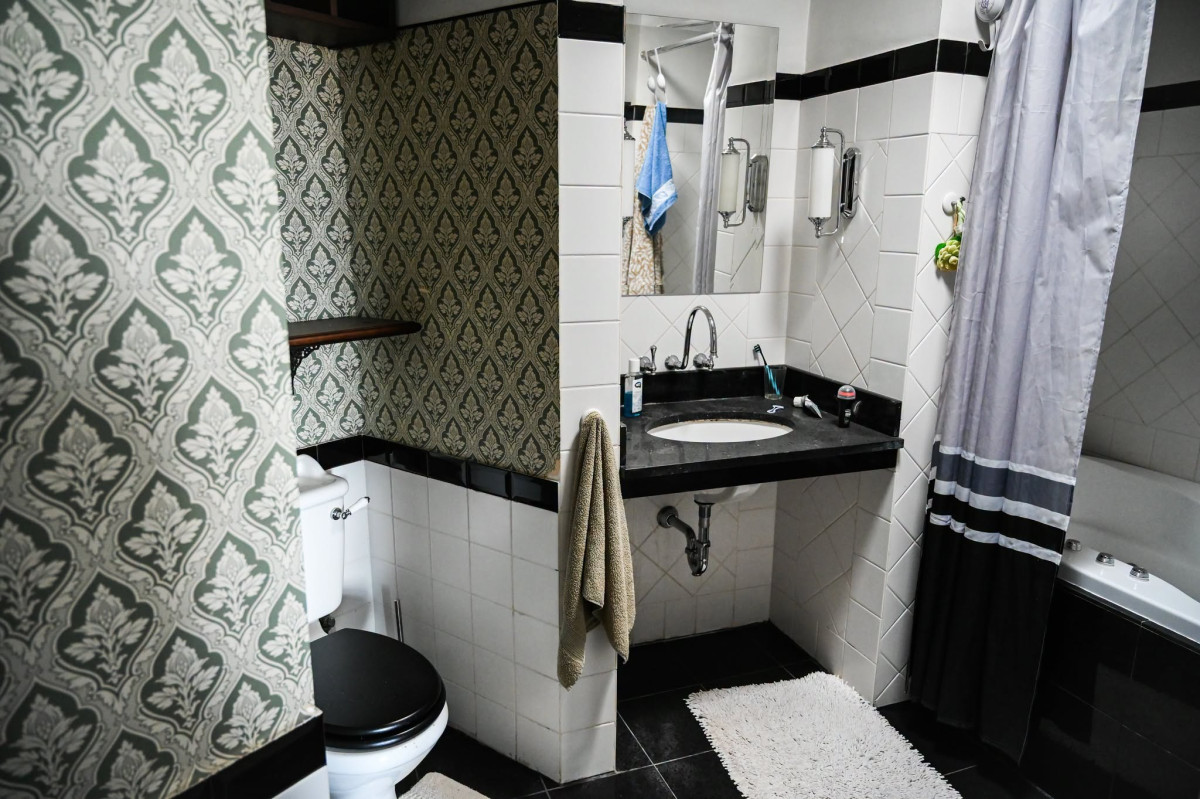
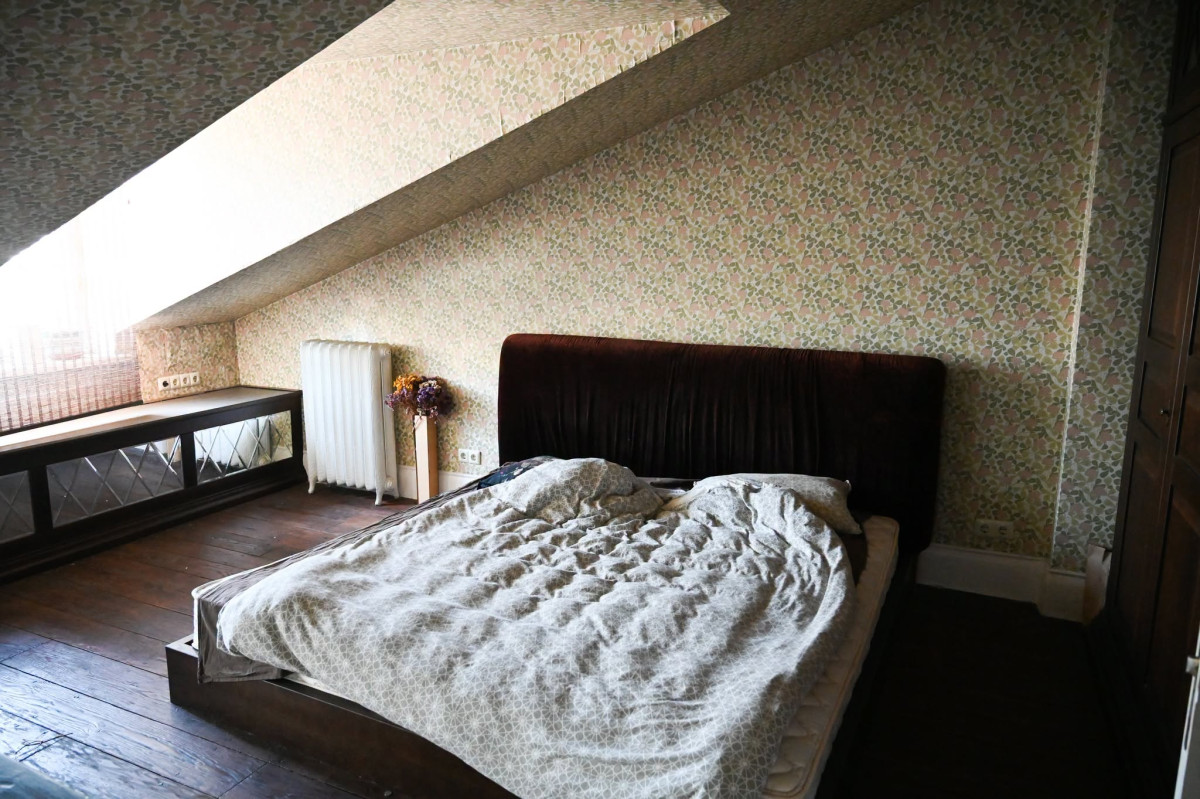
Artemy Lebedev’s apartment. Photo: State Property Fund of Ukraine
Under Ukraine's sanctions legislation, assets may be confiscated from a person only if that person poses a threat to Ukraine's national security, sovereignty, or territorial integrity. Importantly, this applies not only to Russians but also to Ukrainian citizens who support Russia's actions in one way or another.
Andrii Shvadchak
What is holding the mechanism back?
The auctions are transparent, but selling confiscated assets is still a long and painstaking process. Over the past two years, the SPFU has sold only 17 assets: six in 2024, five in 2025, and six so far this year. Moreover, problems with assets begin as soon as the court rules on confiscation.
The key obstacle to gaining control over confiscated assets is the large number of freezing orders and encumbrances. For example, while preparing just one asset for privatization, the sanctioned AEROC plant, 14 freezing orders imposed in various criminal proceedings had to be lifted. Lifting them takes considerable time. They may be reviewed by different courts, including within criminal proceedings, which holds up further preparation for sale. Freezes and encumbrances affect 70% of confiscated enterprises, or stakes in them, located in government-controlled territory.
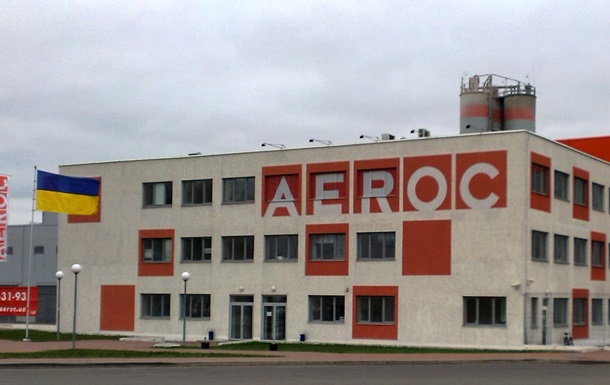
AEROC plant
One of the main problems at the assessment stage is the lack of access to information. In particular, financial records on assets are often missing after the assets are transferred. This may happen because previous owners concealed, removed, or even destroyed the records. That was the case with AEROC and with the Demurinskyi Mining and Processing Plant. Restoring the records can take up to two or three months, which further slows down the procedure.
This problem is especially acute for assets located in the temporarily occupied territories. There are currently at least 135 such assets. The exact number cannot be determined because the location of some of them is unknown. In addition, more than a third of confiscated companies, or companies in which a stake has been confiscated, are located near the front line.
Some confiscated assets also have low investment appeal, which adds to the difficulty. If an enterprise is heavily indebted, tied up in pending litigation, has virtually no assets, or is on the verge of bankruptcy, there may simply be no buyers at auction.
We previously wrote about a former agricultural enterprise of Russian titanium tycoon Mikhail Shelkov. The state managed to sell it only on the fourth attempt, after its debt burden was reduced and the encumbrances on its property were lifted. Another example is Investment Union Lybid LLC, which owns the Ocean Plaza shopping mall. After the state confiscated a stake in the company, it emerged that the company owed more than USD 200 million to a firm linked to its former owners. As a result, a separate lawsuit had to be filed to confiscate the claim under this debt.
In some cases, only the legal entity itself remains, with no other assets. According to the SPFU, about 20% of enterprises located in government-controlled territory own no property. This effectively strips such assets of any investment appeal for future sale. They include several former enterprises of Russian oligarchs Yevtushenkov, Deripaska, and Usmanov.
If the first auction for an asset fails, repeat auctions are held at a reduced starting price, as provided by law. Investors can still bid up the price in these auctions. Large or strategic assets also require separate preparation. Selling an entire enterprise or a multi-component property complex takes much longer than selling an apartment or a car.
Finally, there are legal risks. Some investors distrust the confiscation mechanism itself and fear they could later lose the property they acquire. The law provides a safeguard against this: a person who acquires an asset through an electronic privatization auction cannot be deprived of that property.
As for the sanctioned persons themselves, most of them appeal the HACC’s first-instance decisions, but the vast majority of these decisions are upheld. The exceptions are cases where the confiscated property turns out to belong to third parties unrelated to the sanctioned person. In such cases, the appellate court may partially amend the decision.
Two auctions for major sanctioned assets are scheduled for this October. One is for the Demurinskyi Mining and Processing Plant, mentioned above. The other is for Motordetal-Konotop, a manufacturer of internal combustion engine parts that belonged to Russian senator Sergei Kalashnikov. The starting prices are UAH 1.82 billion and UAH 415 million, respectively.
Both auctions will offer asset pools, meaning several related assets (corporate rights and claims) combined in a single lot. The option to pool assets was introduced in May this year. It is expected to make the assets more attractive to investors and simplify pre-sale preparation. The October auctions will therefore test the new model for selling sanctioned assets.
One of the main problems at the assessment stage is the lack of access to information. In particular, financial records on assets are often missing after the assets are transferred. This may happen because previous owners concealed, removed, or even destroyed the records.
Andrii Shvadchak
Source: zn.ua


