



October 1, 2026 10:41
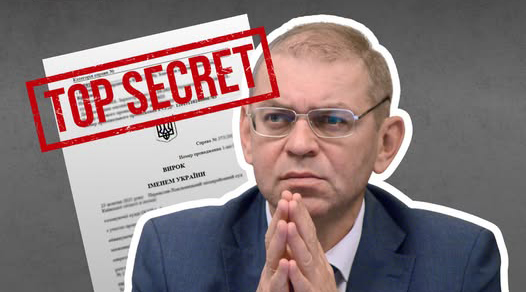
Pashynskyi Verdict Sealed in Full, Leaving the Public in the Dark
Although HACC judges can restrict access to specific information in verdicts, the judge evidently chose not to use that option in the high-profile Pashynskyi case. This is clear from the verdict’s entry in the court decisions register.
Given the outcry that SAPO’s plea agreement with Serhii Pashynskyi caused, and the public interest in the verdict, sealing it in full, instead of offering the explanation such a case calls for, only raises more questions and doubts about its appropriateness.
We at TI Ukraine have repeatedly drawn attention to the sealing of plea-agreement verdicts, including in our latest HACC monitoring report. Closing the full text of these verdicts, especially in high-profile cases, makes it impossible to assess how the court weighed the public interest when approving the deal. The public is then left to rely on the very limited communication of other bodies, and where there is none, to guess at the details or even make them up. This approach could destroy trust in plea agreements and in the work of anti-corruption bodies.
“Among other things, the full text of the Pashynskyi verdict should have made clear exactly how the terms of compensation for damages were set. Since the convicted person was charged under two articles, the verdict should have specified which offense the fine was imposed for and what penalty was set for the other, and how the court checked the length of the ban on holding office against the sentencing rules. Finally, had the verdict been made public, we could have seen exactly how this agreement differs from the one another HACC judge refused to approve in June,” says Pavlo Demchuk, Senior Legal Advisor at TI Ukraine.
Plea agreements should be used and developed in Ukrainian judicial practice, since they save time, secure compensation for damages, and yield important information needed to expose other offenses. With public trust in this approach limited, however, the institutions that conclude and approve agreements must communicate such cases properly themselves.
In recent years, the HACC has gained enough tools to provide this communication and access to information about verdicts of high public interest. We therefore once again urge judges to use the technical features of the document management system and restrict access only to sensitive parts of a verdict. Information that helps the general public assess the quality of judicial oversight should stay open.
Among other things, the full text of the Pashynskyi verdict should have made clear exactly how the terms of compensation for damages were set. And how the court checked the length of the ban on holding office against the sentencing rules. Finally, had the verdict been made public, we could have seen exactly how this agreement differs from the one another HACC judge refused to approve in June.
Pavlo Demchuk


