


October 9, 2026 17:20
Internship Program Participants Take a Study Trip to Liechtenstein and Switzerland
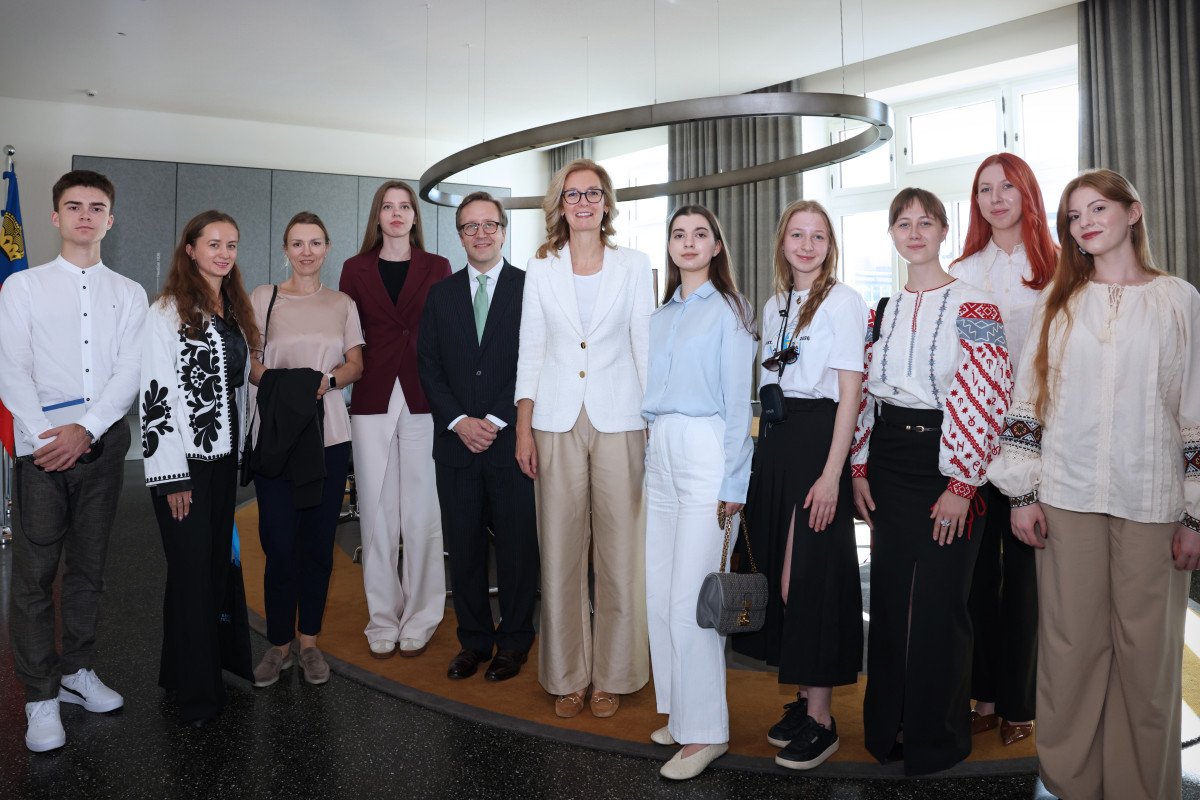
Participants in the internship program run by Transparency International Ukraine and the Basel Institute on Governance have completed a study trip to Liechtenstein and Switzerland. The trip was the final stage of the program. Its purpose was to learn how these countries counter corruption and to discuss how their experience could be applied in Ukraine.
How Liechtenstein prevents corruption
The interns learned about Liechtenstein’s political system and its model of participatory democracy, and about how the courts, the police, and government bodies counter corruption. They also discussed tools for combating money laundering, including laundering through cryptocurrencies, as well as the successes and challenges of implementing sanctions and the need to strengthen them.
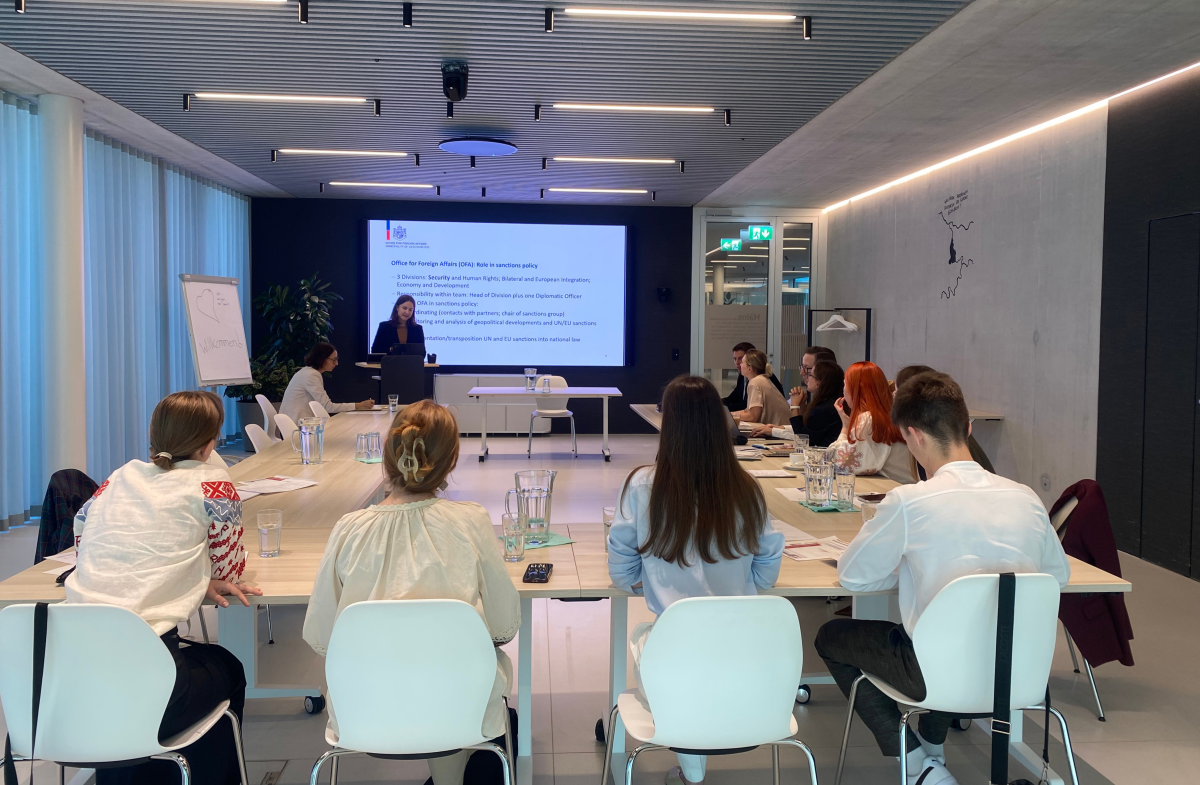
The interns learned about Liechtenstein's political system and its model of participatory democracy, and about how the courts, the police, and government bodies counter corruption.
Meeting at the Government of Liechtenstein
The participants met with Sabine Monauni, Deputy Prime Minister of Liechtenstein. She stressed that transparency, integrity, and effective corruption prevention are essential to Ukraine’s sustainable recovery, and that supporting Ukraine remains a priority for Liechtenstein.
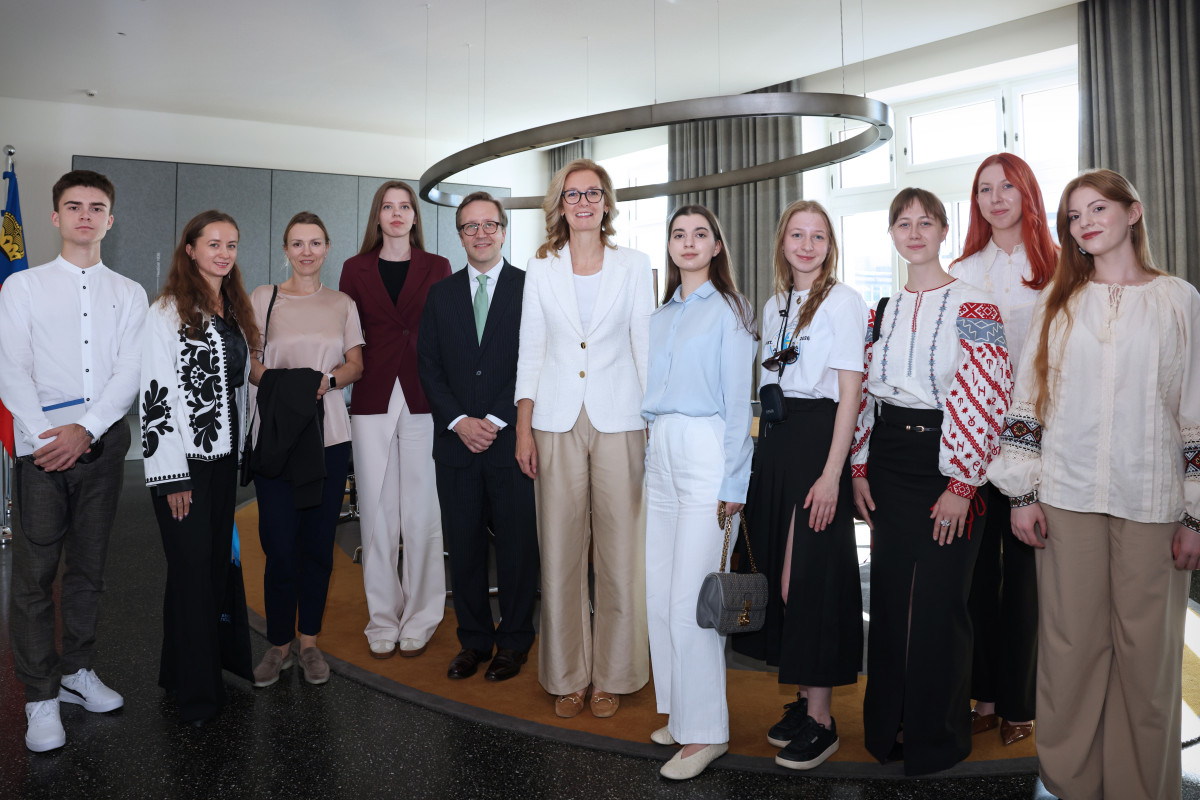
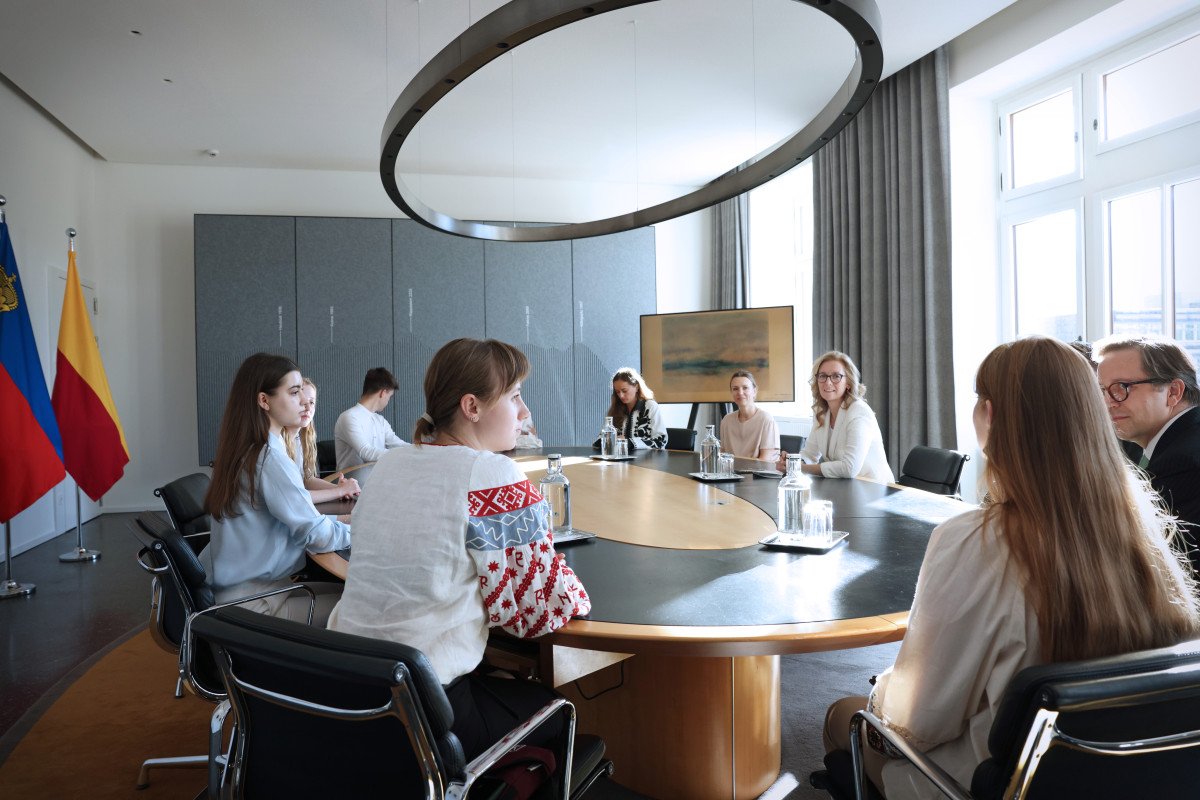 Photo:IKR/Roland Korner
“Preventing and combating corruption are key prerequisites for sustainable recovery. Corruption slows economic growth, hinders the realization of human rights, and undermines trust in state institutions. That is why we are investing in training young professionals who will go on to contribute to preventing and combating corruption in Ukraine,” said Sabine Monauni.
The meeting also covered the anti-corruption efforts in Ukraine.
Corruption slows economic growth, hinders the realization of human rights, and undermines trust in state institutions.
Sabine Monauni
Lessons from the banking sector
The second day of the visit was devoted to the banking sector, which accounts for 19.6% of Liechtenstein’s economy. Representatives of the Liechtenstein Bankers Association and experts from three of the country’s leading banks spoke about compliance systems, anti-money laundering, fraud prevention, and corruption risks. Together with the interns, they discussed the role banks play in detecting and investigating corruption offenses and how this experience could be applied in Ukraine.
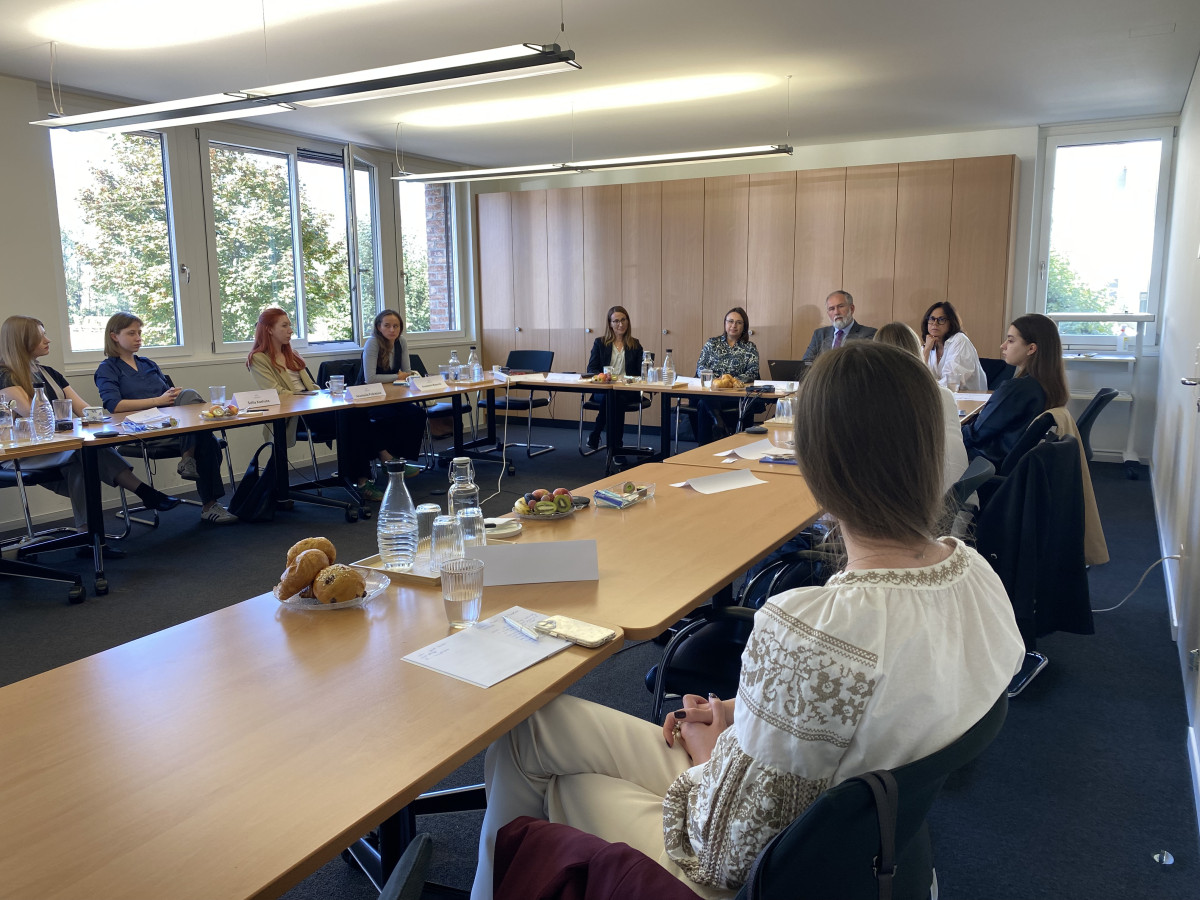
Representatives of the Liechtenstein Bankers Association and experts from three of the country's leading banks spoke about compliance systems, anti-money laundering, fraud prevention, and corruption risks.
Inside the Basel Institute on Governance
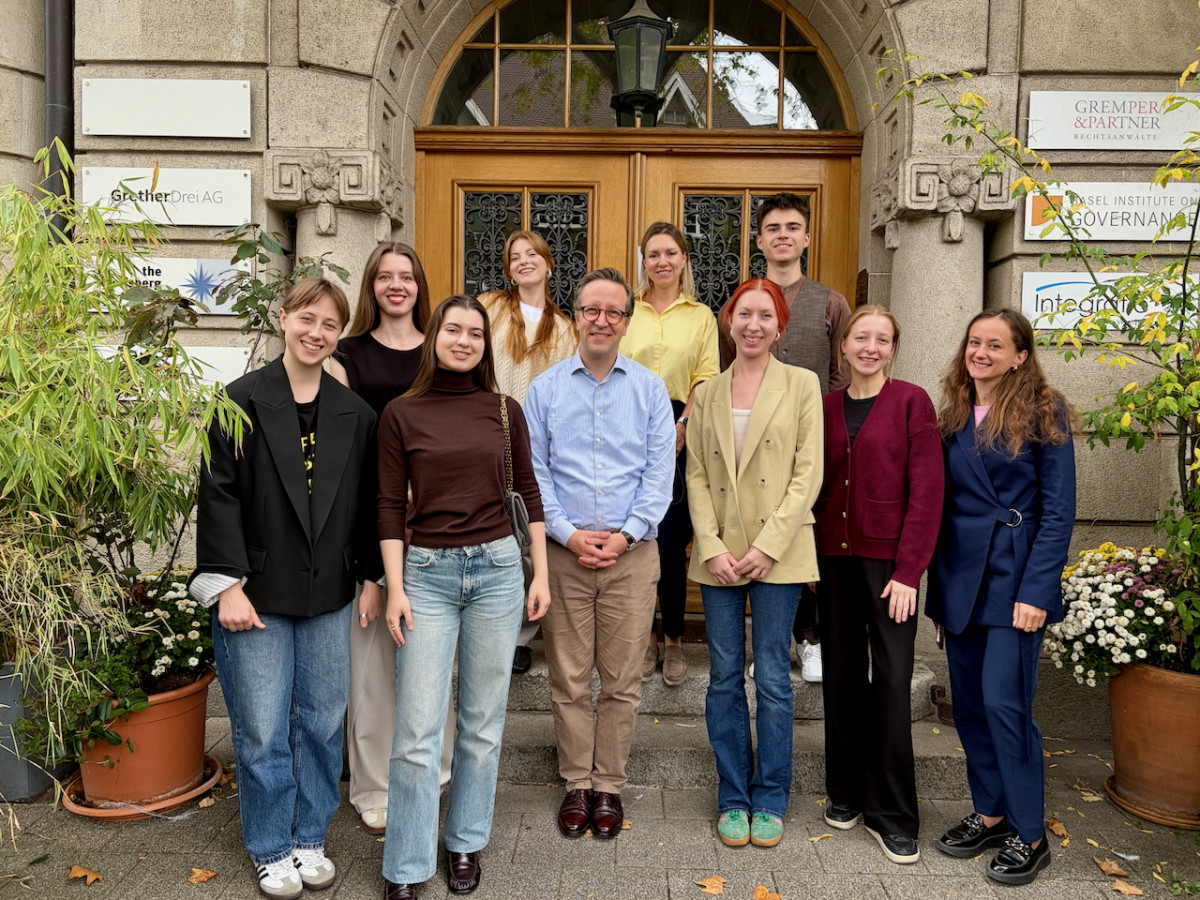
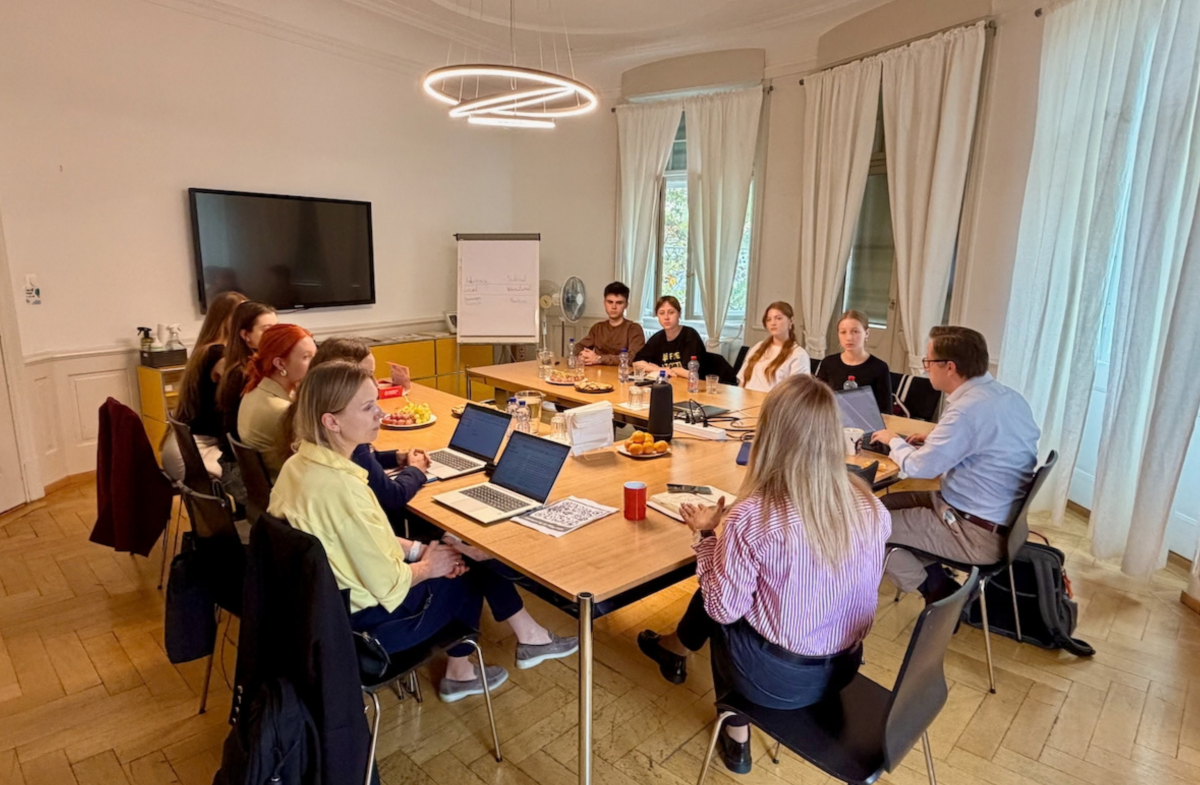
In Switzerland, the interns spent a day at the Basel Institute on Governance, getting to know the Institute’s team, its projects, and its approach to work. Discussions covered countering corruption in the private sector and in the environmental field, how research can influence behavior change, and the complexities of international advocacy and asset recovery. The group also talked about how anti-corruption organizations work internally, from communications challenges to the specifics of project management.
“Reconstruction and EU accession will require not only reforms but also professionals capable of implementing them. That is why our internship program helps young professionals enter the anti-corruption field with practical knowledge and skills they can apply in their work.
The study trip to Liechtenstein and Switzerland gave the interns a chance to see Ukraine through the eyes of international partners, gain a better understanding of how complex our challenges are, and see just how varied the tools of anti-corruption work can be. They learned how the state, business, and the expert community work together to counter corruption, and they will now be able to draw on this experience in their work in Ukraine,” Anastasiia Mazurok, Deputy Executive Director at Transparency International Ukraine, said, summing up the visit.
Reconstruction and EU accession will require not only reforms but also professionals capable of implementing them. That is why our internship program helps young professionals enter the anti-corruption field with practical knowledge and skills they can apply in their work.
Anastasiia Mazurok


