



May 8, 2026 17:25
The Mindich Tapes: Did SAPO’s Former Deputy Head Have Unauthorized Access to the Case?
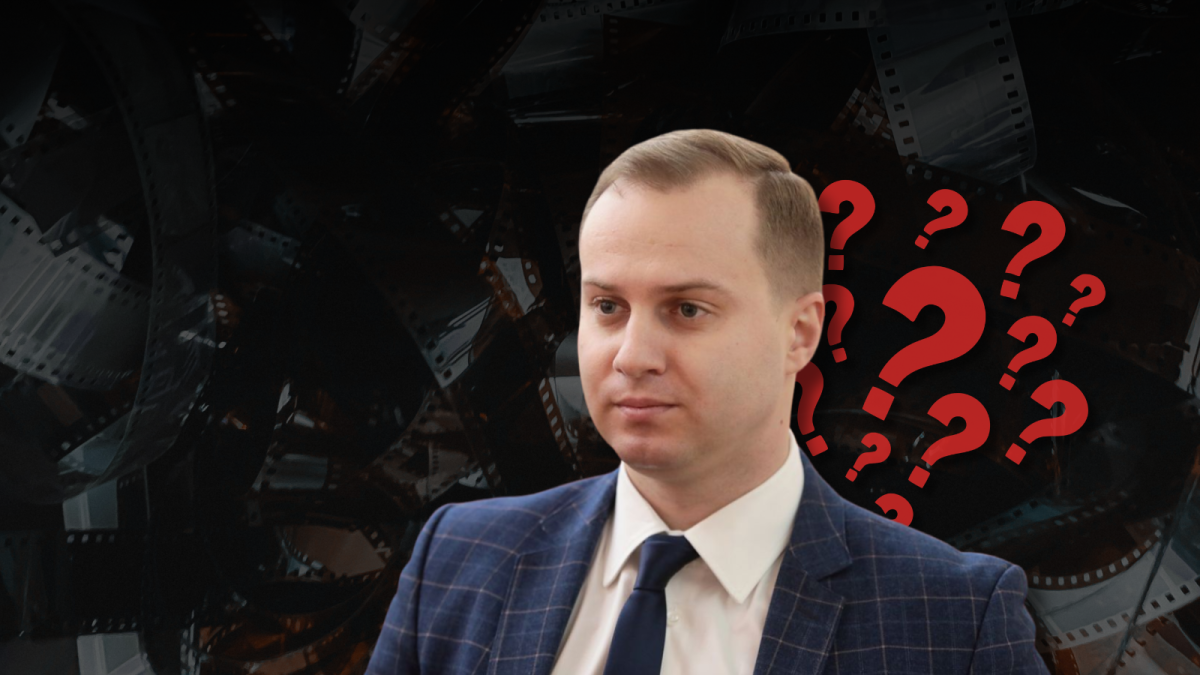
Ukrainska Pravda has published the third installment of the so-called “Mindich tapes.” Two of its segments concern Andrii Syniuk directly — at the time, Deputy Head of the Specialized Anti-Corruption Prosecutor’s Office. These details add new dimensions to the story of how this case has been investigated.
First, the suspects refer to Syniuk as a “good contact” inside the SAPO.
In a conversation between Myroniuk and Basov on September 25, 2025, Syniuk is described as a source ready to “help and tip them off.” The context suggests they are referring to “old friendly ties” with someone called “Oleh,” and they agree that this resource should be saved “for a rainy day” — kept for exceptional situations, not spent on routine matters. The conversation does not make clear which “Oleh” is meant, but journalist Mykhailo Tkach points to the portfolio of Oleh Tatarov, who oversees the law enforcement system within the Office of the President. Investigators should look into this further.
Second, Syniuk’s activity in the internal pre-trial investigation system on October 16, 2025 is on the record.
According to case files obtained by UP, Syniuk, who was not part of the group of prosecutors handling the relevant criminal proceedings, used his personal access credentials to look up participants in certain cases. The names he checked include Tsukerman, Halushchenko, Hrynchuk, and Jakob Hartmut, as well as Myroniuk and Basov themselves — the same two who, three weeks earlier, had discussed Syniuk as a useful contact at SAPO. According to the published data, the former SAPO Deputy Head ran this check a month before Operation Midas was publicly announced.
Third, the circumstances of the suspects’ departure on the eve of the searches come into focus from a different angle.
On October 26, ten days after Syniuk reviewed the data on case participants, Tsukerman’s assistant, on his boss’s instruction, arranged an urgent trip for him via Palanka to Vienna. The main suspect in the case, Timur Mindich, crossed the border at 2 a.m. — four hours before investigators arrived at his home with a search warrant. Both suspects have stated in their comments that the trips had been planned in advance.
Andrii Syniuk himself, in a November 2025 comment to UP, denied any involvement in leaking information, stating that he was unaware of these cases, did not take part in the relevant meetings, and never examined any materials. The information published by UP casts doubt on those statements.
The official position taken by SAPO Head Oleksandr Klymenko on November 25, 2025 warrants a separate note. He publicly confirmed that during Operation Midas there had been at least two stages of information leaks, with criminal proceedings opened in each instance, but that SAPO did not pursue active investigative steps so as not to compromise the main operation.
However, Klymenko stated that SAPO sees no link between the people filmed meeting with Syniuk and the Midas case, suggesting they may be connected to a different investigation. This position should be weighed against what UP’s published materials already contain. After all, the record of Syniuk reviewing the participants in the Midas proceedings is itself criminal case material — not journalistic observation of meetings, which is what Klymenko’s response relied on.
According to case files obtained by UP, Syniuk, who was not part of the group of prosecutors handling the relevant criminal proceedings, used his personal access credentials to look up participants in certain cases.
Pavlo Demchuk
What do these new details from the Mindich tapes mean?
Andrii Syniuk resigned from the SAPO at his own request back in November last year, right after NABU released the first “Mindich tapes.” As a result, the question of his disciplinary liability as a prosecutor is off the table — a person who has been dismissed cannot be held to disciplinary account within the prosecutorial system.
This resignation, however, in no way closes the question of a criminal-law assessment of Syniuk’s actions. The published materials raise a fundamental question: did Andrii Syniuk disclose pre-trial investigation data he could access by virtue of his position as Deputy Head of the SAPO?
The Criminal Code provides for liability for precisely such conduct. Article 387 specifically addresses cases in which a prosecutor discloses such data, regardless of whether they were directly involved in specific pre-trial investigation.
We understand why, for tactical reasons and to safeguard the main operation, the SAPO chose not to actively investigate the criminal proceedings opened over the leaks. But following the May 8 journalistic disclosures concerning Operation Midas, we — now as outside observers — see substantial grounds for a criminal-law assessment of Andrii Syniuk’s actions.
We therefore expect the NABU and the SAPO, in the course of the criminal proceedings, to establish whether Andrii Syniuk did in fact pass case information to the suspects — including data he obtained through the anti-corruption agencies’ internal systems. Given the public interest, we also expect those findings to be made public as soon as doing so no longer risks the investigation.
The published materials raise a fundamental question: did Andrii Syniuk disclose pre-trial investigation data he could access by virtue of his position as Deputy Head of the SAPO?
Pavlo Demchuk
Source: www.pravda.com.ua


